NEW DELHI: India’s economy grew at its fastest pace in one-and-half years in the final three months of 2023, led by strong manufacturing and construction activity and bolstering Prime Minister Narendra Modi’s economic record just months before a national election.
Asia’s third largest economy grew 8.4 percent in the October-December quarter, much faster than the 6.6 percent estimated by economists polled by Reuters and higher than the 7.6 percent recorded in the previous three months.
“The ongoing growth momentum is indicative of the Indian economy’s resilience, notwithstanding global headwinds,” said Sunil Kumar Sinha, economist at India Ratings, noting that industrial growth continued its good run in the quarter.
India has consistently beat market expectations and is ranked as one of the fastest-growing economies in the world, with China struggling to recover after the pandemic and the euro zone narrowly escaping a recession.
India revised its growth estimate for the current fiscal year to March 31 to 7.6 percent from 7.3 percent.
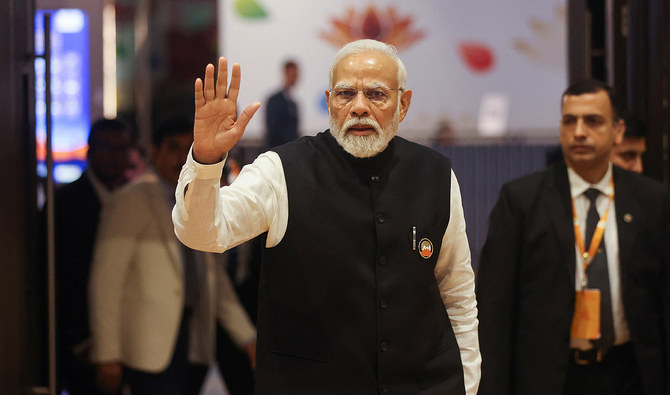
Such a strong showing in the last major economic data release before elections due by May could bolster Modi’s chances after he made high economic growth one of his main platforms at rallies across the country.
The December growth “shows the strength of Indian economy and its potential,” Modi said in a social media post.
Modi has sharply raised government spending on infrastructure and offered incentives to boost manufacturing of phones, electronics, drones and semiconductors to help India compete with likes of Vietnam and Thailand.
The manufacturing sector, which for the past decade has accounted for 17 percent of Asia’s third-largest economy, expanded 11.6 percent year-on-year in the December quarter, while investment growth was above 10 percent for the second consecutive quarter, and the construction sector grew by more than 9 percent.
“Manufacturing sector growth was supported by lower input costs,” said Rajani Sinha, Economist at CareEdge
Private consumption, accounting for 60 percent of gross domestic product (GDP), recovered slightly in the quarter, with a 3.5 percent year-on-year rise, compared with 2.4 percent in the previous three months.
Government spending contracted 3.2 percent year-on-year, compared with 1.4 percent growth in the previous quarter.
RURAL WEAKNESS
The farm sector, which accounts for about 15 percent of the $3.7 trillion economy, continued to struggle due to unfavorable monsoon rains. It contracted 0.8 percent in the December quarter, compared with 1.6 percent growth in the September quarter.
Slowing rural growth dragged down farm incomes and some farmers have hit the streets
demanding higher procurement prices.
Rural weakness has led to slower growth for major retail companies like Hindustan Unilever and Britannia Industries.
The pace of growth in real rural wages was around 1 percent in 2023 after contracting nearly 3 percent in the previous two years, according to ICRA, while average salaries in urban areas have been going up by nearly 10 percent a year.
However, policymakers remain optimistic about rural recovery.
“With the anticipated better value addition in the farm sector next financial year, rural demand growth and rural income growth will be even better and more evident in FY25,” country’s Chief Economic Adviser V Anantha Nageswaran said.


![]()

India’s economy grows at its fastest pace in six quarters in election boost for Modi
Short Url
https://arab.news/w3ykf
India’s economy grows at its fastest pace in six quarters in election boost for Modi
- India’s economy grew 8.4% in the October-December quarter, much faster than 6.6% estimate
- India has beaten market expectations, is ranked as one of fastest-growing economies in the world
Latest updates





© 2026 SAUDI RESEARCH & PUBLISHING COMPANY, All Rights Reserved And subject to Terms of Use Agreement.