



RIYADH: Saudi Arabia is seeing a growing interest in credit ratings, mainly driven by expanding global investments, regulatory reforms, and economic diversification, according to Moody’s.
Jihad Al-Toukhi, senior vice president and relationship manager at Moody’s Saudi Arabia, affirmed in an interview with Arab News that the firm has “indeed observed a growing interest in credit ratings” in the Kingdom.
Al-Toukhi pointed out that this heightened interest can be attributed to various factors.
“Firstly, the ongoing financial market development, as part of Saudi Arabia’s Vision 2030 plans, has boosted the demand for credit ratings. These ratings provide an independent assessment of credit risk, which is crucial for facilitating investment decisions, including foreign direct investment,” he said.
Moreover, as Saudi companies aim to expand their presence globally, their reliance on financing through debt capital markets has grown. Consequently, credit ratings have become indispensable in providing unbiased assessments of risk, vital for potential international investors or lenders, according to the official.
Al-Toukhi went on to explain: “Regulatory bodies in Saudi Arabia are increasingly requiring credit ratings for certain types of financial transactions to enhance transparency and understanding of credit risk. This regulatory change has, in turn, increased the demand for credit rating services.”
Furthermore, with the Kingdom’s shift away from oil-dependency, new sectors and businesses are emerging, all of which require credit ratings to secure funding and entice investors. Al-Toukhi emphasized Moody’s role, describing it as being “instrumental in cultivating a credit rating culture in the region.”
He added: “Our role is to provide independent, objective opinions and analysis of credit risk, which are essential for the financial market development, international investments, regulatory compliance, and economic diversification efforts currently underway in Saudi Arabia.”
Discussing industries that have seen significant developments in terms of credit ratings, Al-Toukhi noted: “We have observed a substantial interest from the insurance sector and large corporates in obtaining credit ratings.”
Acknowledging the importance of Islamic finance in the local economy, Al-Toukhi remarked: “Islamic finance is indeed a significant component of the Saudi financial system, and Saudi Arabia is recognized as the world’s largest Islamic finance market.”

Jihad Al-Toukhi, senior vice president relationship manager at Moody’s Saudi Arabia. (Supplied)
“Our approach to assessing Islamic financial instruments is thorough and meticulous. Our expert analysts provide valuable ratings for Sukuk issuances based on thorough analysis,” he stated.
Looking ahead to 2024, the expert anticipated a “continued expansion and development of this segment in KSA and the region.”
Al-Toukhi anticipated that the increased role of government-related institutions and the private sector in Saudi Arabia’s financial environment is expected to have a “transformative impact.”
He further explained: “Firstly, it demonstrates a diversification of the Saudi economy, which has traditionally been heavily reliant on oil revenues. Secondly, the involvement of government-related institutions can provide a level of stability and confidence in the market.”
Al-Toukhi pointed out that the increased participation of the private sector can lead to increased competition, which can result in better pricing and more efficient allocation of resources.
“Lastly, the increased activity in the debt capital market can lead to greater liquidity, making it easier for both companies and investors to buy and sell securities,” Al-Toukhi concluded, highlighting the potential benefits of increased activity in the debt capital market.
Speaking of Moody’s plans, the senior vice president shared that a number of strategic initiatives are in place to further enhance presence and influence in the Kingdom’s financial markets. “One of our key strategic initiatives is to increase our educational endeavors,” he explained.
“In addition to our educational initiatives, Moody’s also plans to leverage technology to improve our services and operations,” Al-Toukhi added.
Moody’s believes that several factors will play a crucial role in shaping the credit landscape in the coming years.
“Saudi Arabia is becoming more transparent in its financial dealings, thanks to the efforts of regulators to improve and stimulate the debt markets,” Al-Toukhi explained, highlighting the efforts to improve transparency in financial dealings.
He emphasized the growth of the firm’s local footprint since the inception of its office, saying: “Since opening the Moody’s office in Saudi Arabia in 2018, we have had tremendous success in expanding our local presence and coverage. We now have 39 entity ratings in the Kingdom and rate $200 billion of debt.”
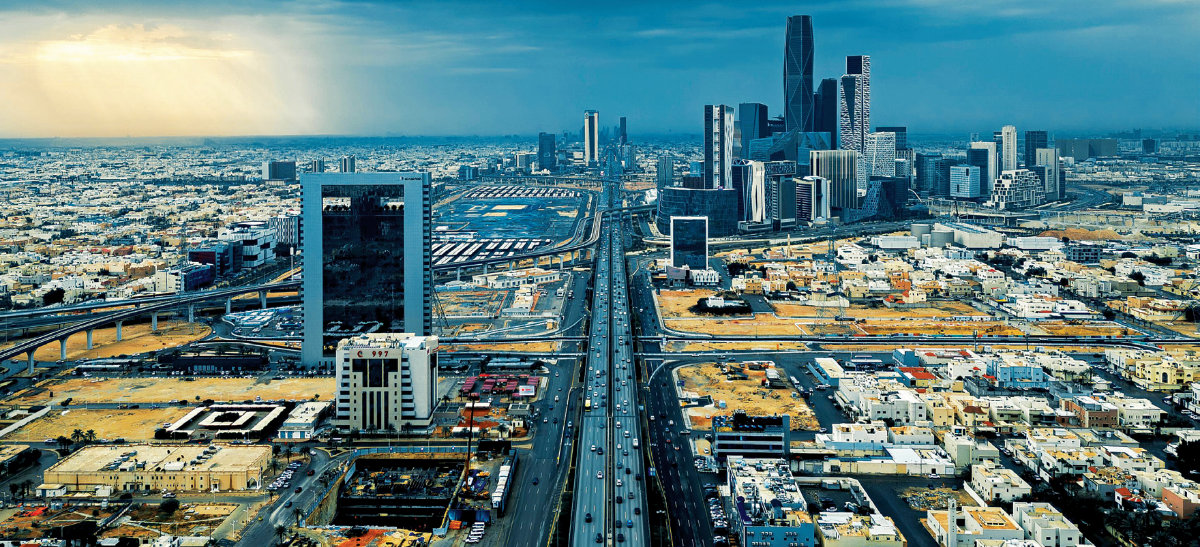
Moody’s activities in the Kingdom have positioned the organization as a key player in the financial markets, and specifically in the debt capital market, supporting the country’s economic transformation and growth. (AN file photo)
The thriving financial landscape in Saudi Arabia is boosting investor confidence and market maturity, Al-Toukhi affirmed, saying: “Being on-ground in Saudi Arabia has allowed Moody’s to better cater to the specific needs of the local market. This has helped in building stronger relationships with clients and stakeholders within the country.”
Al-Toukhi said that Moody’s has contributed to enhancing financial literacy and the understanding of credit ratings among investors, businesses, and the general public in Saudi Arabia through various publications, forums, and conferences.
He stated: “We are also actively engaging with local regulatory bodies ensuring we stay up to date with the evolving regulatory landscape in the Saudi financial markets, which we are happy to do.”
Moody’s activities in the Kingdom have positioned the organization as a key player in the financial markets, and specifically in the debt capital market, supporting the country’s economic transformation and growth, according to the top official.
Discussing the extensive ratings coverage in Saudi Arabia, Al-Toukhi underscored the agency’s comprehensive analysis, covering 100 percent of all Islamic and conventional banks and major corporations like Saudi oil giant Aramco and petrochemicals manufacturer Sabic.
“In fact, we have the highest coverage in Saudi Arabia across both corporate finance and financial institutions. This broad and deep coverage enables our analysts to provide a more comprehensive and accurate analysis of the creditworthiness of entities,” he remarked, emphasizing the breadth and depth of Moody’s coverage in the Kingdom.
As the Saudi economy diversifies away from oil, the firm anticipates growth in sectors like technology, renewable energy, and tourism.
“One significant development we are observing is the growing awareness and integration of Environmental, Social, and Governance factors into investment decisions,” said Al-Toukhi.
According to the official, Moody’s has been offering Second-Party Opinions on the environmental credentials of financial instruments such as green, social, and sustainability bonds.
“Overall, we believe these factors will play a significant role in shaping the credit landscape in Saudi Arabia in the coming years,” Al-Toukhi said, expressing optimism about the future of the credit landscape in the Kingdom.


