

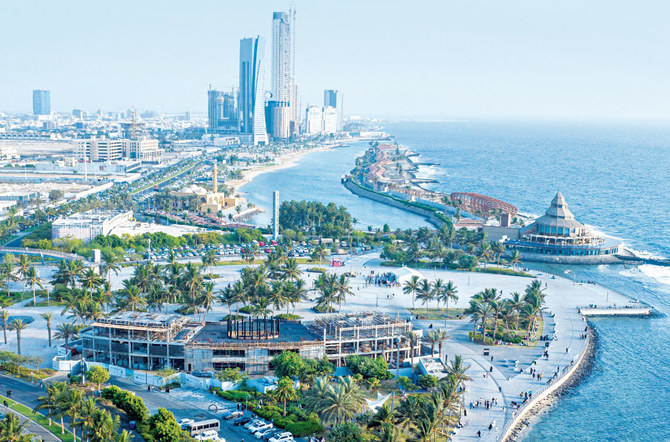

RIYADH: In November 2023 the Gulf Cooperation Council approved a landmark unified tourist visa set to launch between 2024 and 2025.
Similar to the Schengen scheme, the permit will enable tourists to travel across all six GCC member states: Oman, Bahrain, Kuwait, Qatar, Saudi Arabia and the UAE.
The new visa was announced by Jassim Mohammed Al-Budaiwi, GCC secretary-general, on Nov. 9, during the 40th meeting of the organization’s interior ministers in Muscat, Oman.
HIGHLIGHT
The Unified Gulf Tourist Visa is expected to further open doors to travelers and entrepreneurs eager to visit the rapidly changing and developing Gulf region, by granting them access to the six countries under a unified, single tourist visa.
Al-Budaiwi described the new Unified Gulf Tourist Visa initiative as testament to the close cooperation between all GCC leaders.
“The unified Gulf tourist visa is a project that will contribute to facilitating and streamlining the movement of residents and tourists between the six GCC countries and will, undoubtedly, have a positive impact on the economic and tourist sectors,” he said in a statement.
The GCC is already a destination for world travel and business. The new visa is expected to attract foreign tourists as well as boost trade between the countries.
It is expected to further open doors to travelers and entrepreneurs eager to visit the rapidly changing and developing Gulf region, by granting them access to the six countries under a unified, single tourist visa.
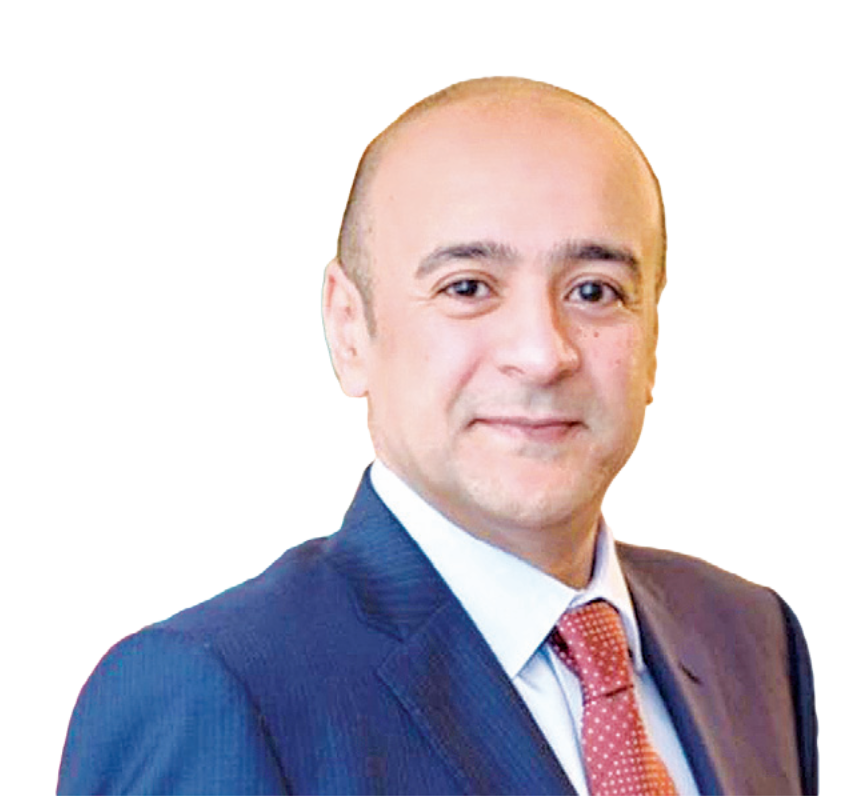
GCC Secretary-General Jassim Mohammed Al-Budaiwi. (Supplied)
A pivotal facet of the new initiative is its ability to further enhance economic synergy between the six Gulf states.
“The upcoming GCC unified visa, announced by the GCC Supreme Council, is a major success for Saudi and the GCC region at large, and marks a crucial moment for tourism in Saudi,” the Kingdom’s Tourism Authority Spokesperson and Corporate Communications Director Abdullah Al-Dakhil told Arab News.
“It will enhance sector collaboration and make the region more accessible for visitors seeking to explore the wonders of Saudi – the authentic home of Arabia – and the GCC countries,” he added.
Saudi Arabia, under Vision 2030, is rapidly expanding its tourism industry, with major new developments throughout the Kingdom as well as new hotels, resorts and travel destinations that are well underway before the end of the decade.
“Saudi is booming, with the Saudi Central Bank recently announcing that visitor spending exceeded SR100 billion ($26.66 billion) in the first three quarters of 2023 and UNWTO recognizing the Kingdom as the world’s second-fastest-growing tourist destination,” added Al-Dakhil.
“We hope the GCC visa will further enhance this and help Saudi reach its target of tourism contributing towards 10 percent of GDP by 2030, and the growth of the whole region.”
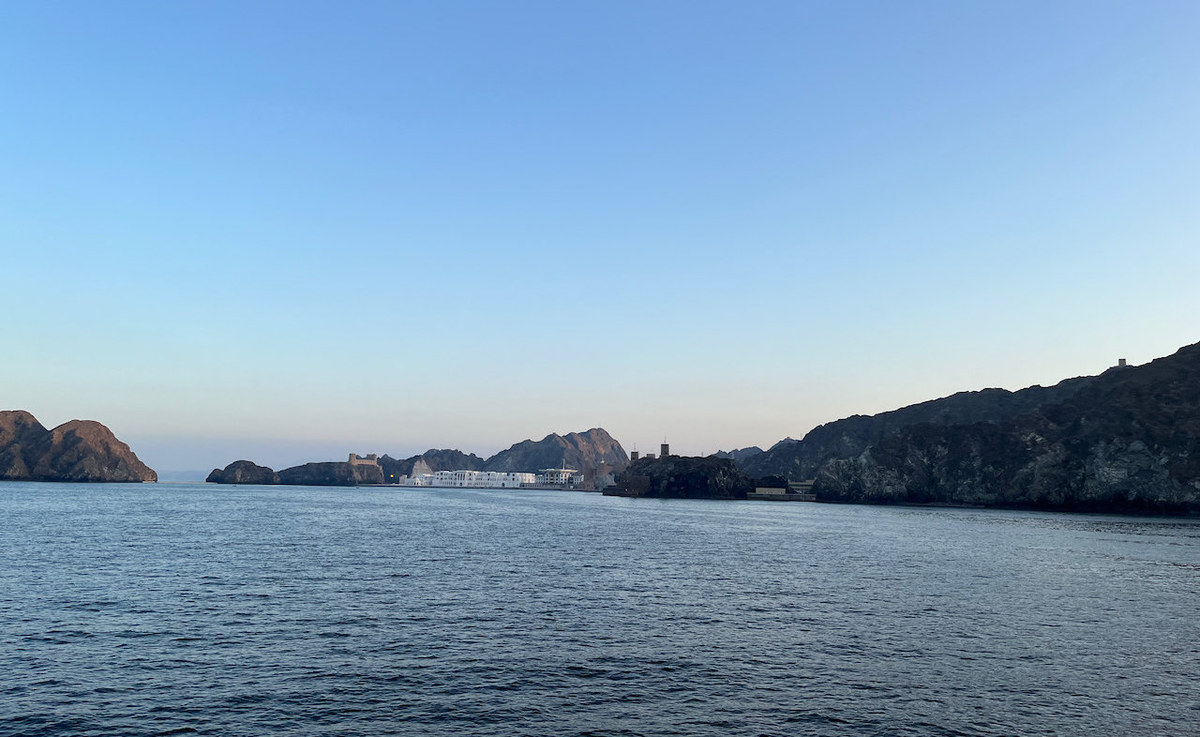
A view of the picturesque coastal city of Muscat, Oman, a member of the Gulf Cooperation Council nations to be covered by the planned unified Gulf tourism visa. (AN Photo)
According to a report published by the World Bank at the end of November 2023 titled “Economic Diversification Efforts Paying off in GCC Region but More Reforms Needed” the GCC region is estimated to have grown by 1 percent in 2023 before picking up again to 3.6 percent and 3.7 percent in 2024 and 2025, respectively.
“To maintain this positive trajectory, GCC countries must continue to exercise prudent macroeconomic management, stay committed to structural reforms, and focus on increasing non-oil exports” said Safaa El Tayeb El-Kogali, World Bank country director for the GCC in a statement.
“However, it is important to acknowledge the downside risks that persist. The current conflict in the Middle East poses significant risks to the region and the GCC outlook, especially if it extends or involves other regional players. As a result, global oil markets are already witnessing higher volatility,” she added.
The new unified visa contributes to the need to increase non-oil exports and economic activity.
The Saudi economy is likely to grow by around 1.5 percent in 2024 with the non-oil sector expanding by 3 percent to 4 percent, according to data published by the Saudi statistical authority and projections made by Tim Callen, a visiting fellow at the Arab Gulf States Institute in Washington.
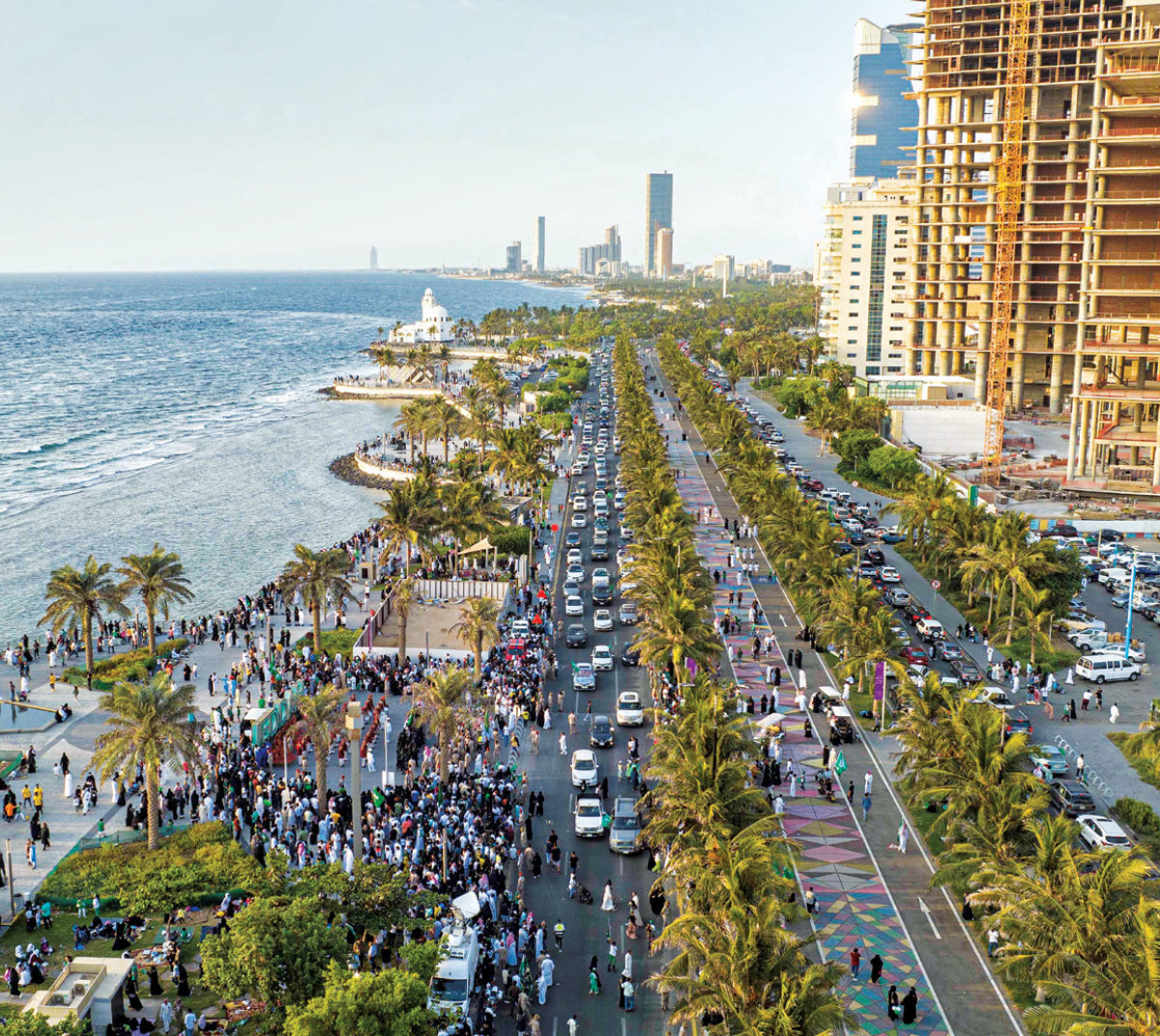
A view of the Jeddah Corniche, a favorite promenade of residents and visitors alike. (SPA/File photo)
Callen noted that the non-oil economy is likely to have grown by a healthy 4 percent, driven by private consumption, with households throughout the Kingdom taking advantage of new spending opportunities in the growing sectors of tourism and entertainment.
The growth of the non-oil economy, a major aim of Vision 2030, has led to significant job creation leading to a drop in the Saudi unemployment rate from 8.6 percent in the third quarter of 2023 from 9.9 percent a year prior, noted Callen.
A unified tourism visa can only expand on non-oil economic growth for the Kingdom as well as other Gulf nations.
Major hotels in the Kingdom are already looking forward to the economic benefits and ease that the new unified visa will offer.
“The GCC’s unanimous approval of a unified tourist visa demonstrates the importance and vitality of this highly crucial economic sector, with the ultimate aim of establishing this region as one of the top tourist destinations in the world,” Richard Johnson, general manager of Mandarin Oriental Al Faisaliah, Riyadh, told Arab News.
Mandarin Oriental Al Faisaliah is one of the capital’s most iconic and historic hotels. It opened in 2000 and has since become a prime spot for business activities as well as leisure travel. The hotel previously noted that travelers had increased since the Kingdom opened to tourism in September 2019. The numbers have grown ever since.
“Allowing for seamless travel between six nations, the new development promises to reshape the tourism landscape – just in time for Mandarin Oriental’s official debut in Riyadh as we seek to contribute to the GCC tourism strategy 2030,” he added.
As Johnson noted, the visa “will usher in a new era of economic growth and job creation for the Kingdom of Saudi Arabia, in a country where local hospitality is based on generosity and care and the whole is therefore much greater than the sum of its parts.”


