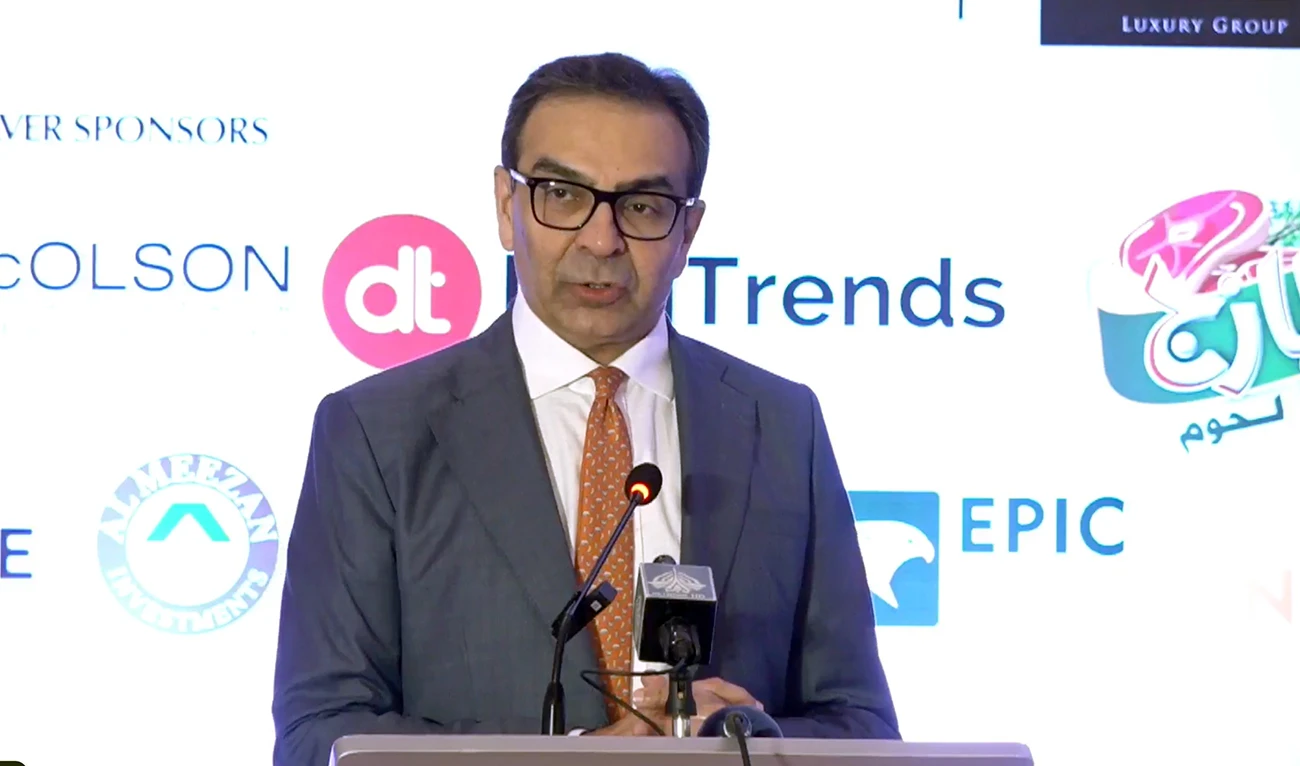
- On Wednesday, Maryam presided over PML-N’s first parliamentary party meeting to discuss priorities and strategy
- Punjab is the country’s most populous province and the heartland of its political, military and industrial elites
ISLAMABAD: Maryam Nawaz Sharif, the daughter of three-time former Prime Minister Nawaz Sharif, is poised to make history as the first woman chief minister of a Pakistani province, Punjab, the country’s most prosperous, populous and politically important region.
Maryam, 50, plays an influential role in her father’s Pakistan Muslims League-Nawaz (PML-N) party and has been presented by him as his political heir apparent. She is senior vice president of the party.
On Wednesday, the CM nominee presided over the PML-N’s first parliamentary party meeting in Punjab, a province with more than 127 million people, over half of Pakistan’s population.
Punjab is known as the country’s most heated battleground, contributing 173 of the 326 seats in Pakistan’s Parliament and the heartland of the nation’s political, military and industrial elite.
Control of Punjab will bolster the power of the Sharifs’ PML-N party, which is bitterly opposed by ex-PM Imran Khan’s Pakistan Tehreek-e-Insaf (PTI), arguably the most popular party in the country.
“Allah gave me the honor of being the first woman chief minister of Pakistan, generally and Punjab specifically,” Maryam said at the meeting.
“Though it’s just the nominated chief minister for now but it is a huge honor that I want to dedicate to every Pakistani mother, daughter, sister, girl and these [women] lawmakers here from elected and reserved seats.”
“Through thick and thin, Maryam Nawaz Sharif has been the anchor that has held PML-N steady,” the party said in an X post on Wednesday. “She rebuilt the party, and she will rebuild Punjab.”
According to the party, the meeting’s agenda included discussing Maryam’s priorities as the next Punjab chief minister and the strategy for electing the speaker and deputy speaker of the provincial legislature.
Prior to entering politics, Maryam was involved with the Sharif family’s philanthropic organizations and served as the chairperson of the Sharif Trust, Sharif Medical City, and Sharif Education Institutes. She formally joined politics in 2012 when she was put in charge of the PML-N’s election campaign ahead of 2013 general elections, which the party won, propelling her father to the prime minister’s office for the third time.
After the elections, she was appointed the Chairperson of the Prime Minister’s Youth Programme, a position from which she resigned in 2014 after her appointment was criticized by political rival Imran Khan over nepotism and her university degree was challenged in the Lahore High Court.
She became more politically active in 2017 after her father was disqualified from the PM’s office and convicted by the Supreme Court of Pakistan in relation to corruption revelations in the Panama Papers. She campaigned for her mother, Kulsoom Nawaz, during by-elections for Sharif’s vacant seat in the NA-120 constituency in Lahore.
Maryam was convicted by an anti-graft court in 2018 and got seven years in jail in a corruption abetment case involving the purchase of high-end apartments in London. Her father was also sentenced to 10 years in prison in the case for not being able to disclose a known source of income for buying the properties. She was also disqualified from contesting in 2018 elections as convicted felons cannot run for office under Pakistani law.
Maryam was acquitted in the case in September 2022, months after Imran Khan was ousted from the PM’s office in a parliamentary vote of no confidence and her uncle Shehbaz Sharif became premier.
Maryam became increasingly involved in politics during her father’s four-year self-imposed exile in the United Kingdom and in 2019, was appointed vice president of the PML-N, leading significant anti-government rallies throughout the country and fiercely denouncing then-PM Khan, his PTI party and the military and judiciary for colluding to oust her father from the PM’s office.
On 3 January 2023, Maryam was appointed senior vice president of the PML-N, making her one of the party’s most senior leaders. She ran for two seats in the Feb. 8 general elections, for the National Assembly seat from NA-119 Lahore-III and for a seat of the Provincial Assembly of Punjab from PP-159 Lahore-XV. This was her first time contesting a general election. She won both seats and was nominated by her party as the candidate for Punjab CM.
Maryam’s candidacy as the first woman chief minister of Pakistan represents a significant milestone, coming over seven decades after Pakistan’s creation. The post is arguably the second most important political appointment in the country, following the prime minister.
Maryam also courted controversy before entering politics.
When she failed to get admission into Lahore’s elite Kinnaird College due to poor academic standing, her father, then chief minister of Punjab, had the principal suspended from duty. A strike by the college students and staff got the principal reinstated. Maryam later enrolled at Lahore’s King Edward Medical College in the late 1980s but had to leave due to a controversy over illegal admission.
In 1992, she married Safdar Awan at the age of 19, who was serving as a captain in the Pakistan Army at the time and was the security officer of Nawaz Sharif during his then tenure as PM. The couple have three children.