

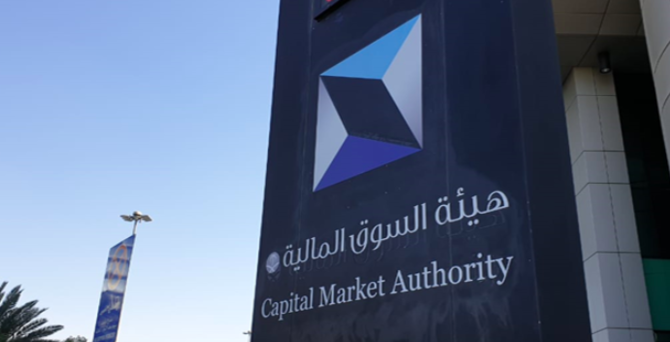

RIYADH: Foreign investment in Saudi Arabia’s financial market has reached SR400 billion ($106.6 billion), comprising 12 percent of tradable shares, revealed a top official.
The Kingdom, relatively late to open its stock market, the Saudi Stock Exchange, also known as Tadawul, to foreign investors, made this significant move in 2015, setting itself apart in the regional financial landscape.
Speaking at a forum in Riyadh, Mohammed El-Kuwaiz, the chairman of the Capital Market Authority, affirmed that the Kingdom is steadily progressing in creating and achieving remarkable success stories and consecutive achievements, particularly in the economic and financial sectors, in line with Saudi Vision 2030.
“Today, we have approximately SR400 billion foreign investments in the Saudi financial market, representing about 12 percent of the tradable shares, a figure that has been steadily increasing since we opened our doors to foreign investors,” he said, during a panel discussion at the third Saudi Capital Market Forum.
Foreign direct investment inflows to the Kingdom saw a 6 percent annual rise in the first nine months of 2023, a new methodology used by the Ministry of Investment has revealed. FDI inflows were shown to have reached SR52.9 billion, up from SR49.9 billion in the previous period, as revealed in the ministry’s report.
El-Kuwaiz mentioned that the authority is currently reviewing approximately 56 listing and inclusion requests across both the main markets and the parallel market, Nomu.
According to the chairman, this represents a significant improvement compared to the same period last year when the CMA was reviewing around 40 requests, marking an annual increase of 30 percent.
Considering the levels of indicators or the course of upcoming requests, the overall trajectory is positive and convincing, he reassured.
Regarding the role of technological advancement in the Saudi financial market, the chairman pointed out that communications and information technology are in a dynamic relationship with capital markets.
Technology shapes the features of capital markets, while in return, capital markets play a pivotal role in financing technology and innovation.
He explained that just five years ago, there were no technology companies listed in the Saudi financial market. Now, the telecommunications and information technology sector stand as one of the largest in terms of listings and market capitalization, demonstrating significant growth and emerging as the top-performing sector in 2023.
“This transformation confirms our responsibility in facilitating technology and innovation financing through the financial market, which becomes increasingly real as the market matures and diversifies, attracting investors most aligned with technological investments,” added El-Kuwaiz.
He continued: “Five years ago, there was no presence of the venture capital scene, and investments did not exceed tens of millions. However, the value of venture capital financing exceeded SR1.7 billion during 2023, elevating our global status among emerging markets and placing us at the forefront of the Middle East and North Africa markets.”
The CMA chairman emphasized that the telecommunications and information technology sector has greatly benefited from the rise of venture capital, creating new financing and investment opportunities for small and medium-sized enterprises and enabling them to expand in financial technology.
This has brought about a leap in financing mechanisms, which now take less than a minute compared to several months or even years previously.
The chairman also highlighted one of the most significant developments in the Saudi financial market: the adoption of sustainability reports and practices by many companies. This move not only encourages foreign investors who prioritize sustainability but also indicates the strength of the market.
Meanwhile, Saudi Arabia’s ministries of investment and of foreign affairs have introduced in November 2023, the second phase of the “Investor Visitor” e-visa service, expanding its coverage to include all countries worldwide.
International investors no longer have to visit a Saudi embassy to get a visa after the process for applying for the permit was moved online, as part of the Kingdom's ongoing efforts to align with the Vision 2030 initiative, with a focus on improving the investment environment and facilitating the start of business activities.


