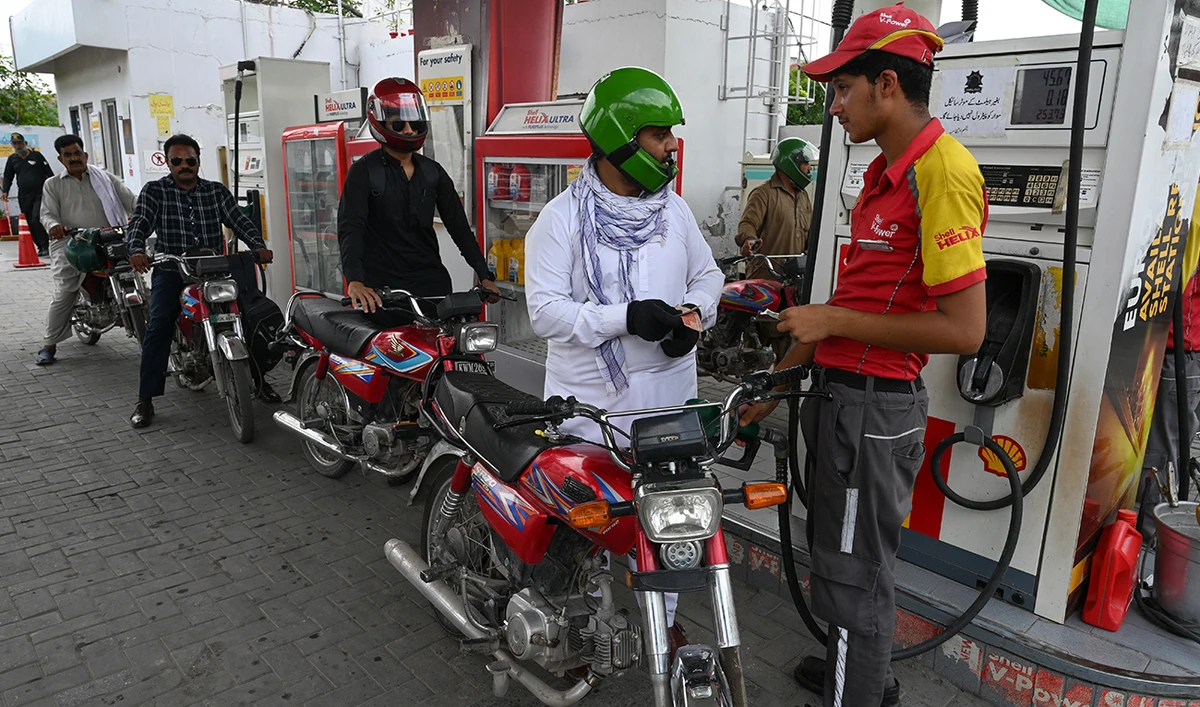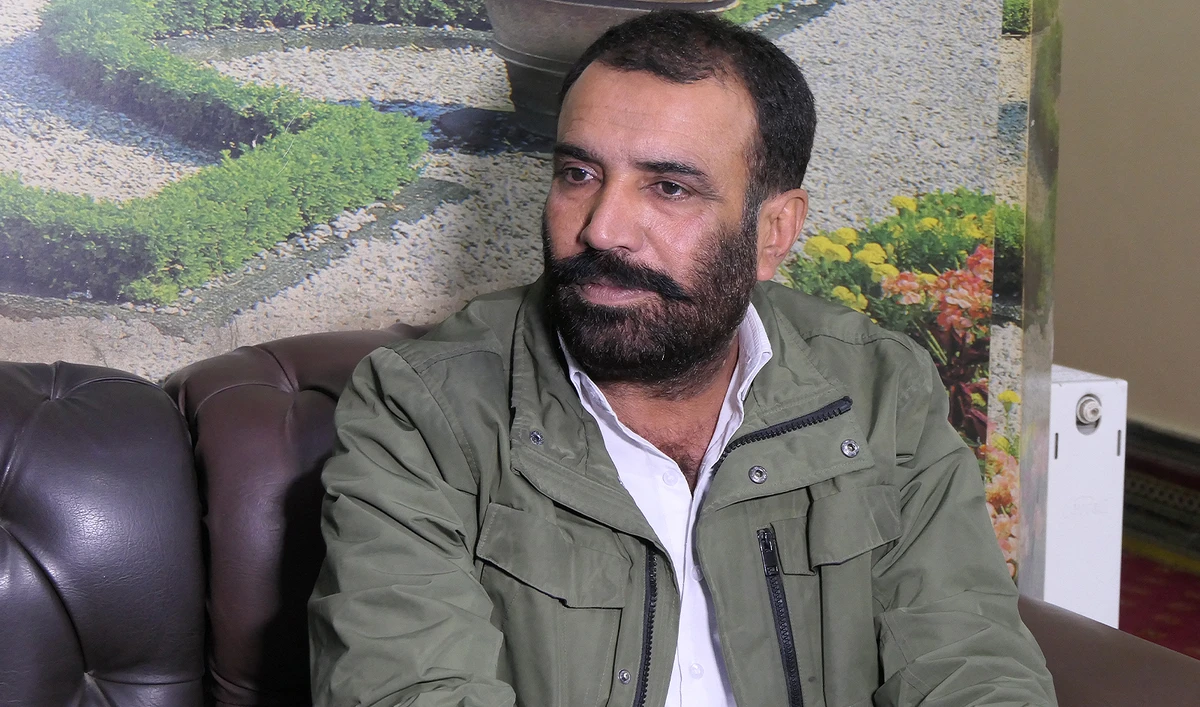
- Abdul Majeed Badini tirelessly served Balochistan’s Jaffarabad community during devastating 2022 floods
- Badini, who belongs to Jamaat-e-Islami religio-political party, won 15,284 votes from PB-16 constituency
QUETTA: A large crowd had gathered outside a hotel in the southwestern Pakistani city of Quetta last week as Abdul Majeed Badini appeared to meet supporters after winning a Balochistan provincial assembly seat in Feb. 8 general elections.
This is no ordinary victory. For the first time in over seven decades, a middle class social worker has defeated members of the influential Jamali family in Balochistan’s Jaffarabad district.
In the last election in 2018, Badini, 50, who belongs to the Jamaat-e-Islami (JI) religious party, managed to win less than 2,000 votes from the PB-16 constituency. This time, he got 15,284.
The powerful Jamali family has ruled Naseerabad Division, comprising Jaffarabad, Osta Muhammad, and Naseerabad districts, since the creation of Pakistan in 1947, with members of the clan serving in some of the most sought-after federal and provincial offices, including that of the prime minister, deputy chairman of the upper house of parliament, chief minister and provincial assembly speaker.
“In 75 years, this is the first time that a common man from lower class has returned as a winner from there [PB-16 Jaffarabad],” Badini told Arab News in an interview, saying his rivals were Western-educated sons of feudal lords.
“This is what I explained to the people of my tribe, for six years, I worked hard to make them understand that Allah has given the power of vote in your hands. Make the right use of your vote. Vote for yourself.”
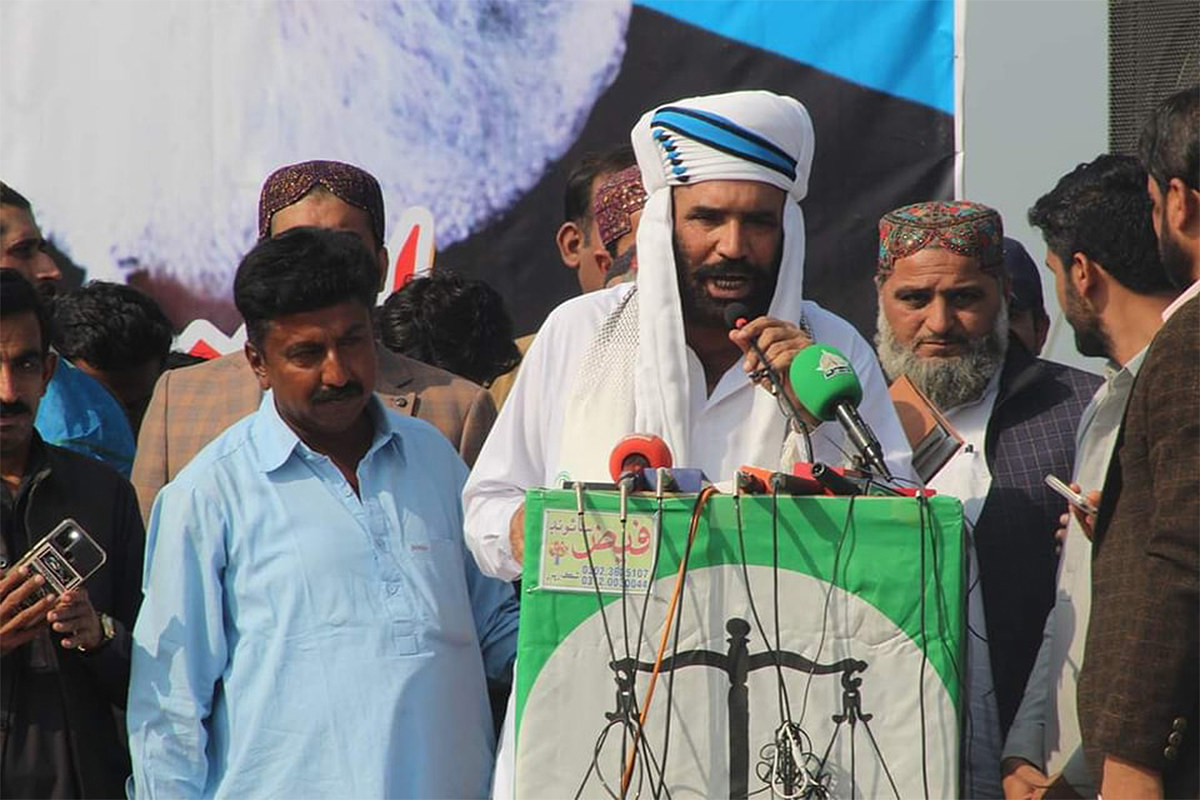
Pakistan’s political landscape has long been dominated by well-established families and in Balochistan too, the country’s largest but most underdeveloped province, it is families, or tribes, who have been at the helm for decades. Out of 16 National Assembly seats from Balochistan province, 442 candidates were declared eligible to contest the latest elections, with a majority coming from tribal and well-established political backgrounds.
In PB-16 Jaffarabad, Badini was up against former provincial minister and independent candidate, Umar Khan Jamali, Rahat Khan Jamali from the Pakistan Muslim League-Nawaz (PML-N) party, and Hassan Ali Jamali, who contested on the ticket of the Pakistan Peoples Party (PPP).
“In this election, I was contesting against three powerful members of the Jamali family in PB-16 ... [but] because of underdevelopment, people wanted a change, people wanted someone from among them to come to power,” Badini said.
“And the people of Jaffarabad saw who is there with them in the times of need and who abandons us in difficult times, and then comes to ask for our vote. This time, the people made their decision.”
The JI politician, whose forefathers arrived in Jaffarabad over a century ago, belongs to the ethnic Baloch tribe of Badini, which is settled mainly in the Nushki and Chaghi districts along Pakistan’s border with Iran and Afghanistan. He was involved in politics in the late 1990s with the Islami Jamiat-e-Talaba, the student wing of JI, while studying mechanical engineering at Khuzdar Engineering University but quit to look after his father’s property dealership. He joined the JI in 2016.
“DOWN TO EARTH”
According to government data, 75 percent of people in Jaffarabad live below the poverty line. The already impoverished district was badly hit during devastating floods in 2022 which swept away homes, crops and infrastructure and forced thousands of families to spend months living under the open sky amid poverty and disease.
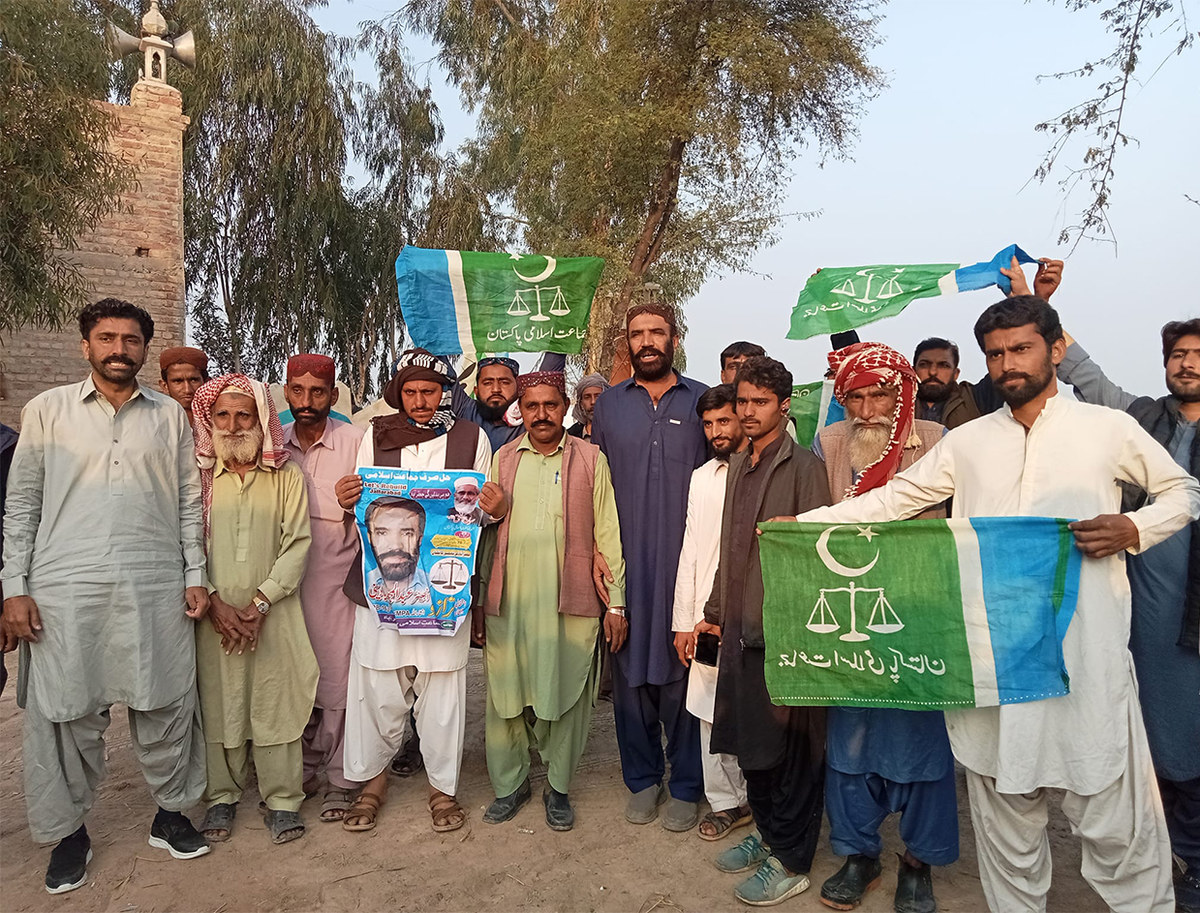
In the aftermath of the deluge, Badini worked tirelessly to deliver food and tents to thousands of families under the banner of the non-government Al-Khidmat Foundation, residents of the area said.
“The voters have found an alternative to the Jamalis in recent elections,” Asif Ali, a 29-year-old resident of Dera Allah Yar, the district headquarters of Jaffarabad, told Arab News, saying the community had been deprived by its elected leaders of basic facilities like health, education and clean drinking water for the last 70 years.
Nizam Jatoi, a journalist based in Dera Allah Yar, called Badini’s victory an “unexpected change” in the history of Jaffarabad, triggered by “70 years of deprivation.”
“Badini has a down-to-earth personality and he is accessible to everyone in the entire Jaffarabad district,” Jatoi told Arab News. “In the 2022 floods, members of the Jamali family did nothing for flood-affected families, but Abdul Majeed Badini helped hundreds of families.”
Badini said people displaced by floods were his top priority.
“In Jaffarabad, on an emergency-basis, at least 10,000 people, 10,000 families are homeless [after floods], who are spending their lives in tents or slums.,” he said.
“There the whole district headquarters [Dera Allah Yar] which has 150,000 population and it does not have a sewage system. The first thing in the city [Jaffarabad] that needs to be done is sewage work. Then after that, flood water keeps rushing in and destroys the entire city, so it needs to be given a flood protection dyke.”
Now, the social worker is up for an even bigger challenge.
“Jaffarabad’s people have done their part of the job [by voting for me],” Badini said. “Now, it is my test.”
Badini’s rival Umar Khan Jamali, who was a provincial lawmaker from 2018 to 2023, rejected claims that the people of Jaffarabad had voted against the Jamali family or the feudal system.
“Four members of the Jamali family were contesting 2024 elections from different parties,” he told Arab News, “which divided the vote.”