RIYADH: Foreign direct investment inflows to Saudi Arabia saw a 6 percent annual rise in the first 9 months of 2023, a new methodology used by the Ministry of Investment has revealed.
Utilizing an updated approach characterized by heightened transparency and governance standards, FDI inflows were shown to have reached SR52.9 billion ($14.11 billion), up from SR49.9 billion in the previous period, as revealed in the ministry’s report.
Notably, these figures exclude an Aramco deal in 2022 worth SR58.1 billion which saw a consortium led by BlackRock Real Assets and Hassana Investment Co. purchase a 49 percent stake in a newly formed gas pipelines subsidiary.
The updated methodology for calculating FDIs aligns with international standards, and was developed to enhance accuracy and comprehensiveness through collaborative efforts by the Ministry of Investment, the General Authority for Statistics, and the Saudi Central Bank, in conjunction with the International Monetary Fund.
This method, according to the Ministry, categorizes FDI based on various criteria such as economic activity, financial instrument, and geographical region.
It also includes investment income from dividends and interest and evaluates FDI based on companies’ financial statements. The framework of foreign companies is updated annually, considering new establishments and excluding liquidated or merged companies.
FDI assessment is based on market price for listed companies and Own Fund at Book Value for non-listed ones. The calculation includes special purpose entities, capital and individual companies.
In alignment with the objectives outlined in the National Investment Strategy and the Vision 2030 targets, significant legal, economic, and social reforms were implemented to stimulate FDI inflows, aiming to reach SR83 billion by 2023.
This suggests that by the third quarter of 2023, the Kingdom had attained 64 percent of this objective.
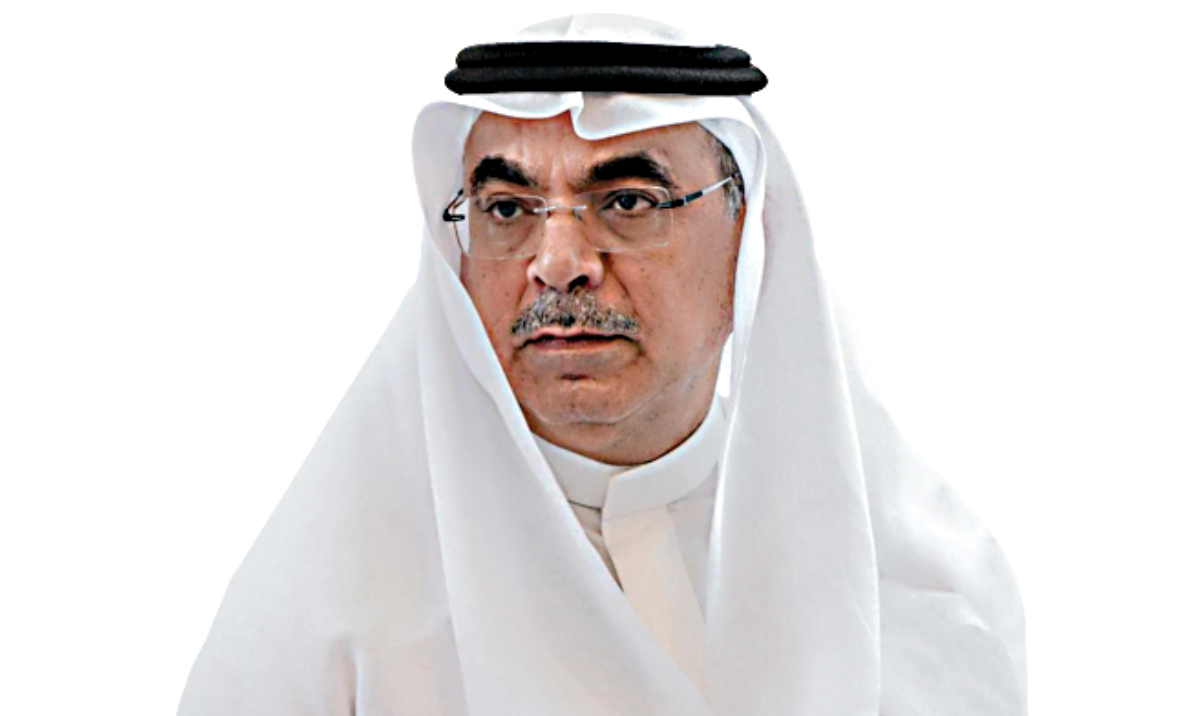
Eastern Province Municipality Mayor Fahad Al-Jubeir emphasized the benefits for investors and entrepreneurs, including extended contract durations, exemption periods, and reduced bank guarantees. (Supplied)
Looking ahead, the Kingdom aims to achieve an FDI inflow target of SR388 billion by 2030, equivalent to 5.7 percent of gross domestic product, while also positioning itself among the 15 largest economies in the world.
The Kingdom’s regional headquarters program has enticed multinational giants such as Google, Microsoft, and Amazon to relocate to Saudi Arabia, alongside firms like Northern Trust, Bechtel, and Pepsico from the US, as well as IHG Hotels & Resorts, PwC, and Deloitte from the UK.
This initiative has not only positioned these companies to qualify for government contracts but has also invigorated Saudi Arabia’s hospitality sector, and solidified its position as a hub for international business.
FDI stock, representing the total accumulated value of foreign investments in Saudi Arabia, also saw a 6 percent increase, reaching SR795 billion.
Additionally, Gross Fixed Capital Formation, measuring the total value of new physical assets like machinery, equipment, buildings, and infrastructure added to the existing stock of fixed assets in the economy, rose by 10 percent to reach SR833.9 billion. Notably, 88 percent of this increase stemmed from the nongovernment sector.
Kingdom’s 2022 FDI performance
According to the Ministry of Investment, global FDI net inflow declined by 12 percent in 2022, amounting to $1.3 trillion based on UN data. Despite this, FDI net inflows into Saudi Arabia surged by 21 percent annually, reaching SR105 billion.
Ministry data further revealed that inflows to the Kingdom also saw a rise of 21 percent, totaling SR123 billion, equivalent to 3 percent of GDP, surpassing the ministry’s 2 percent target. The Eastern Province led with the highest FDI inflow of SR90.7 billion, followed by Riyadh with SR22.4 billion, and then Makkah with SR6.6 billion.
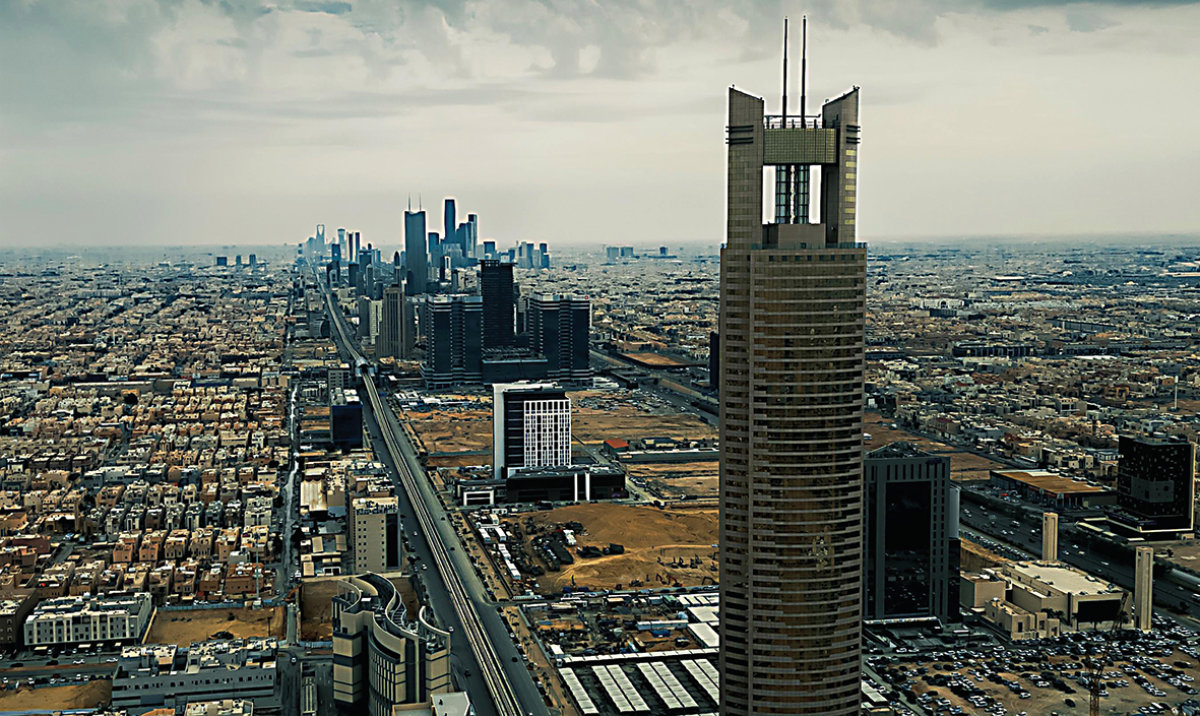
Eastern Province municipality of Saudi Arabia has unveiled 238 investment opportunities, covering both permanent and temporary ventures across the region, totaling over 20,000 assets across an area exceeding 116 million sq. m.
Mayor Fahad Al-Jubeir has emphasized that this initiative aims to engage the private sector in line with Vision 2030 objectives. Reported by the Saudi Press Agency in January, he highlighted the diverse array of projects, ranging from maritime activities and sports facilities to tourism sites and commercial venues.
Al-Jubeir emphasized the benefits for investors and entrepreneurs, including extended contract durations, exemption periods, and reduced bank guarantees.
In terms of categorization by continents, the ministry noted that inflows from Europe constituted 66 percent of FDIs to the Kingdom, followed by Asia at 11 percent, with Gulf Cooperation Council countries excluded, estimated at 9 percent.
FDI outflows, representing the Kingdom’s investments in foreign countries, increased by 13 percent to SR17 billion during this period. Consequently, the net inflow, reflecting the difference between the two, reached SR105 billion.
The transportation and storage sector received the largest share of inflows at 42 percent, followed by manufacturing at 33 percent.
FASTFACT
The updated methodology for calculating FDIs aligns with international standards, and was developed to enhance accuracy and comprehensiveness through collaborative efforts by the Ministry of Investment, the General Authority for Statistics, and the Saudi Central Bank, in conjunction with the International Monetary Fund.
The transportation allocation is linked to the 2022 Aramco transaction.
Saudi Arabia’s manufacturing sector has also experienced remarkable growth in recent years, driven by strategic initiatives like Vision 2030. Through the issuance of numerous new manufacturing licenses and investments, the country has bolstered its domestic production capacity, contributing to economic diversification and job creation.
Moreover, FDI stock experienced a 16 percent growth during this period, with manufacturing activity comprising the highest share at 31 percent. Other sectors included transportation and storage at 15 percent, wholesale and retail trade at 13 percent, financial and insurance activities at 11 percent, real estate activities at 8 percent, and construction at 6 percent.
The UAE held the highest FDI stock in 2022 at SR104 billion according to a report by the General Authority of Statistics, followed by Luxembourg with SR103 billion, and the US with SR77 billion.
According to the Ministry of Investment, initiatives introduced under Saudi Vision 2030 have significantly improved FDI in Saudi Arabia, resulting in a 52 percent increase in FDI stock and a 337 percent increase in FDI inflow from 2017 to 2022.