


RIYADH: Saudi Arabia’s insurance industry is projected to experience a compound annual growth rate of 5.2 percent until 2028, reaching SR83.7 billion ($22 billion), a study showed.
This growth, up from the current SR68.3 billion in 2024, is primarily driven by the health and motor segments, which together will account for 86 percent of the overall gross written premiums, according to UK-based consultancy firm Global Data.
Despite witnessing double-digit growth in the general insurance sector in 2022 and 2023, the momentum is expected to normalize starting from 2024.
Sutirtha Dutta, an analyst at Global Data, said: “The Saudi Arabian general insurance industry witnessed high growth of 27.7 percent in 2022 and 22.8 percent in 2023. The growth was supported by favorable regulatory developments in motor and health insurance lines, rising construction activities, increasing preference for specialized health care, and growing motor vehicle sales.”
The report added: “The growth is expected to normalize from 2024 onwards, in line with the economic growth as the country witnesses a shift from an oil-based economy to develop other sectors that include transport and logistics, clean technology, and metals and mining.”
Dutta explained that the development of non-oil sectors is expected to offer numerous opportunities for insurers in the general insurance sector in the coming years.
“The expansion of the healthcare and construction industries as part of the Vision 2030 program will drive the growth of Saudi Arabia’s general insurance industry.”
“The country’s shift from an oil-based economy will promote development in other sectors and provide growth opportunities for general insurers over the next five years,” he added.
Personal and accident insurance growth
The report revealed that the personal accident and health insurance segment led the sector in Saudi Arabia, accounting for a 63.2 percent share of gross written premiums in 2023.
It added that PA&H insurance in the Kingdom grew by 25.5 percent in 2023, primarily driven by a rise in health awareness and growing demand for specialized healthcare.
Highlighting this growth, the Council for Health Insurance anticipates private health beneficiaries in the Kingdom to increase from 11.5 million in 2022 to 25 million in 2030.
Moreover, the Saudi government’s push for healthcare transformation under the Vision 2030 program is also accelerating the growth of the PA&H segment.
The government’s ambitious Vision 2030 strategies aim at the privatization of the healthcare sector and improving access by offering better quality services, enhancing e-health offerings, and launching digital solutions for public health and disease prevention.
The report pointed out that the gradual application of mandatory health insurance measures by the government is also expected to support the growth of the PA&H coverage segment.
In October 2023, Saudi Arabia launched a new mandatory health insurance program for foreign tourists, including pilgrims and Umrah performers, with coverage of $26,660.
Considering these factors, the PA&H insurance segment is expected to grow at a CAGR of 6.3 percent from 2023 to 2028, the report added.
Motor insurance gains momentum
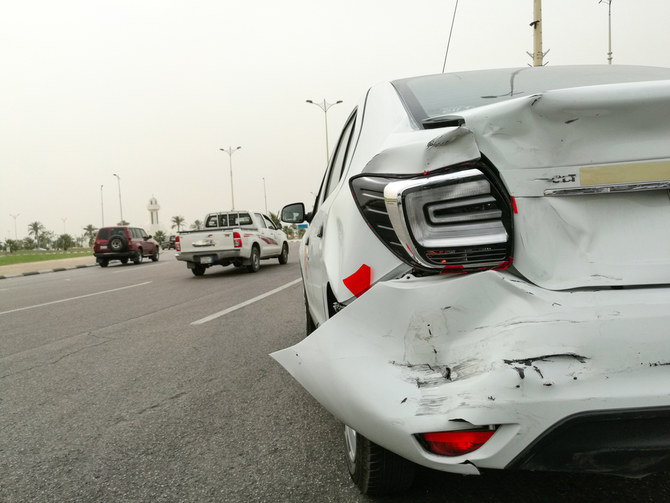
Motor insurance is the second-largest line of business for the sector in Saudi Arabia, accounting for a 23.1 percent share of gross written premiums in 2023, according to Global Data.
Driven by growing vehicle sales in the Kingdom, the segment saw a growth of 41.4 percent in 2023.
Data from Saudi Arabia’s Industrial Development Organization shows that vehicle sales grew by 3 percent in 2023, reaching 660,000 units, compared to 641,000 in 2022.
The report also highlighted that the Kingdom is emerging as a leading market for the sale of electric vehicles, which will support motor insurance growth in the country.
Global Data opines that favorable regulatory developments in Saudi Arabia are also expected to accelerate the growth of this segment in the coming years.
In November 2023, the Saudi Central Bank, also known as SAMA, implemented a comprehensive motor insurance policy to broaden coverage, including relatives, private drivers, and sponsors of the insured.
This change is expected to increase motor insurance premium rates, supporting the segment and resulting in a CAGR growth of 5 percent from 2023 to 2028.
Property insurance growth
Property insurance, the third-largest line of business, accounted for a 9.1 percent share of gross written premiums in 2023.
Global Data predicts a CAGR of 5.9 percent from 2023 to 2028, driven by ongoing construction projects under Vision 2030, including giga-projects like NEOM and various residential developments.
The report highlighted that marine, aviation, transit, and liability insurance accounted for the remaining 4.5 percent of general insurance gross written premiums in 2023.
The anticipated growth and diversification of sectors beyond the oil industry in Saudi Arabia are expected to present various opportunities for insurance companies in the broader insurance sector in the coming years.
In November 2023, the Kingdom’s Insurance Authority commenced operations following its approval by the Saudi Cabinet three months earlier.
According to its website, the authority’s mission is to “regulate the insurance sector in the Kingdom, in a manner that enhances its efficiency and stability, and aligns with the goals of Saudi Vision 2030 and the aspirations of the wise leadership.”
Speaking to Arab News in September 2023, Adel Al-Eisa, media spokesperson for Insurance Companies in Saudi Arabia, emphasized that the creation of the authority underscores the Kingdom’s commitment to building and developing a world-class insurance sector.
“The establishment of the Saudi Insurance Authority will serve the greater purpose of enhancing the Kingdom’s insurance sector, bolstering local infrastructure and creating an advanced, thriving ecosystem that empowers both Saudi-based, regional and global businesses — and, of course, the people, communities and businesses they serve,” added Al-Eisa.


