Yanbu architecture harks back to ancient Hijazi culture

1 / 7
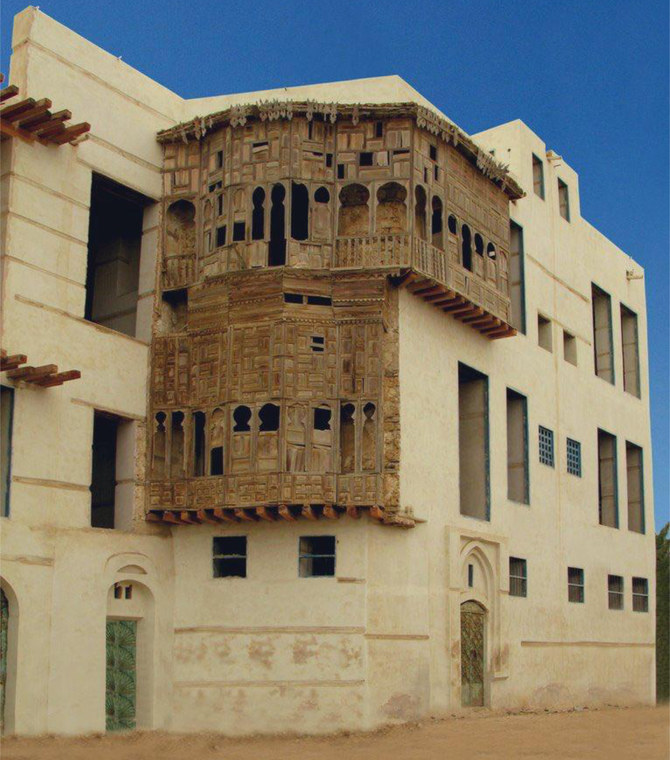
The historic Al-Sour neighborhood is distinguished by its tall buildings with stunning mashrabiyas or latticed wooden screens attached to windows. (Supplied)
2 / 7
The historic Al-Sour neighborhood is distinguished by its tall buildings with stunning mashrabiyas or latticed wooden screens attached to windows. (Supplied)
3 / 7
The historic Al-Sour neighborhood is distinguished by its tall buildings with stunning mashrabiyas or latticed wooden screens attached to windows. (Supplied)
4 / 7
The historic Al-Sour neighborhood is distinguished by its tall buildings with stunning mashrabiyas or latticed wooden screens attached to windows. (Supplied)
5 / 7
The historic Al-Sour neighborhood is distinguished by its tall buildings with stunning mashrabiyas or latticed wooden screens attached to windows. (Supplied)
6 / 7
The historic Al-Sour neighborhood is distinguished by its tall buildings with stunning mashrabiyas or latticed wooden screens attached to windows. (Supplied)
7 / 7
The historic Al-Sour neighborhood is distinguished by its tall buildings with stunning mashrabiyas or latticed wooden screens attached to windows. (Supplied)
Short Url
Updated 09 February 2024
Follow

Yanbu architecture harks back to ancient Hijazi culture

  • Mashrabiya screens, coral stones are feature of old buildings
  • Yanbu was home to Lawrence of Arabia and other historical figures

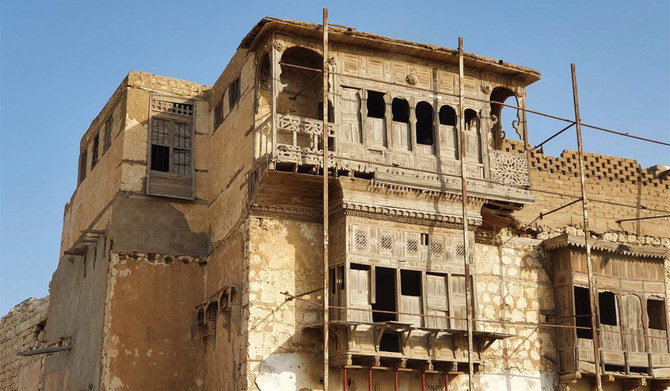
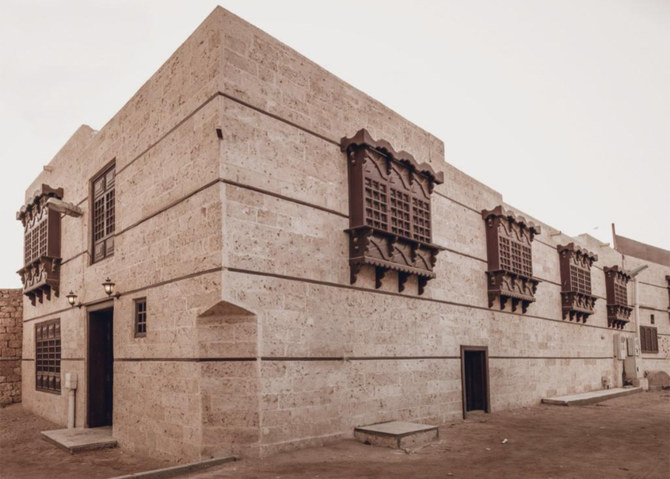
MAKKAH: Once home to merchants, the historic Al-Sour neighborhood is regarded as one of Yanbu’s most important areas, distinguished by its tall buildings with stunning mashrabiyas — latticed wooden screens attached to windows — and intricately designed doors.

This area has been the site of several significant events over the years, the most significant of which relates to the Battle of Dhu Al-Ushairah, which took place during Prophet Muhammad’s lifetime. Several important people have lived in the city of Yanbu, most notably Thomas Edward Lawrence (Lawrence of Arabia), Abdullah bin Al-Hassan bin Ali bin Abi Taleb, and the prophet’s companion Abu Abdullah Harmala Al-Medlaji.

Historian Abdul Ilah Al-Fares told Arab News the area has distinctive architectural features. “Al-Sour neighborhood’s buildings utilize the traditional coastal building style … The buildings are made out of coral stones (Al-Manqabi), while palm and tamarisk trunks were used for the roofs. Some of the most prominent buildings include Bayt Batin, Bayt Al-Khateeb, Bayt Jabarti and Bayt Al-Shami, along with some ancient heritage buildings.”


The historic Al-Sour neighborhood is distinguished by its tall buildings with stunning mashrabiyas or latticed wooden screens attached to windows. (Supplied)

He said the district is an important commercial center in the city of Yanbu.

Al-Fares added: “Yanbu’s historical district contains memories of the noise of vendors and passers-by in its houses and markets. It is considered one of the most important tourist destinations on the Red Sea, as it combines popular heritage with the cultural achievements that Yanbu is currently witnessing.”

There are about 100 old buildings in the area from which the Red Sea coast can be seen.

The neighborhood’s wooden rawashin and mashrabiyas are unique for their traditional architectural style that brings back the greatness of the past.

Abdul Ilah Al-Fares, Historian

“The neighborhood’s wooden rawashin and mashrabiyas are unique for their traditional architectural style that brings back the greatness of the past and … represent the authenticity of the time and place of the old Hijazi architecture.”

“In general, the rawashin are aesthetic design units that protrude from the walls of the buildings and overlook the street or central courtyard. They are supported by protruding wooden foundations that showcase the skills of carpenters through the woodwork of their interlocking sections, corbels, inclined cornices and window shutters, which consist most of the times of small net-like curtains,” Al-Fares said.

The city of Yanbu is 200 km west of Madinah and 300 km north of Jeddah. The city is divided into Yanbu Al-Nahr, Yanbu Al-Nakhl and Industrial Yanbu.


Saudi participants highlight traditions, heritage in Milan

Updated 15 December 2025
Follow

Saudi participants highlight traditions, heritage in Milan

  • Artigiano in Fiera is one of world’s leading exhibitions dedicated to handicrafts, traditional arts 

MILAN: The Saudi national pavilion has concluded its participation at Milan’s Artigiano in Fiera, one of the world’s leading exhibitions dedicated to handicrafts and traditional arts.

Organized under the supervision of the Ministry of Culture, the pavilion brought together several Saudi cultural and tourist entities to present the Kingdom’s heritage, creativity and living traditions to an international audience, while positioning Saudi Arabia as a growing cultural and tourist destination. 

Participating entities included the Heritage Commission, the Theater and Performing Arts Commission, the Culinary Arts Commission, the Royal Institute of Traditional Arts (Wrth), the Royal Commission for AlUla, the Saudi Tourism Authority, and the Saudi Artisanal Company.

More than 140 Saudi participants took part, including artisans, chefs, and traditional performing arts groups and musicians, the Saudi Press Agency said.

The pavilion placed particular emphasis on the Ministry of Culture’s Year of the Handicrafts initiative of 2025. A dedicated section showcased Saudi handicrafts and their cultural significance, with 25 artisans demonstrating traditional crafts such as bisht tailoring, agal weaving, rosary making, incense burner crafting, and Sadu weaving.

Students from Wrth also took part, with 20 artisan trainees presenting their work, which included Al-Qatt Al-Asiri, traditional pottery, hand embroidery, and woodcraft.

The Saudi Artisanal Company displayed a selection of its handmade products, highlighting the quality and diversity of contemporary Saudi craftsmanship rooted in tradition. 

Hospitality formed a central part of the pavilion’s offering, with presenters welcoming visitors with coffee and guiding them through the various sections.

Guests explored traditional culinary products such as dates and their derivatives, Saudi coffee, and signature dishes prepared by Saudi chefs, who shared recipes and hosted live cooking demonstrations. 

The pavilion’s program was complemented by performances from two Saudi traditional performing arts groups. 

Saudi Arabia’s participation in Artigiano in Fiera builds on its previous appearances at the exhibition and reflects the Kingdom’s broader commitment to cultural exchange.

By sharing its crafts, cuisine and performing arts on a global platform, Saudi Arabia continues to use culture as a means of dialogue, reinforcing its role as an active contributor to the international cultural landscape.