

PIF launches new local business opportunities at Private Sector Forum

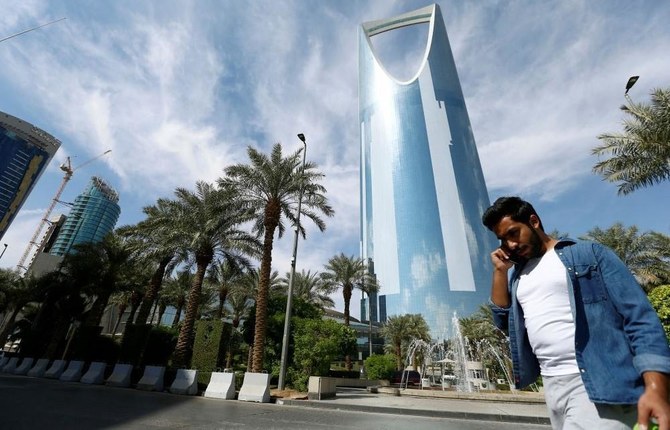
The PIF Private Sector Forum aims to foster partnerships between PIF, its portfolio companies and the private sector. (Reuters)
Short Url
Updated 06 February 2024
Follow

PIF launches new local business opportunities at Private Sector Forum

  • Second PIF Private Sector Forum complements the efforts of PIF and its portfolio companies in enabling and enhancing the local private sector
  • Event expects to attract over 8,000 private sector attendees and will feature over 100 booths for PIF’s portfolio companies and government entities

RIYADH: The Public Investment Fund will hold its second Private Sector Forum from Feb. 6-7 at the King Abdulaziz International Convention Center in Riyadh.

This event aims to foster partnerships between PIF, its portfolio companies and the private sector.

It aligns with PIF’s strategy to increase local content through its portfolio companies to 60 percent by the end of 2025, and the Vision 2030 objective to increase private sector contribution to GDP to 65 percent by 2030.

The Private Sector Forum will host a range of senior figures, including government ministers and PIF executives, as well as CEOs and thought leaders, and representatives of over 80 PIF portfolio companies. The event will also feature in total over 100 portfolio companies and government entities’ booths and also expects more than 8,000 private sector participants from various strategic sectors.

The 2024 PIF Private Sector Forum will complement PIF and its portfolio companies’ efforts to further empower the local private sector, enhancing its competitiveness and capacity for innovation.

It will see the launch of new programs and initiatives aimed at diversifying the local economy, enhancing the capabilities of strategic sectors, boosting competitiveness, increasing local content and creating job opportunities. It will underline the importance of private sector empowerment in developing the local economy and achieving the goals of Vision 2030.

In its second edition, the forum will feature a number of sessions and workshops dealing with a range of strategic topics, focusing on the objectives of Vision 2030 in empowering and enhancing the role of the private sector, as well as PIF efforts in driving toward this initiative.

The sessions will also discuss financing solutions for vendors through several programs, in addition to future opportunities for new local sectors and the contribution of private sector investment in developing value and supply chains. The forum will also explore opportunities for collaboration and partnership involving PIF, its portfolio companies and the private sector and will provide a significant platform for private sector networking.

Since 2017, PIF has established 93 companies and has been instrumental in creating over 644,000 direct and indirect jobs across various key promising sectors. PIF created its National Development Division (NDD) to support national development through PIF investments. The division’s objectives include enhancing private sector participation and emphasizing private business’ roles with portfolio companies.


Free trade negotiations between GCC, India mark new phase of partnership, says sec-gen

Updated 24 February 2026
Follow

Free trade negotiations between GCC, India mark new phase of partnership, says sec-gen

RIYADH: The Gulf Cooperation Council’s secretary-general affirmed that the negotiations for a free trade agreement between the GCC and India, and the signing of the joint statement, represents a new phase of strategic partnership.

Jasem Mohamed Al-Budaiwi said that this contributes to enhancing close cooperation and strengthening economic and trade ties, according to the Saudi Press Agency.

This came during the signing ceremony of the joint statement on launching the free trade agreement negotiations between the Al-Budaiwi and India’s Minister of Commerce and Industry, Piyush Goyal, which took place in New Delhi, on Tuesday.

During the signing ceremony, Al-Budaiwi said that the Terms of Reference, signed on Feb. 5, provide a comprehensive and clear framework for these negotiations. The two nations agreed to discuss enhancing cooperation in vital strategic areas, including trade in goods, customs procedures, and services.

Additionally, the framework covers Sanitary and Phytosanitary measures, intellectual property rights, cooperation on Micro, Small, and Medium Enterprises, along with other topics of mutual interest. This reflects the comprehensive nature of the agreement and its ability to keep pace with the future economy.

Al-Budaiwi expressed hope that these negotiations would lead to a comprehensive and ambitious free trade agreement that works to remove customs and non-customs barriers, enhance the flow of quality investments in both directions, and achieve further liberalization in trade and investment cooperation between the GCC and India for mutual benefit. 

This would provide a stimulating economic environment and an investment climate that opens broad horizons for the business sector, supports supply chains, and accelerates the pace of economic growth in line with the ambitious developmental visions of the GCC states. 

The top official affirmed the full readiness of the General Secretariat to host the first round of negotiations at its headquarters in Riyadh during the second half of this year.

The two sides held a meeting during which they reviewed the existing cooperation relations between the GCC and India and discussed ways to develop and elevate them to broader horizons, serving mutual interests and enhancing opportunities for strategic partnership between the two sides, particularly in the economic, investment, and trade fields.

They praised the role undertaken by the negotiating teams from both sides, appreciating the efforts contributing to reaching a comprehensive agreement that enhances economic integration and supports the smooth flow of trade between the two nations.