- Firm offers agile solutions for banks and financial institutions
CAIRO: The fintech sector in Saudi Arabia is increasingly drawing international attention, fueled by the nation’s strategic vision to emerge as a regional leader in this domain.
In line with its national ambition, Saudi Arabia aims to become a prominent regional fintech hub, targeting the attraction of 525 financial services companies by the year 2030, as outlined in its Financial Sector Development Strategy.
Singapore-based Ryalize is turning its focus towards the burgeoning fintech sector in the Kingdom, aiming to offer cost-effective and agile solutions tailored for banks and other financial institutions.
In an interview with Arab News, Khalid Al-Shakrani, the founder and managing director of Ryalize, discussed the company’s strategic plans and their potential impact on Saudi Arabia’s financial sector.
“The current fintech market in Saudi Arabia is highly attractive, characterized by substantial growth opportunities. Ryalize aims to position itself uniquely within this dynamic landscape by offering a groundbreaking financial wellness solution that stands unparalleled in the Saudi market,” Al-Shakrani said.
Realized potential
Founded in 2019, Ryalize is on a mission to address financial challenges that are often overlooked by traditional banking systems.
Recognizing that individuals frequently face minor financial emergencies, which do not necessarily require a loan but immediate access to small amounts of cash, Ryalize offers innovative financing wellness solutions.
A prime example of their approach is the Earned Wage Access feature, which allows individuals instant and seamless access to their earned wages before payday, effectively addressing these common financial hurdles.
“We partner with banks and use their platform to provide our earned wage access solution to their corporate clients and in parallel approach new clients, helping the banks expand their customer base,” Al-Shakrani stated.
Success at Ryalize is measured through a dual-focused lens, transcending traditional financial indicators, Al-Shakrani explained.
Firstly, the company gauges its triumph in its contribution to financial inclusion, ensuring that people from all economic backgrounds have access to essential financial tools. This aspect of success establishes Ryalize not just as a business, but as a catalyst for societal change.
Secondly, success is also seen in the practical adoption and utilization of their products by employees. The company regards the active engagement and benefit derived from its solutions as a critical measure of its impact, reflecting the effectiveness of their products in addressing real-world financial challenges and improving individual financial well-being.
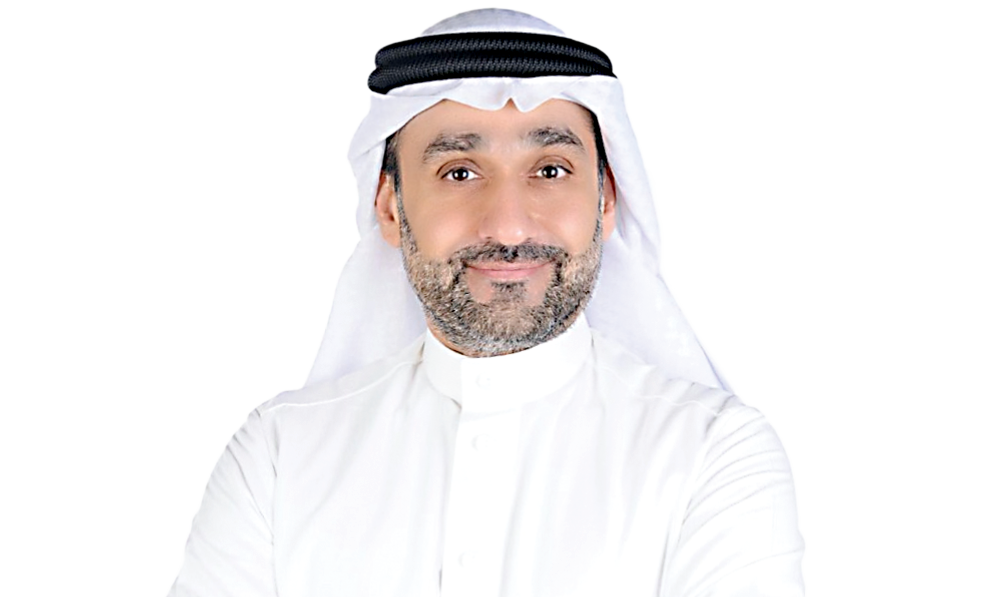
We partner with banks and use their platform to provide our earned wage access solution to their corporate clients and in parallel approach new clients, helping the banks expand their customer base.
Khalid Al-Shakrani Founder and managing director of Ryalize
Furthermore, Al-Shakrani explained that the company’s Earned Wage Access feature holds great potential amid rising economic challenges.
“The current landscape, marked by high inflation rates, presents challenges for consumer savings. In light of these conditions, Ryalize envisions an opportunity to introduce our Earned Wage Access product,” he stated.
“This timing aligns with the heightened demand for innovative financial solutions, which offers flexible financing, particularly during periods of economic uncertainty,” he added.
A Saudi strategy
“Ryalize aims to create immediate value for users and businesses in Saudi Arabia. Through Earned Wage Access, the company seeks to address pressing and immediate financial needs, providing a quick and accessible solution for individuals to manage their finances more effectively,” Al-Shakrani stated.
The company’s primary goal is to provide individuals with enhanced access to liquidity, eradicating the need for “predatory lending” practices like those employed by loan sharks, Al-Shakrani added.
“Numerous individuals across diverse communities lack the resources and tools for a financially secure future. While financial services are prevalent, banks often fall short in delivering micro or short-term lending solutions, which we believe are essential,” he stated.
Moreover, the company aligns itself with the United Nations’ Sustainable Development Goals as part of its broader commitment to societal well-being.
Al-Shakrani additionally revealed that Ryalize has already initiated its strategic expansion into Saudi Arabia.
As part of these expansion efforts, Ryalize recently signed a memorandum of understanding with Menaitech, a provider of human resources management system solutions. This collaboration is a significant step in the company’s growth strategy.
The partnership between Ryalize and Menaitech is set to enhance the adoption and integration of Ryalize’s Earned Wage Access solution.
This collaboration will extend Ryalize’s reach, potentially impacting over 2 million employees across the Middle East and North Africa region.
“The partnership with Menaitech serves as a strategic accelerator for Ryalize in the Saudi market and beyond. By integrating with Menaitech, we gain access to a broad network of corporates that are already utilizing Menaitech’s HRMS platform,” Al-Shakrani said.
“This integration not only streamlines the onboarding process but also provides a direct access for employees to withdraw from their earned wages seamlessly,” he added.
The company is also open to exploring more partnerships and opportunities for collaboration with the Saudi government.
Regulatory fundamentals
Ryalize is adeptly navigating the complex regulatory landscape of Saudi Arabia by adopting a collaborative approach.
“By partnering with a bank and using them as a platform to provide our services, this helps us leverage their infrastructure to ensure compliance with the regulatory landscape,” Al-Shakrani stated.
Saudi Arabia’s financial regulations, like those in many other countries, are intricate and often undergo changes. By partnering with a bank, Ryalize gains a reliable ally to navigate these regulatory complexities, Al-Shakrani further explained.
To Arabia and Beyond
Ryalize is actively looking to expand its reach beyond its current markets, with a strategic focus on growth across the Gulf Cooperation Council region, specifically targeting Saudi Arabia, Oman, and the UAE.
The company is also exploring opportunities in non-GCC countries like Palestine, Egypt, and Iraq.
Despite the potential in these varied markets, Saudi Arabia is positioned as the primary focus for Ryalize, attributed to the country’s market attractiveness and the significant role Ryalize can play in providing universal access to financing, Al-Shakrani stated.
“Notably, 28 percent of the population in Saudi Arabia is unbanked, and addressing this gap is not just a business opportunity but a responsibility. By bridging this gap, we aim to contribute positively to the economy, ensuring a steady flow of funds and supporting businesses in focusing on their core operations,” he added.