



BUNER, Pakistan: A 25-year-old medical professional in Pakistan’s northwest, Dr. Saveera Parkash, has become the first female candidate from a minority community to run for a provincial assembly constituency from Buner district on an election ticket awarded by the Pakistan Peoples Party (PPP).
In an interview with Arab News, Parkash confirmed her candidacy for the Khyber Pakhtunkhwa Assembly’s PK-25 constituency on Wednesday, saying she had already initiated her campaign.
Buner, part of the Malakand Division, was under militant control after the Pakistani Taliban extended their outreach to the area, which was later reclaimed by security forces in a 2009 military operation.
The region adheres to Pashtunwali, a strict tribal code that restricts women’s roles in various domains traditionally dominated by men, including national and provincial politics. However, this did not deter Parkash from jumping into the fray, challenging the norms by filing her nomination for the February 8 national polls.
“I am thankful to the PPP for putting its trust in me and giving me the opportunity to participate in the elections,” she told Arab News shortly after receiving her nomination officially. “I am sure that people of Buner will cast their vote in my favor and I will be able to represent them better in the assembly.”
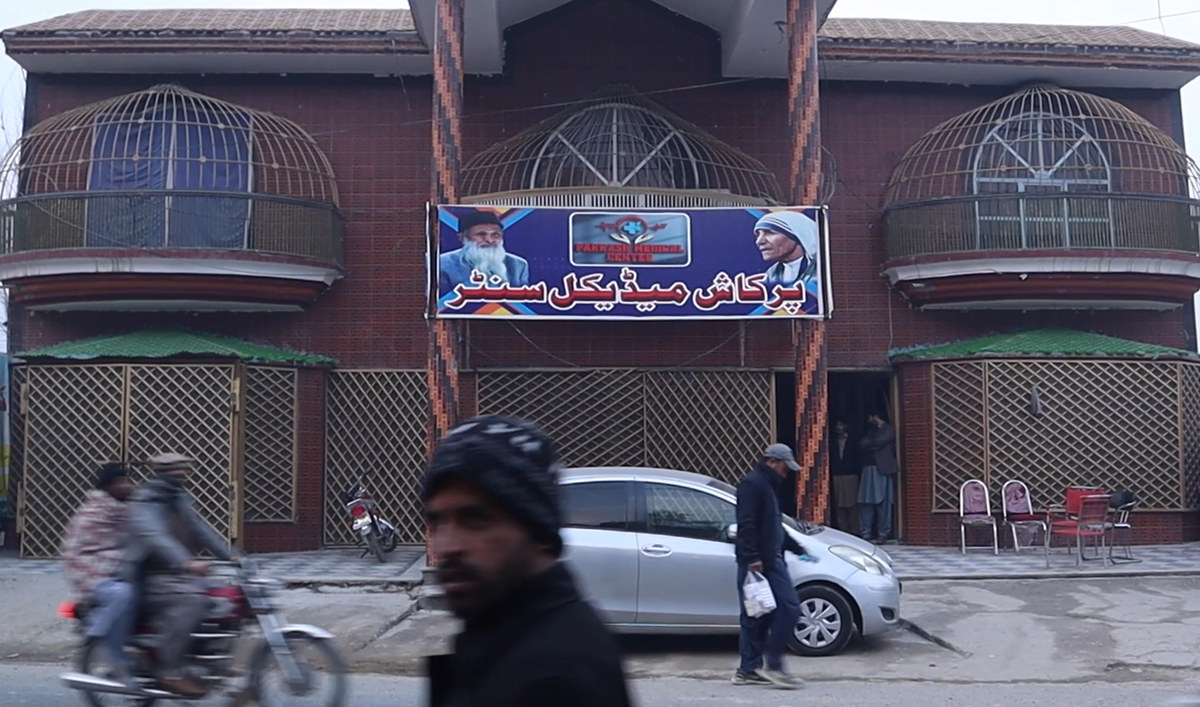
People walk past Dr. Saveera Parkash's medical facility, Parkash Medical Center, in Buner district on January 8, 2023. Parkash is the first female candidate from a minority community to run for a provincial assembly constituency from the Buner district of Khyber Pakhtunkhwa province. (AN Photo)
Asked about her inspiration to join politics, the young doctor named her father, Om Parkash, who remained active in the field for over 30 years, having dedicated himself as a PPP worker since student life. He was also the co-founder of the People Doctors Forum which strengthened the party’s overall political position in the area.
However, her father never participated in any election since he was a government employee who worked as a medical officer at Buner’s District Headquarters Hospital before retiring last year in January.
Aziz Buneri, a local journalist with an interest in provincial politics, said it was unprecedented for a woman belonging to a minority religious community to submit her nomination papers to contest general elections.
He noted women were criticized in Khyber Pakhtunkhwa for filing election nomination papers in the past due to the tribal outlook of people, though he maintained Parkash’s case was different.
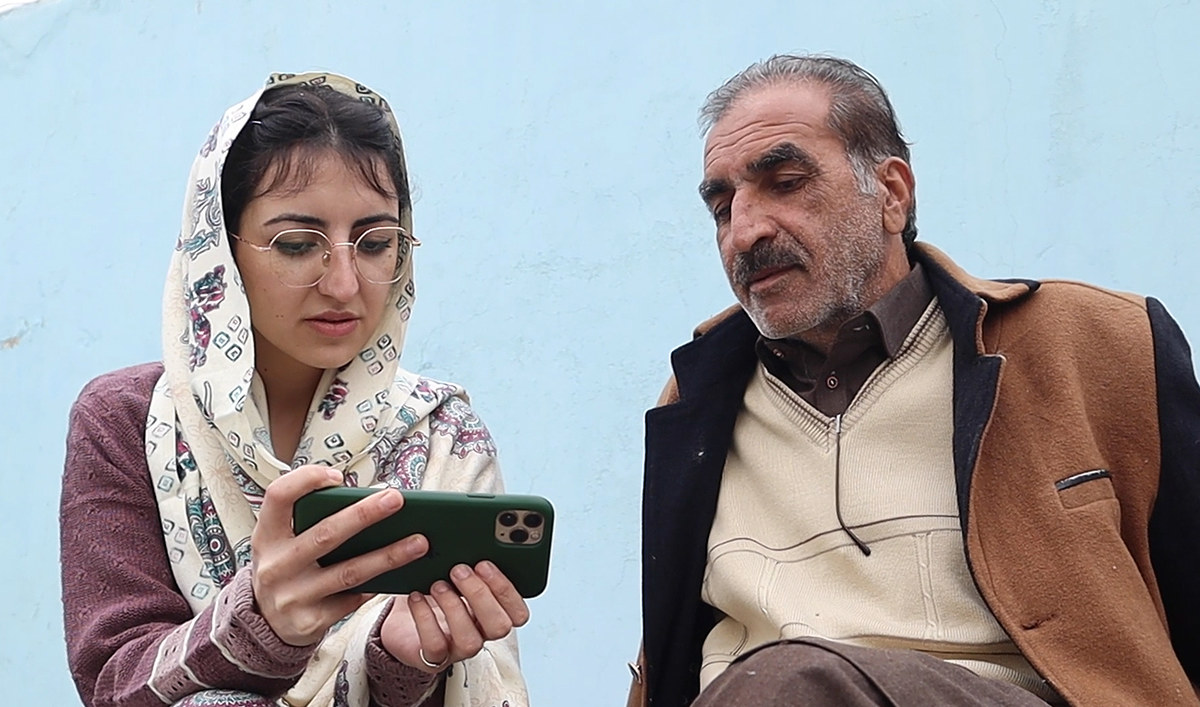
In this photo, Dr. Saveera Parkash (left) sits next to her father, Dr. Om Parkash, during an interview with Arab News in Buner on January 8, 2024. Parkash is the first female candidate from a minority community to run for a provincial assembly constituency from the Buner district of Khyber Pakhtunkhwa province. (AN Photo)
“Civil societies members, political parties and the youth have all appreciated Dr. Saveera Parkash and have shown immense admiration for her decision to submit nomination papers,” Buneri added.
The PPP candidate concurred with the assessment herself, saying she had an edge over others since many people were supporting her for being a woman from a minority community.
“They have accepted me quite openly,” she said. “Many of them call me ‘Daughter of Buner’ and have been supporting me like their own daughter or sister.”
Parkash said she personally did not consider herself to be a member of a minority community since she was born in a culturally and religiously diverse family, adding that her father identified himself as Sikh while her mother was a Christian from Kazakhstan.
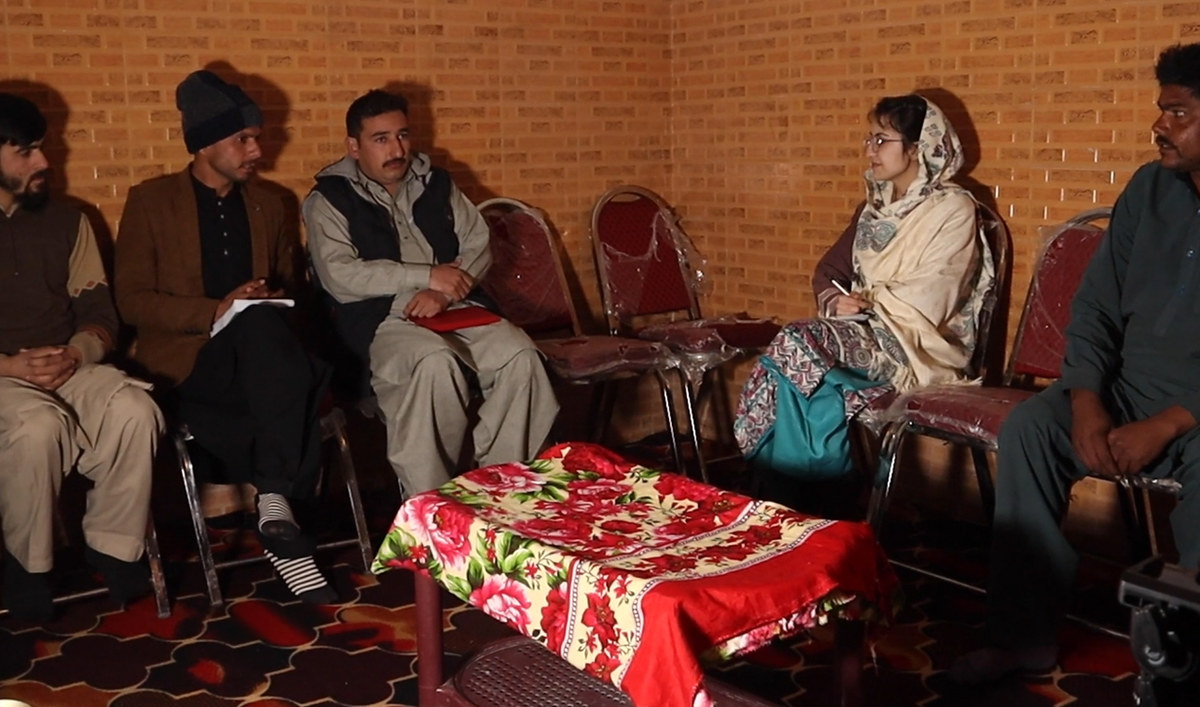
In this photo, Dr. Saveera Parkash (right) speaks to local residents during an interview with Arab News in Buner on January 8, 2024. Parkash is the first female candidate from a minority community to run for a provincial assembly constituency from the Buner district of Khyber Pakhtunkhwa province. (AN Photo)
“My parents have taught me to serve humanity,” she continued. “I don’t want to be categorized as part of a specific religion. I respect every faith.”
While the PPP has not won any seat from Buner since the mid-1990s, the 25-year-old said people around her were so enthusiastic about her decision to contest the polls that she felt she had already won the elections.
In response to a question about her decision to change her career path from a medical practitioner to a politician, she maintained it was hardly a shift.
“My cause remains the same,” she said while referring to her passion to work for people’s welfare. “As a doctor, I could only serve a few people. As a politician, I hope to serve many more.”


