Government launches Pakistan Startup Fund in major boost for entrepreneurs

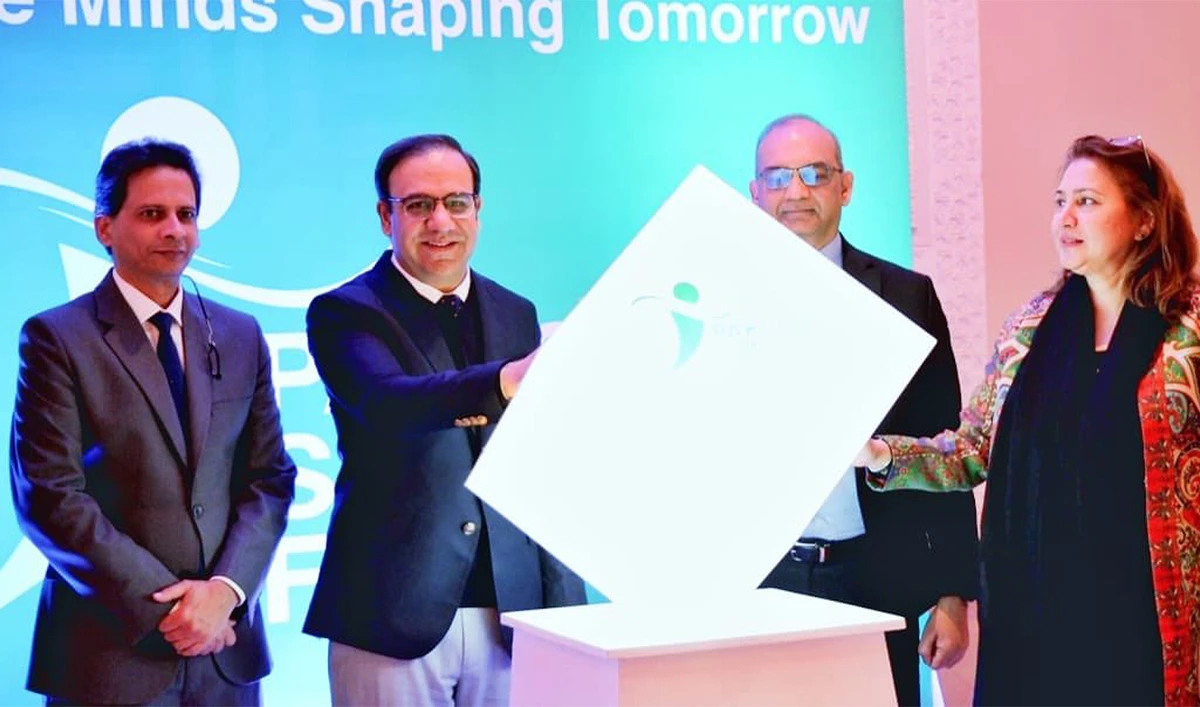
Pakistan's IT minister Dr Umar Saif (second from left) is pictured during the launch ceremony of Pakistan Startup Fund in Islamabad, Pakistan, January 9, 2024. (Government of Pakistan)
Short Url
Updated 09 January 2024
Follow

Government launches Pakistan Startup Fund in major boost for entrepreneurs

  • Pakistani startups raised over $70 million in 2023, marking a significant decline of over 70 percent compared to preceding two years
  • Caretaker IT Minister says government hopes to create value of at least Rs 50 Billion per year in Pakistan’s startup ecosystem

ISLAMABAD: The government launched the Pakistan Startup Fund (PSF) today, Tuesday, which aims to invest Rs2 billion per year in startups, Caretaker Information Technology Minister Dr. Umar Saif said after a dismal year for entrepreneural activities in the country.  

According to Saif, the PSF is structured as an equity-free capital that would help close a venture capitalist (VC) round for a startup and help it raise its first external investment. 

The development takes place after an unimpressive year for Pakistani startups. In 2023, they raised over $70 million, according to independent monitoring firms, marking a significant decline of over 70 percent compared to the major funding influx in 2021 and 2022. 

“Today we launched the Pakistan Startup Fund (PSF) which will invest up to Rs 2 Billion every year in Pakistani startups,” Saif wrote on social media platform X, formerly Twitter. 

“If you are a startup in Pakistan and a foreign VC is evaluating your startup for a $1 million investment, the VC only needs to invest $700k — the Pakistan Startup Fund will give you a grant of $300k to help close the round.”

Saif assured startups that the government would not acquire any shares or a board position in exchange for the funding. He said the PSF is designed to lower the risk for international investors to invest in Pakistani startups. He added that once the government issues the funds to startups, “we won’t hassle you at all.”

“With PSF we hope to create a value of at least Rs 50 Billion per year in the startup ecosystem in Pakistan,” he wrote. 

Pakistani funding monitors last week expressed optimism about 2024, expecting a more promising year for local startups after general elections are held in the country. 

They noted that Pakistan’s ongoing economic recovery and the announcement of elections have restored investor confidence, which is expected to boost the country’s startup ecosystem.


Pakistan launches $136 million Ramadan relief package for 12.1 million families

Updated 8 sec ago
Follow

Pakistan launches $136 million Ramadan relief package for 12.1 million families

  • Rs13,000 per family to be transferred via bank accounts, mobile wallets under cashless system
  • Pakistan’s national space agency says the Muslim fasting month is likely to begin from Feb. 19

ISLAMABAD: Prime Minister Shehbaz Sharif on Saturday launched a Rs38 billion ($136 million) Ramadan relief package, pledging direct digital cash transfers of Rs13,000 ($47) each to 12.1 million low-income families across Pakistan.

Pakistan’s national space agency announced a day earlier the Ramadan crescent would likely be visible on Feb. 18, with the first fast expected to fall on Feb. 19, subject to official confirmation.

The government will distribute the relief package through bank accounts and regulated mobile wallet platforms, fully replacing the previous utility store-based subsidy model with a digital payment mechanism overseen by the State Bank of Pakistan.

“This year, Rs38 billion have been allocated ... that will not only be distributed to the rightful people in all four provinces, but also to Gilgit-Baltistan and Azad Kashmir through these wallets and digital bank accounts,” the prime minister said during a ceremony in the federal capital, adding that 12.1 million families would benefit.

The allocation marks a sharp increase from last year’s Rs 20 billion ($72 million) Ramadan program, as the government expands coverage and deepens its shift toward cash-based targeted subsidies.

Officials said Rs28 billion ($101 million) has been earmarked for families not currently receiving support under any federal income assistance program, while an additional Rs10 billion ($36 million) will go to those already registered under existing social protection schemes.

Syed Imran Shah, federal minister for poverty alleviation and social security, said the digital framework would allow transfers to be made in a “safe, effective and easy way,” reducing leakages and preserving beneficiaries’ dignity by eliminating long queues and physical distribution centers.

Amir Ali Ahmed, secretary of the Benazir Income Support Program (BISP), said the 2026 rollout builds on last year’s digital transition, when around two million beneficiaries received payments electronically.

A third-party validation report issued in December 2025 confirmed the transparency and operational effectiveness of the system, he added.

The prime minister said he would personally oversee periodic reviews of the program to ensure timely disbursement.

The government had scrapped the Utility Store-based Ramadan subsidy system last year, arguing that it led to quality concerns, long queues and administrative inefficiencies.

The digital transfer model aims to move toward a targeted subsidy regime aligned with broader efforts to expand financial inclusion and reduce cash-based leakages.