- Federal Union of Journalists, Association of Electronic Media Editors and News Directors, Council of Pakistan Newspaper Editors release joint statement
- Complain of pressure from state institutions, censorship, ban on coverage of political activities and court proceedings, pushing of biased news items
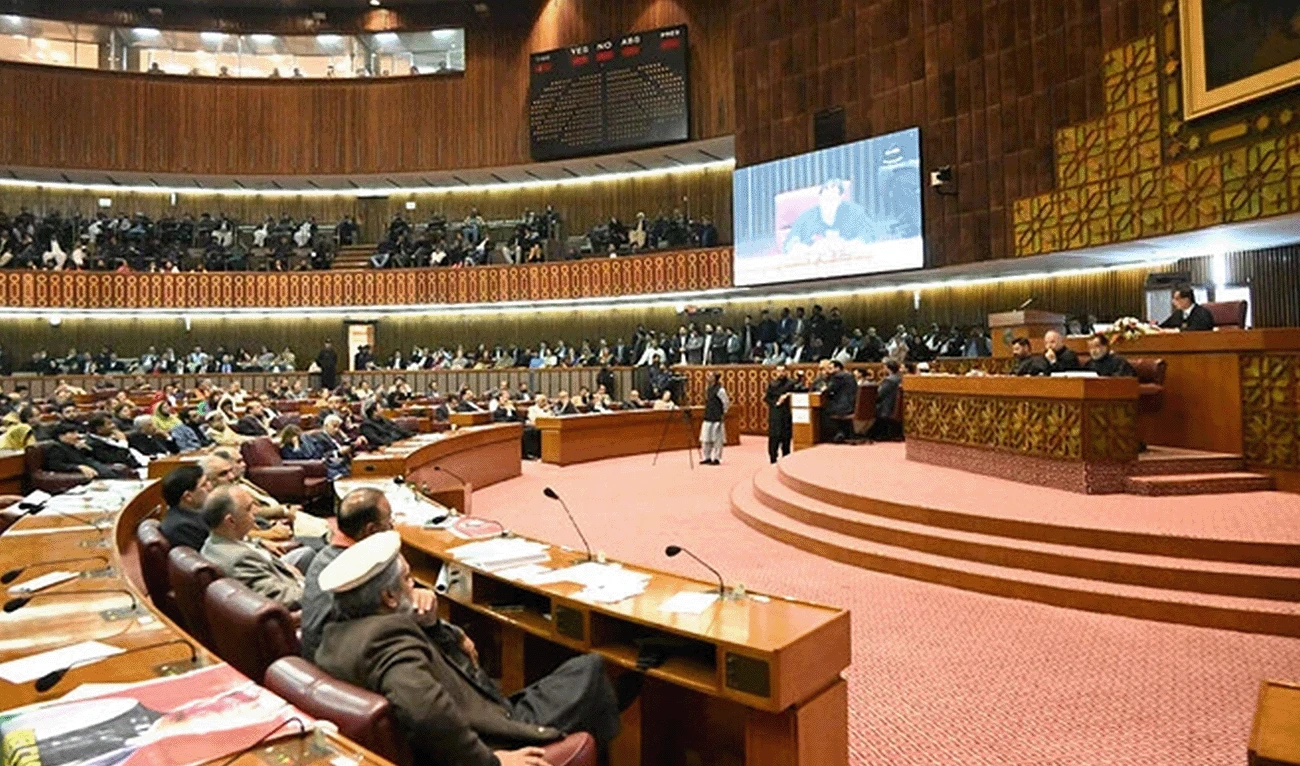
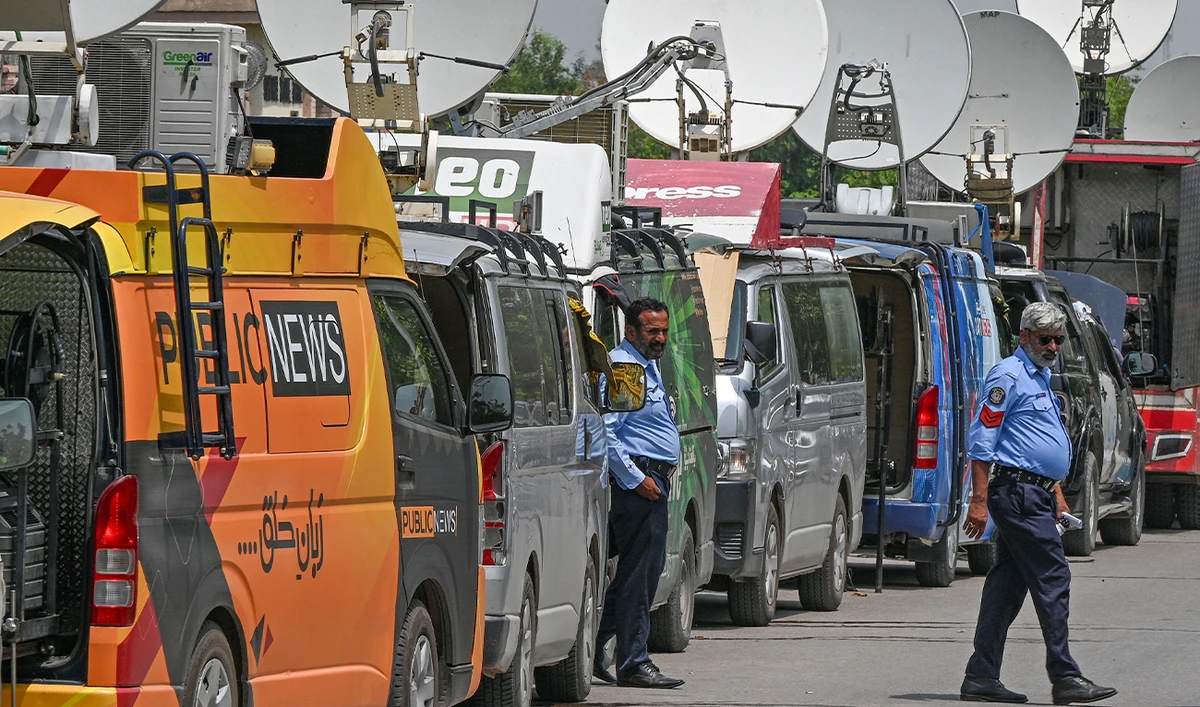
ISLAMABAD: The Pakistan Federal Union of Journalists (PFUJ), Association of Electronic Media Editors and News Directors (AEMEND) and Council of Pakistan Newspaper Editors (CPNE) released a joint statement this week calling on the judiciary and caretaker prime minister to intervene against what they called growing challenges like censorship and pressure on the media from state institutions.
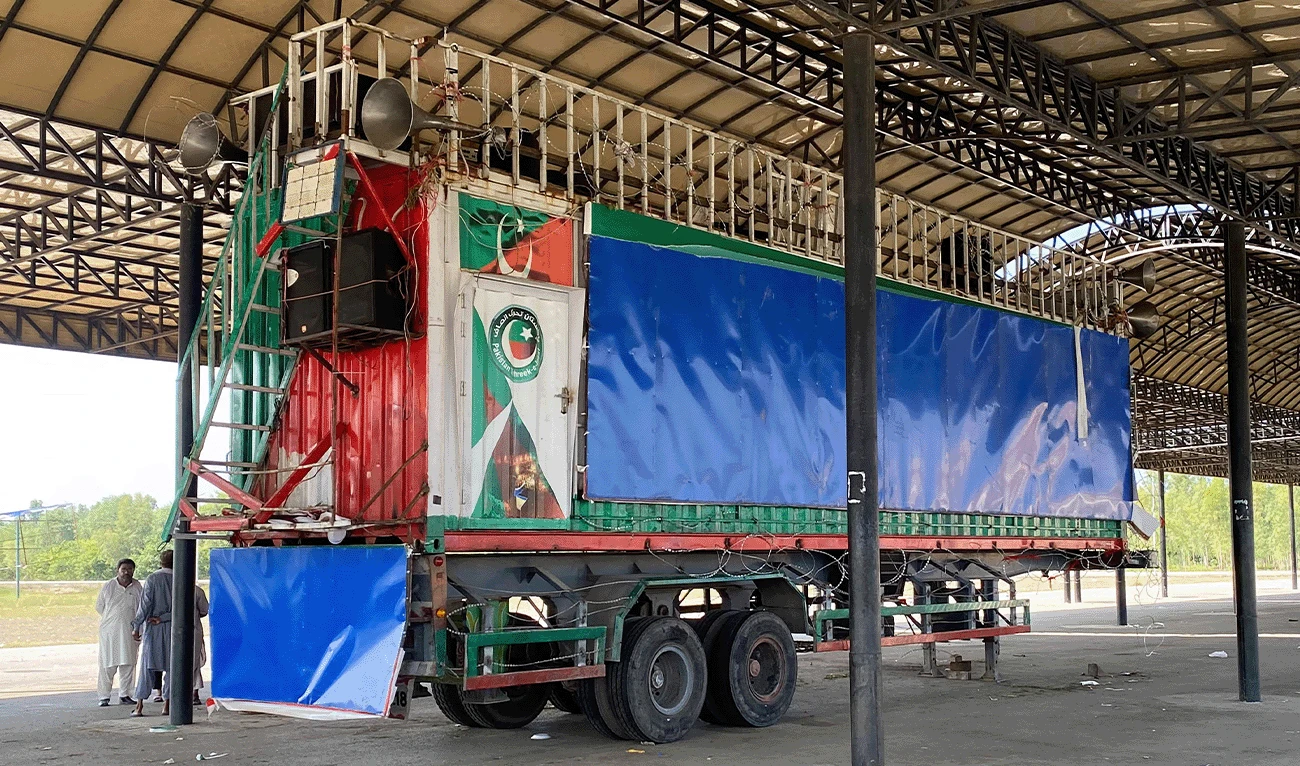
Pakistani Internet users nationwide complained of slow speeds and throttling, a technique telecoms regulators use to choke streaming on apps, as former Prime Minister Imran Khan’s Pakistan Tehreek-e-Insaf (PTI) party held a virtual rally last week. For the last many months, newspaper editors and top TV anchors and executives have complained that the industry was in disarray because of intimidation and government and army pressure, both of whom deny the charge.
A media crackdown that began after the ouster of Khan in April 2022 and his very public falling out with the all-powerful army has morphed into widespread self-censorship by journalists fearful of repercussions if they criticize the state’s policies.
Adding to the atmosphere of fear are widespread allegations of the political persecution of Khan’s PTI political party and its members, with close aides and hundreds of supporters behind bars. PTI, which won the last national election in 2018 that brought Khan to power for the first time, has said the houses of some of its candidates were raided this week, whie others were being blocked from filing nomination papers.
“The newspapers and news channels are facing several challenges including pressure from state institutions, illegal and undeclared censorship, insistence upon propagation of material of liking and ban on coverage of political activities and court proceedings,” the joint statement by media bodies said on Thursday.
It demanded that Supreme Court Chief Justice Qazi Faez Isa and Caretaker Prime Minister Anwaar-ul-Haq take notice of the situation and take “every possible action” to ensure freedom of expression.
Growing media censorship is worrisome ahead of general elections in Pakistan on Feb. 8. A report released by the US-based Committee to Protect Journalists (CPJ) ahead of the last elections alleged that Pakistan’s military was using fear and intimidation to stifle the media and undermine press freedom.
“The military has quietly, but effectively, set restrictions on reporting: from barring access to regions ... to encouraging self-censorship through direct and indirect methods of intimidation, including ... allegedly instigating violence against reporters,” the CPJ said in the report, written after interviews with journalists, editors and media groups in five Pakistani cities in February in 2018.
Caretaker Information Minister Murtaza Solangi has repeatedly said in recent weeks the media is free to cover elections and give airtime to all political parties, including Khan’s PTI.