

Egypt raises $800m from hotels in divestment drive, PM Mostafa Madbouly reveals

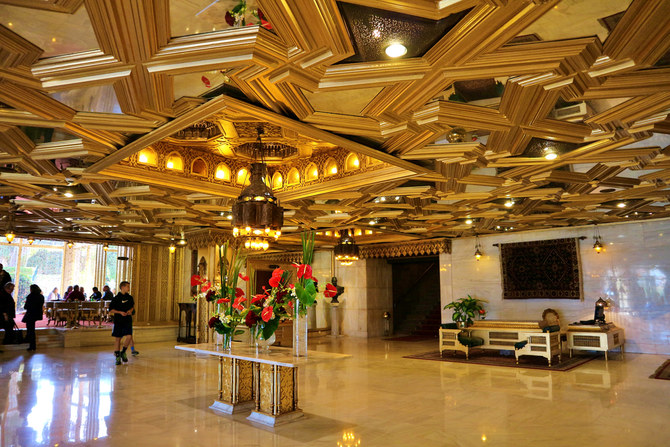
The Mena House hotel in Cairo is one of those included in the deal. Shutterstock.
Short Url
Updated 21 December 2023
Follow

Egypt raises $800m from hotels in divestment drive, PM Mostafa Madbouly reveals

CAIRO: Egypt’s sovereign wealth fund has signed an $800 million deal to sell a stake in seven prominent hotels to the country’s Talaat Moustafa Group in its drive to raise funds and foreign currency, Prime Minister Mostafa Madbouly has announced, according to Reuters.

Revenues from selling stakes in state assets have reached $5.6 billion so far, said Madbouly, whose government is grappling with a long-running shortage of foreign currency and a rising debt burden. He provided no breakdown of the revenues.

The stake sales, which some expect to accelerate after a presidential election earlier this month, are seen as crucial to Egypt’s chances of easing prolonged pressure on the Egyptian pound, attracting badly needed dollars, and launching economic reforms under an International Monetary Fund loan program.

The program to offload assets has stumbled in the past, and the state and military retain a dominant position in the economy.

Under the deal for the portfolio of hotels, TMG acquired a 39 percent stake with the right to raise the share to 51 percent, the cabinet said in a statement.

Hisham Talaat Mostafa, CEO of TMG, told Reuters that other, international investors would increase the capital of the TMG holding company. “We are going to present that on the closing of the deal with all the details. It will take like another two or three weeks to have these details.”

Under the deal, an international investor will buy a minority $882.5 million stake in TMG’s hospitality company ICON, which in turn is buying the $800 million stake in the state-owned group that owns the seven hotels, according to a TMG press release.

The hotels, among Egypt’s grandest, include the Cataract in Aswan, the Winter Palace in Luxor, the Mena House in Cairo and the Cecil in Alexandria, all built in the late 19th or early 20th centuries.

The government, along with the International Finance Corporation, has conducted preliminary studies on the divestment of 50 companies, with priority given to specific sectors such as airports and telecommunications.

A $3 billion financial package reached with the IMF a year ago faltered after Egypt failed to let its currency float freely or make progress on the sale of state assets. The IMF has delayed disbursements of about $700 million due in 2023.

Yet the IMF this month said it was in talks to expand the package due to economic risk from the Israel-Hamas conflict, and has appeared to shift its emphasis from the exchange rate to inflation targeting.

“Talks with the IMF have not stopped,” Madbouly said, adding that they are working on a new timeline that would be announced soon. 


Saudi minister at Davos urges collaboration on minerals

Global collaboration on minerals essential to ease geopolitical tensions and secure supply, WEF hears. (Supplied)
Updated 20 January 2026
Follow

Saudi minister at Davos urges collaboration on minerals

  • The reason of the tension of geopolitics is actually the criticality of the minerals

LONDON: Countries need to collaborate on mining and resources to help avoid geopolitical tensions, Saudi Arabia’s minister of industry and mineral resources told the World Economic Forum on Tuesday.

“The reason of the tension of geopolitics is actually the criticality of the minerals, the concentration in different areas of the world,” Bandar Alkhorayef told a panel discussion on the geopolitics of materials.

“The rational thing to do is to collaborate, and that’s what we are doing,” he added. “We are creating a platform of collaboration in Saudi Arabia.”

Bandar Alkhorayef, Saudi Minister of Industry and Mineral Resources 

The Kingdom last week hosted the Future Minerals Forum in Riyadh. Alkhorayef said the platform was launched by the government in 2022 as a contribution to the global community. “It’s very important to have a global movement, and that’s why we launched the Future Minerals Forum,” he said. “It is the most important platform of global mining leaders.”

The Kingdom has made mining one of the key pillars of its economy, rapidly expanding the sector under the Vision 2030 reform program with an eye on diversification. Saudi Arabia has an estimated $2.5 trillion in mineral wealth and the ramping up of extraction comes at a time of intense global competition for resources to drive technological development in areas like AI and renewables.

“We realized that unlocking the value that we have in our natural resources, of the different minerals that we have, will definitely help our economy to grow to diversify,” Alkhorayef said. The Kingdom has worked to reduce the timelines required to set up mines while also protecting local communities, he added. Obtaining mining permits in Saudi Arabia has been reduced to just 30 to 90 days compared to the many years required in other countries, Alkhorayef said.

“We learned very, very early that permitting is a bottleneck in the system,” he added. “We all know, and we have to be very, very frank about this, that mining doesn’t have a good reputation globally.

“We are trying to change this and cutting down the licensing process doesn’t only solve it. You need also to show the communities the impact of the mining on their lives.”

Saudi Arabia’s new mining investment laws have placed great emphasis on the development of society and local communities, along with protecting the environment and incorporating new technologies, Alkhorayef said. “We want to build the future mines; we don’t want to build old mines.”