WASHINGTON: Developing countries spent nearly half a trillion dollars to service their external public and publicly guaranteed debt in 2022, draining funds from critical health, education and climate needs, and putting the poorest countries at increasing risk of “tumbling into a debt crisis,” the World Bank said on Wednesday.
In its latest International Debt Report, the bank said the debt-service payments — including principal and interest — rose 5 percent to a record $443.5 billion from a year earlier amid the biggest surge in global interest rates in four decades. It said the payments could shoot 10 percent higher in 2023-2024.
The 75 poorest countries were hardest hit, said the report, now in its 50th year. Their external public debt service payments reached a record $88.9 billion in 2022 and would surge by 40 percent over the 2023-2024 period. Their interest payments alone had quadrupled since 2012 to $23.6 billion, it said.
“This is the decade of reckoning,” World Bank chief economist Indermit Gill told Reuters in an interview. “Record debt levels and high interest rates have set many countries on a path to crisis,” he said, warning that continued high interest rates would push more developing countries into debt distress.
Gill said he was paying close attention to Ethiopia’s discussions with bondholders after a breakdown in talks over how long to extend the maturity and spread out repayments of its single $1 billion international bond maturing in December 2024.
“Ethiopia is like a canary in the coal mine,” he said. “It’s the biggest country that would default. That’s an important one. It’s one of the five biggest economies in sub-Saharan Africa.”
Ethiopia is careening toward default after it said last week it could not pay a $33 million bond coupon due on Monday.
Gill told reporters that steep debt servicing costs, high debt burdens and slowing growth in many countries raised concerns about a new debt crisis and the risk of contagion, but said he does not view that risk as “imminent.”
He said the situation would remain difficult for developing countries, with past experience indicating that interest rates were unlikely to come down “anytime soon” especially since supply shocks could jack up inflation again quickly.
Gill called for “quick and coordinated action” by debtor countries, private and official creditors, and multilateral financial institutions to improve transparency, develop better debt sustainability tools, and speed up debt restructurings.
African countries faced “another lost decade,” Gill told Reuters, noting they had seen no per capita income growth since 2014 on average.
The report said one in every four developing countries was now priced out of international capital markets and there had been 18 sovereign debt defaults in 10 countries over the past three years, more than in the past two decades combined.
Debt service payments consumed an ever-larger share of export revenues, with some countries now “just one shock away from a debt crisis,” Gill wrote in the report, noting that about 60 percent of low-income countries are already in or at risk of debt distress.
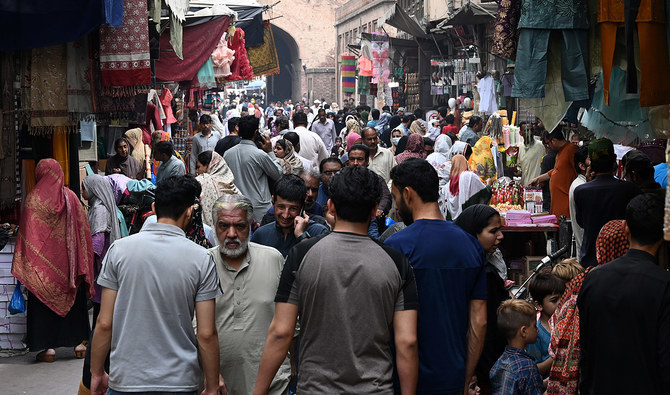
Domestic debt levels were also high in countries like Argentina and Pakistan, increasing risks. Countries that deferred making principal and interest payments under the Group of 20’s Debt Service Suspension Initiative (DSSI) adopted during the COVID pandemic also faced additional costs now that those payments were due, the bank said, although exact data won’t be reported until 2024.
The report noted private capital had largely withdrawn from developing countries, favoring higher interest rates in advanced economies. Private creditors received $185 million more in principal repayments than they disbursed in loans, the first time that was seen since 2015.
Overall, there was a net outflow of $127.1 billion from low- and middle-income countries to bondholders, compared to an average inflow of $202 billion from 2019-2021.
The World Bank and other multilateral creditors, helped fill the gap, providing a record $115 billion in new financing for developing countries in 2022, the report said.


![]()

Pakistan, other developing countries, spent record $443.5 bln to service public debts in 2022 — World Bank
Short Url
https://arab.news/cadh9
Pakistan, other developing countries, spent record $443.5 bln to service public debts in 2022 — World Bank
- Servicing external debts drains funds from critical health, education and climate needs, says World Bank report
- Continued high interest rates would push more developing countries into debt distress, says World Bank’s chief economist
Latest updates


© 2026 SAUDI RESEARCH & PUBLISHING COMPANY, All Rights Reserved And subject to Terms of Use Agreement.