

Diriyah’s Wadi Safar project introduced in support of Vision 2030

1 / 5
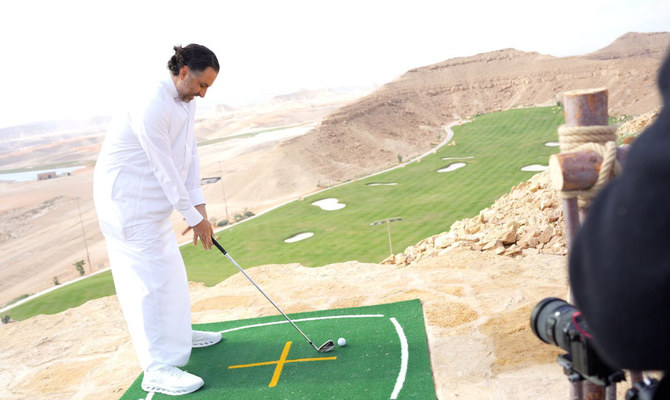
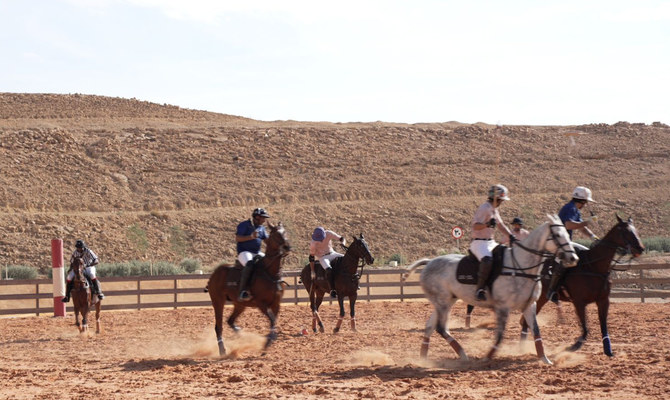
The Diriyah Gate Development Authority on Wednesday introduced the Wadi Safar project while showcasing plans in support of the Kingdom’s transformative Vision 2030. (AN photo by Loai El Kellawy)
2 / 5
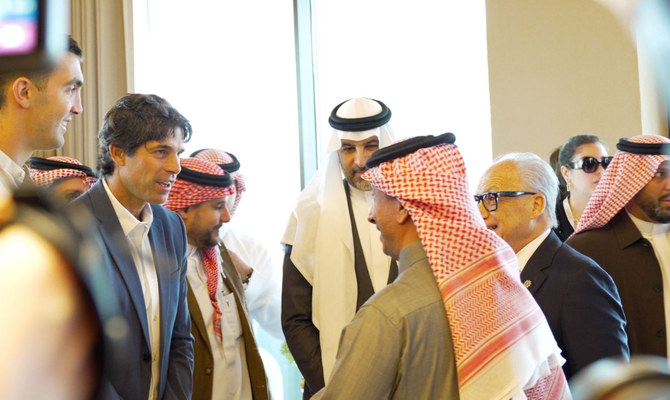
The Diriyah Gate Development Authority on Wednesday introduced the Wadi Safar project while showcasing plans in support of the Kingdom’s transformative Vision 2030. (AN photo by Loai El Kellawy)
3 / 5
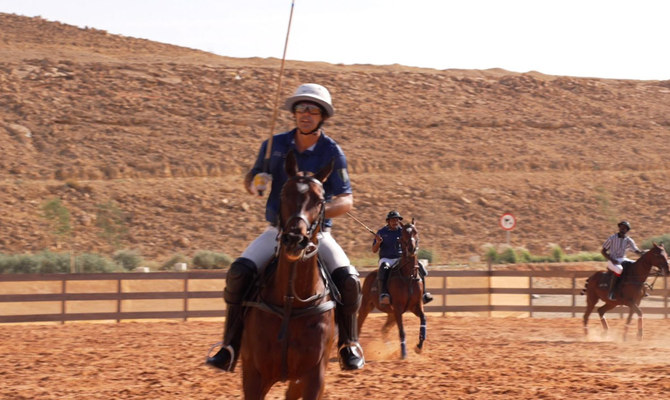
The Diriyah Gate Development Authority on Wednesday introduced the Wadi Safar project while showcasing plans in support of the Kingdom’s transformative Vision 2030. (AN photo by Loai El Kellawy)
4 / 5
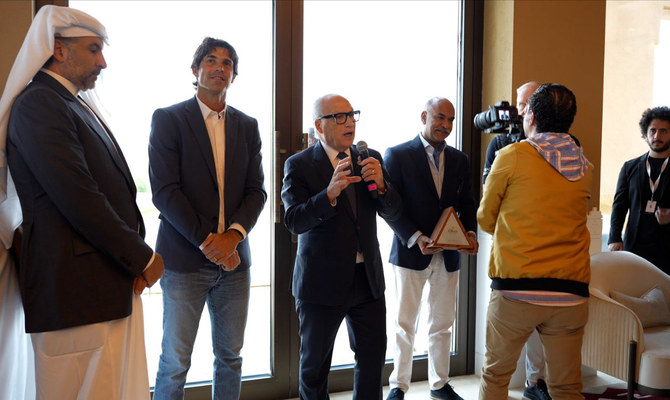
The Diriyah Gate Development Authority on Wednesday introduced the Wadi Safar project while showcasing plans in support of the Kingdom’s transformative Vision 2030. (AN photo by Loai El Kellawy)
5 / 5
The Diriyah Gate Development Authority on Wednesday introduced the Wadi Safar project while showcasing plans in support of the Kingdom’s transformative Vision 2030. (AN photo by Loai El Kellawy)
Short Url
Updated 16 December 2023
Follow

Diriyah’s Wadi Safar project introduced in support of Vision 2030

  • The gated community of Wadi Safar is set to become an oasis in the metropolis of Riyadh, in which three major resorts will be hosted: Six Senses, Aman, and Oberoi

RIYADH: The Diriyah Gate Development Authority on Wednesday introduced the Wadi Safar project while showcasing plans in support of the Kingdom’s transformative Vision 2030.

A number of distinguished guests attended Diriyah’s Bashayer event, where the project was announced.

The gated community of Wadi Safar is set to become an oasis in the metropolis of Riyadh, in which three major resorts will be hosted: Six Senses, Aman, and Oberoi.

Jerry Inzerillo, CEO of DGDA, told Arab News: “These are three spectacular resorts that, over the next few years, will open.

“We have the legend Greg Norman, who is also the CEO of LIV Golf, here to do an exhibit for all our guests today on the Greg Norman 27-hole championship golf course, thanks to the vision of His Excellency Yasir Al-Rumayyan,” he added, referring to the governor of Saudi Arabia’s Public Investment Fund.

“We also have the Argentine legendary Polo player, Nacho (Figueras). He is here to do an exhibit today to celebrate the groundbreaking of the Royal Diriyah Equestrian and Polo Club,” Inzerillo said.

In line with the Kingdom’s Vision 2030’s goal to make Saudi Arabia a global tourist destination, the DGDA has set a precedent for blending respect for heritage with forward-looking sustainable ventures through initiatives like Al-Bujairi Terrace, which has already become a major tourist attraction since its opening in 2022.

Six Senses Southern Dunes became the first hotel to open up at the Red Sea project, which takes pride in its homage to the region’s Nabataean architectural legacy in the Hijazi mountain’s desert escape. The brand will now venture into the center of the country.

Neil Jacobs, CEO of Six Senses, told Arab News: “Every property that we do, no matter where it is, has to feel very contextual. I want people to know, when they wake up, where they are.

“We’re absolutely delighted, one, to be in Saudi and, two, to be at Diriyah Gate, which speaks to the culture, the history, conservation — all the elements that really align with us as a company, particularly around our focus on sustainable developments and celebration of the countries that we operate in.”

Jacobs said there are plans to open four of their resorts in Saudi, and over 40 hotel brands will soon join Diriyah’s hospitality offering, including the Ritz-Carlton, Rosewood and Aman.

The DGDA is also dedicated to opening world-class sports and entertainment facilities, including the Royal Diriyah Golf Club and the Royal Diriyah Equestrian and Polo Club.

“I’m excited for what’s coming to the Kingdom for not just polo but all equestrian activities,” Figueras told Arab News. “I really believe in the connection that there is between the Arab community and horses. You guys have it in your blood, and you can see that.”

The player will be back in the country next month for the Richard Mille AlUla Desert Polo tournament.

The Bashayer event is a chance to explore and discover both Wadi Safar and Diriyah masterplans, from hotels and restaurants to museums and galleries, and marks a milestone for the company as it proceeds in its second phase of first-of-their-kind experiences in hospitality, culture, art, and entertainment and sport.

Diriyah is not only bursting with history, making it a UNESCO world heritage site, but also a “source of Saudi identity and our pride,” as Inzerillo said and the “birthplace of the nation.”

The Bashayer event will continue until Dec. 14 with more celebrations of Diriyah projects.


Minzal brings Saudi traditions to life in Diriyah

Updated 9 sec ago
Follow

Minzal brings Saudi traditions to life in Diriyah

  • From leather crafts and archery to Saudi coffee, Minzal offers a lesson in ‘Sloum Al-Arab’

RIYADH: This season of Minzal places social norms and traditional etiquette at its center, with tents set up to teach what is locally known as “Sloum Al-Arab” alongside gatherings for coffee, dinner and stargazing around campfires.

“Sloum Al-Arab” refers to the unwritten customers and values that have shaped Arab and Bedouin society for centuries, including generosity, coffee preparation, courage and archery. 

In Saudi Arabia, these traditions are closely ties to cultural identity and religious belief. 

Leather products and the making of leather goods is one of the crafts featured at Minzal this year and is one of the oldest crafts still practiced in the kingdom.

“The most difficult thing I faced to work on was camel leather because it is a little tough,” Nada Samman, a leather trainer and craftsman at Minzal, told Arab News. 

Minzal continues to evolve with each season, offering activities that highlight Bedouin values, traditional skills and sports. (AN photo by Haifa Alshammari)

“The work on leather is wonderful whether it is goat leather, cow leather, Sawakni sheep, and of course, camel leather. At Minzal, we are offering multiple handicraft workshops, most specifically the leather handicrafts. We want visitors to spend time at something useful and fun."

Samman explained the workshops allowed participants to preserve heritage while engaging in meaning, hands on activities. 

Faisal Al-Khaled, a visual artist and craftsman specializing in Saudi designs at Minzal, shared a similar goal: “I want people to have, by the end of this experience, a unique and traditional art piece created by them, and that I know I helped them to preserve this craft.”

Minzal, which has been organized for several years now, continues to evolve with each season, offering activities that highlight Bedouin values, traditional skills and sports. Archery is a key feature, reflecting its deep roots in Arab and Islamic history.

Mohammed Al-Sharif, a certified archery player and coach with the Saudi Archery Federation since 2028, said the sport was closely connected to Saudi culture. It was encouraged by the Prophet Muhammad, which led people to learn and teach it through generations.

“Our traditional bow is considered one of the most important and widely used bows in Arab culture,” Al-Sharif said. “We have several styles, and professional archers specializing in traditional bow shooting … There are various types of archery, such as horseback archery and standing archery, where bow sizes vary according to specific needs, such as types used for hunting and others used during warfare.”

He explained that archery was historically part of daily life, used for protection and hunting. 

Saudi coffee also plays a significant role in the Minzal experience, with live demonstrations. One of the most frequently consumed beverages in the Kingdom, it is a symbol of hospitality and generosity.

Ahmed Al-Shuaibi explained how it was prepared at the Sloum tent, first by roasting the beans and then allowing them to cool. The beans are ground with spices in a Nigr.

“Coffee is passed from our grandparents,” he added. “In significant majlis, you see them offering our local coffee and not other types of coffee. We organized this corner so that young generations can visit and learn this.”