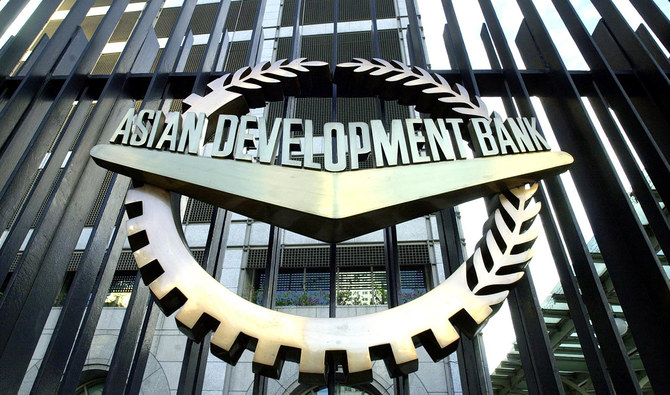
KARACHI: The Asian Development Bank (ADB) on Wednesday announced its decision to approve $659 million of financing to carry out development projects like rehabilitating schools damaged by the devastating August 2022 floods and enhancing agricultural productivity to improve food security in Pakistan.
Pakistan, a founding ADB member, has received more than $52 billion in public and private sector loans, grants, and other forms of financing from the bank to promote inclusive economic growth and improve the country’s infrastructure, energy security, transport networks and other social services.
The country has also grappled with major financial challenges in the last few years, with its current administration trying to revive the economy by seeking foreign direct investment in various sectors.
“This significant new wave of financing will help Pakistan recover from the impacts of last year’s cost-of-living crisis and super-floods and return to the path of long-term development that is sustainable and inclusive,” ADB Director General for Central and West Asia Yevgeniy Zhukov noted in a statement.
“This multifaceted approach is part of ADB’s strategic engagement in Pakistan and cohesively deploys our program lending and project investments to enhance support for Pakistan’s efforts to improve its economic situation and enhance the quality of life for its people,” he added.
The ADB statement hoped the new financing under the Improved Resource Mobilization and Utilization Reform Program will support Pakistan’s government to achieve economic growth that is sustainable, broad-based and inclusive.
“The $300 million policy-based loan will support the initiative’s first subprogram, which focuses on laying the foundation for reforms to policies, laws, and institutional capacity that will improve domestic resource mobilization and utilization,” the statement said. “The program is helping to transform tax administration, public expenditure management, and other institutional structures to strengthen resource mobilization including non-debt resources such as private investment and savings.”
It added that the ongoing Sindh Secondary Education Improvement Project would receive additional financing of $275 million emergency assistance loan that was part of ADB’s $1.5 billion pledge of support for Pakistan’s recovery from the devastating 2022 floods.
“The additional financing will help reconstruct up to 1,600 flood-damaged schools using disaster- and climate-resilient and gender-responsive designs,” it informed. “This will boost resilience and inclusivity in the education system in Pakistan, helping recovery of learning and earning losses especially for girls in the most disadvantaged and vulnerable districts of Sindh.”
It said a concessional loan of $80 million for the Khyber Pakhtunkhwa Food Security Support Project, which was also part of ADB’s $1.5 billion pledge of support for Pakistan’s recovery from the 2022 floods, would help address climate vulnerabilities, enhance food security, and boost the livelihoods of rural farm households in the most flood-damaged districts in the province.
“The project will provide essential agriculture inputs and training to smallholder farmers, including women, and improve household nutrition and women’s empowerment,” the statement noted. “It will also enhance digital access and availability, especially with regard to market opportunities and climate information.”


![]()

ADB approves $659 million to reconstruct flood-hit schools, improve Pakistan’s agricultural productivity
Short Url
https://arab.news/jhg2r
ADB approves $659 million to reconstruct flood-hit schools, improve Pakistan’s agricultural productivity
- The bank says fresh financing will support sustainable, broad-based and inclusive economic growth in Pakistan
- It plans to rebuild up to 1,600 flood-damaged schools using disaster- and climate-resilient architectural designs
Latest updates


Recommended


© 2026 SAUDI RESEARCH & PUBLISHING COMPANY, All Rights Reserved And subject to Terms of Use Agreement.