- The South Asian country has already received $60 of this amount, the IsDB president says
- Pakistan, Afghanistan are only two countries in world where polio continues to threaten lives
ISLAMABAD: The Islamic Development Bank (IsDB) has announced a $100 million loan to support Pakistan’s polio eradication efforts, the Pakistani health minister and the Bank said, on the sidelines of the ongoing COP28 United Nations climate summit in Dubai.
This loan builds on a previous support from the IsDB and includes a $35 million principal buydown from the Bill & Melinda Gates Foundation, according to an IsDB statement.
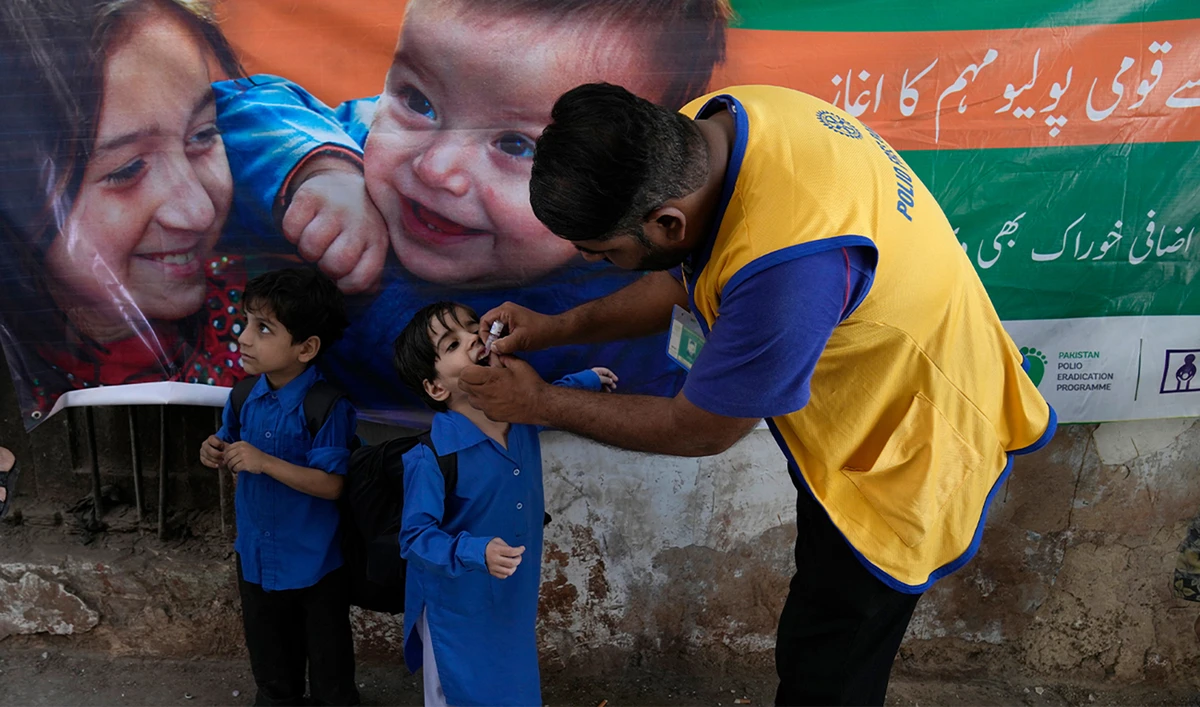
The new funding complements previous loans and will be used to secure and deliver millions of polio vaccines needed to protect all children across Pakistan against the debilitating yet preventable virus.
"I am very pleased to announce that the IsDB approved US$100 million financing in the 4th Phase of Polio Eradication Program for Pakistan in April 2023, which brings the IsDB total financing for Polio eradication in Pakistan to US$ 587 million, making the Bank one of the largest providers of finance to the national polio eradication program in Pakistan," IsDB President Dr. Muhammad Al-Jasser was quoted as saying in the statement.
"Under this latest phase, I am happy to note that US$60 million of this amount was disbursed in mid-November 2023. We and our partners remain committed and are working hard to win this battle against this disease. We really are at the last mile in this long journey as only 5 cases of wild poliovirus have been reported in the country in 2023.”
The IsDB president thanked the Pakistani government, Bill and Melinda Gates Foundation, UN International Children's Emergency Fund (UNICEF) and the World Health Organization (WHO) for their steadfast commitment to polio eradication.
Polio is a highly infectious disease caused by poliovirus mainly affecting children under the age of ten years. It invades the nervous system, and can cause paralysis or even death.
Pakistan and Afghanistan are the only two countries in the world where polio continues to threaten the health and well-being of children.
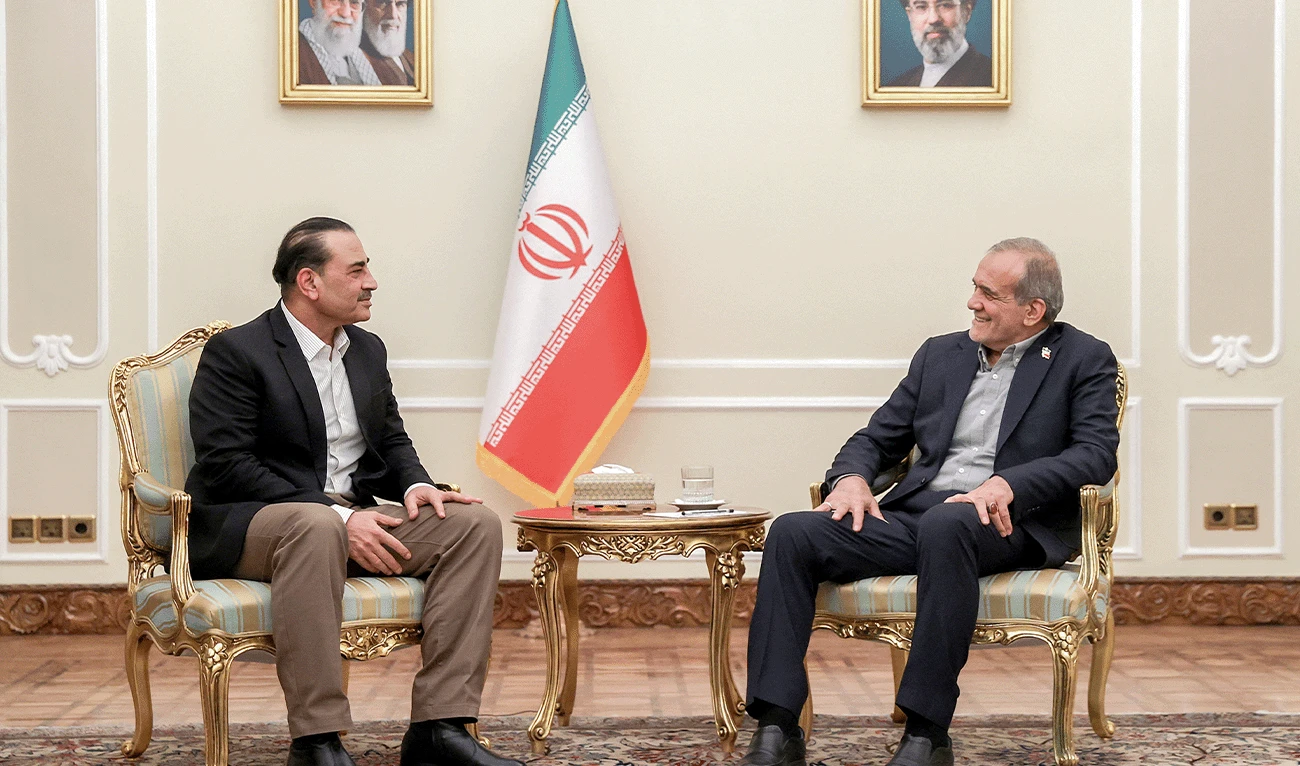
“We welcome the support of the IsDB and the Bill & Melinda Gates Foundation in contributing to the critical effort of ending polio in Pakistan,” Pakistan Health Minister Nadeem Jan said, addressing the ‘Reaching the Last Mile’ forum related to polio at COP28.
“Interrupting poliovirus transmission remains a core focus for the Government of Pakistan, and thanks to the heroic efforts of community health workers, global partners and contributors like the IsDB and the foundation, we have pushed the virus to the brink of eradication.”
An official of the Bill & Melinda Gates Foundation said they saw this loan as an important step forward for the eradication of polio in Pakistan.
“We are pleased to partner again with the IsDB and the Government of Pakistan to ensure funding opportunities to provide the needed resources to reach every child with polio vaccines,” said Chris Elias, president of the Global Development Division at the Bill & Melinda Gates Foundation.
“With continued support to health workers and the efforts from partners like the IsDB, I am confident we will end polio in Pakistan.”
The IsDB said this new loan would enable Pakistan's polio program to reach all children and communities with the life-saving vaccine.
"It will also help meet the country’s commitment of US$155 million towards its national polio program supported by the partners of the Global Polio Eradication Initiative (GPEI)," it added.