RIYADH: Saudi Arabia’s automotive companies will soon be able to expand their reach to global markets with the support from various initiatives taken by the local authorities, said a top government official.
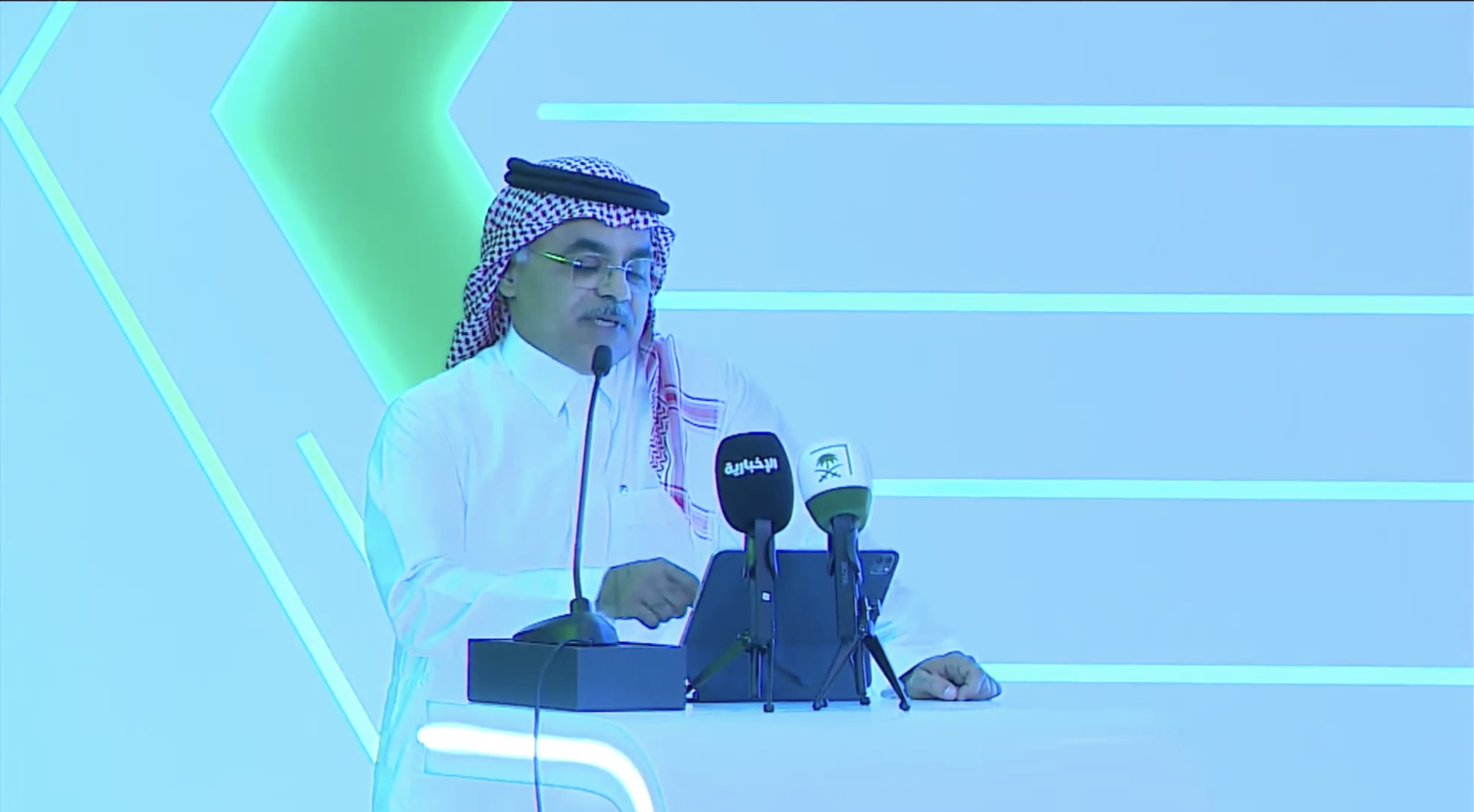
Speaking at the Auto Connect Forum in King Abdullah Economic City, National Industrial Development Center CEO Khalil Ibn Salamah said the Saudi Export Development Authority is working on plans to export Saudi-manufactured cars.
This move aligns with the Kingdom’s policy of developing new industries that attract international investments and create jobs for local talent while empowering the private sector.
He said the government is taking measures to help the local auto sector cater to the domestic demand but also to export their products to the regional and global markets.
Speaking about the forum, Saleh Al-Khabti, deputy minister of investment transactions, said it opened the door for several opportunities within the sector.
“Auto Connect Forum is not merely an event. It’s a platform that exemplifies the spirit of collaboration and partnership. Today, we gather to discuss the investment opportunities that foster collaboration,” Al-Khabti clarified.
During the event — touted as the first of its kind — the Economic Cities and Special Zones Authorities showcased how special economic zones accelerated the adoption of electric vehicles by providing a supportive environment and implementing advantageous policies.
The two-day exhibition will include many workshops and the organization of an accompanying conference that includes dialogue sessions on the future of the industry and promising opportunities in manufacturing automotive components.
Moreover, the conference, expected to attract more than 300 foreign and local companies in multiple sectors, seeks to back the goals of the Kingdom’s Vision 2030, aiming to establish an advanced industrial base and further propelling the automobile sector.
Saudi authorities to support local automotive firms expand globally
https://arab.news/wn2j7
Saudi authorities to support local automotive firms expand globally
Education spending surges 251% as students return from autumn break: SAMA
RIYADH: Education spending in Saudi Arabia surged 251.3 percent in the week ending Dec. 6, reflecting the sharp uptick in purchases as students returned from the autumn break.
According to the latest data from the Saudi Central Bank, expenditure in the sector reached SR218.73 million ($58.2 million), with the number of transactions increasing by 61 percent to 233,000.
Despite this surge, overall point-of-sale spending fell 4.3 percent to SR14.45 billion, while the number of transactions dipped 1.7 percent to 236.18 million week on week.

The week saw mixed changes between the sectors. Spending on freight transport, postal and courier services saw the second-biggest uptick at 33.3 percent to SR60.93 million, followed by medical services, which saw an 8.1 percent increase to SR505.35 million.
Expenditure on apparel and clothing saw a decrease of 16.3 percent, followed by a 2 percent reduction in spending on telecommunication.
Jewelry outlays witnessed an 8.1 percent decline to reach SR325.90 million. Data revealed decreases across many other sectors, led by hotels, which saw the largest dip at 24.5 percent to reach SR335.98 million.
Spending on car rentals in the Kingdom fell by 12.6 percent, while airlines saw a 3.7 percent increase to SR46.28 million.
Expenditure on food and beverages saw a 1.7 percent increase to SR2.35 billion, claiming the largest share of the POS. Restaurants and cafes retained the second position despite a 12.6 percent dip to SR1.66 billion.
Saudi Arabia’s key urban centers mirrored the national decline. Riyadh, which accounted for the largest share of total POS spending, saw a 3.9 percent dip to SR4.89 billion, down from SR5.08 billion the previous week.
The number of transactions in the capital settled at 74.16 million, down 1.4 percent week on week.

In Jeddah, transaction values decreased by 5.9 percent to SR1.91 billion, while Dammam reported a 0.8 percent surge to SR713.71 million.
POS data, tracked weekly by SAMA, provides an indicator of consumer spending trends and the ongoing growth of digital payments in Saudi Arabia.
The data also highlights the expanding reach of POS infrastructure, extending beyond major retail hubs to smaller cities and service sectors, supporting broader digital inclusion initiatives.
The growth of digital payment technologies aligns with the Kingdom’s Vision 2030 objectives, promoting electronic transactions and contributing to the nation’s broader digital economy.