- The hike comes as Pakistan braces for the first review of a $3 billion IMF short-term financing facility
- The Fund’s team is expected to visit the South Asian country for the review by the start of November
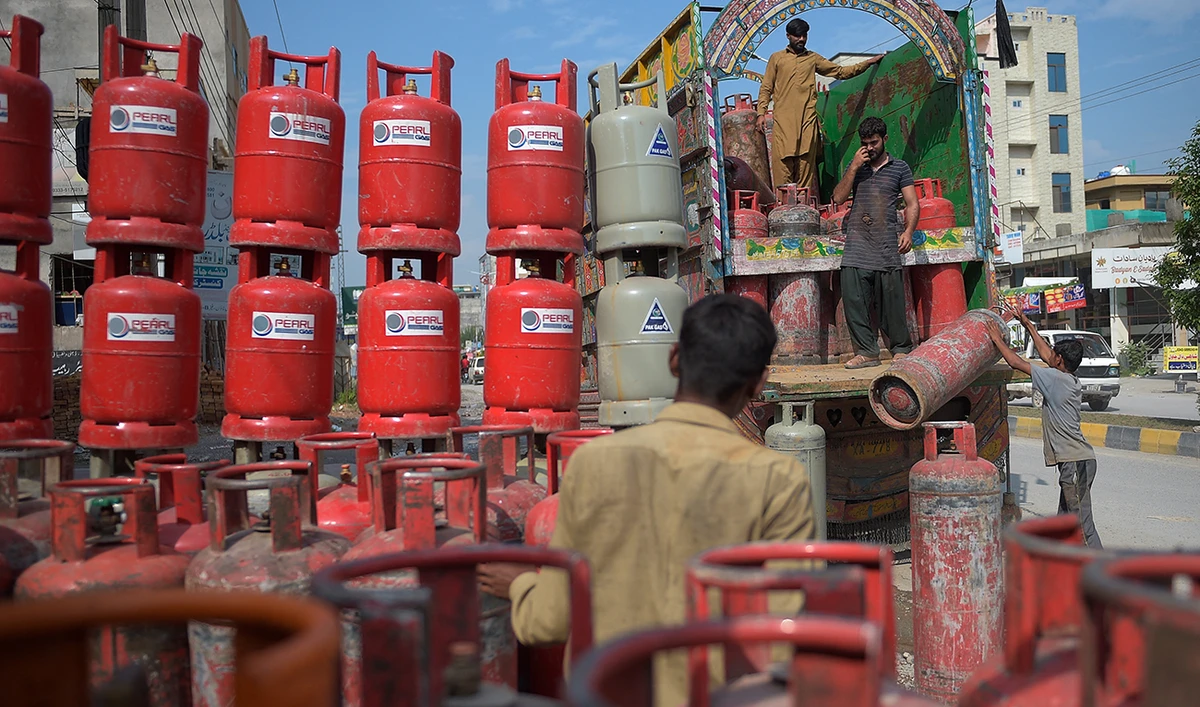
ISLAMABAD: The Pakistani government said on Monday it had approved a hike in gas prices for different categories of consumers, which would be effective from November 1.
The Economic Coordination Committee (ECC) of the federal cabinet had last week approved the increase in gas prices at a meeting chaired by Caretaker Finance Minister Dr. Shamshad Akhtar.
The move is likely to impact millions of people across the South Asian country, but the government said it was aimed at promoting “efficient use” of the scarce commodity.
“With aim to promote the efficient use of scarce commodity i.e. natural gas while keeping in view the sustainability and affordability, the Federal Government on Monday the 30th October, 2023 approved increase in price of natural gas for different categories of the consumers as advised by the OGRA with effective from 1st November, 2023,” the Petroleum Division said in a statement.
There has been no increase in tariff for the protected category (57 percent of the domestic consumers) however, the fixed monthly charge has been increased from Rs10 to Rs400 for this category, according to the statement.
The price of gas will be Rs2,100/mmbtu for export process industry, Rs2,400/mmbtu for export captive industry, Rs2,200/mmbtu for non-export process industry, Rs2,500/mmbtu for non-export captive industry, and Rs3,600/mmbtu for the CNG sector.
The hike in gas tariff comes as Pakistan braces for the upcoming first review of a $3 billion short-term financing facility it availed from the International Monetary Fund (IMF) to stave off a looming default in July this year. The Fund’s team is expected to visit the South Asian country for the review by the start of next month.
The IMF has frequently raised concerns over the country’s mounting circular debt in the energy sector, asking the government not to give any subsidies while calling for raised tariffs.
It is also pertinent to mention here that Pakistan’s oil and gas reserves have been fast depleting and are likely to be fully consumed in the next 15 years, according to the Pakistan Petroleum Information Services.
The country has not made any major new discovery of oil and gas reserves and the government has been looking for cheaper sources of energy imports to meet the growing demand.