- Pakistan, UAE’s Etisalat are in dispute over $800 mln payment from privatization of Pakistani telecom company
- IT minister says consultations are underway for rolling out 5G services in the country within the next 8 months
KARACHI: Pakistan would establish a specialized court within next two weeks for prompt resolution of disputes relating to the country’s telecom sector, Caretaker Information Technology (IT) Minister Dr Umar Saif said late Thursday, a move that has rekindled hopes for the resolution of $800 million payment dispute with Emirati telecom giant Etisalat.
The Telecom Appellate Tribunal for the Pakistani telecom sector will facilitate smooth and speedy adjudication of cases and help reduce burden on courts across the South Asian country, according to the minister.
The tribunal will help ensure speedy justice to telecom sector stakeholders in cases that have been pending for years.
“We are establishing Telecom Tribunal for reforms and resolution of disputes and cases in courts... the tribunal will be formed through an ordinance,” Saif said on the sidelines of an event in Karachi, in response to a query by Arab News about progress on a dispute between Pakistan and Emirati telecom giant Etisalat since 2005.
“The tribunal will be set up in the next two weeks. The tribunal would be a specialized court where telecom service providers’ disputes will be resolved so that these cases could not be delayed for years.”
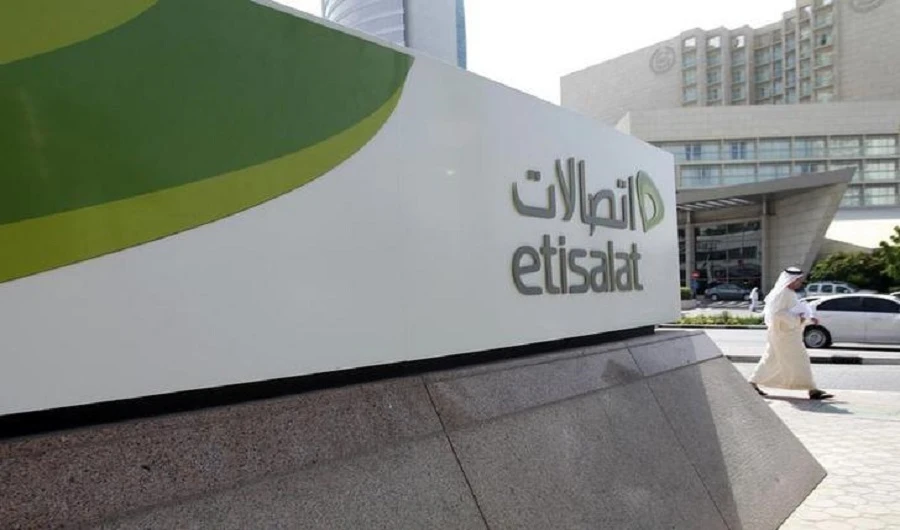
The establishment of the dispute resolution tribunal is likely to help resolve nearly two-decade-old dispute between the Pakistani government and United Arab Emirates-based telecom service provider, Etisalat, involving a pending $800 million bill from the privatization of the Pakistan Telecommunication Company Limited (PTCL).
An Etisalat consortium bought 26 percent stakes in PTCL for $2.6 billion in 2005 that gave the Emirati telecom giant majority voting rights. The UAE operator owned 90 percent of the acquiring consortium, giving it a 23.4 percent share in PTCL.
Etisalat paid an initial $1.80 billion as per the deal, which also included transferring ownership of the properties to PTCL from the government. It was due to pay the remaining $800 million in six twice-yearly instalments of $133 million, however, the UAE telecom giant withheld the payment due to the dispute over mutation of some 34 out of 3,500 properties destined for PTCL.
Pakistani officials have said in the past that the remaining properties could not be handed over due to ownership complications and the value of these properties would be deducted from the amount Etisalat owes. The dispute remains unresolved since 2005.
Saif called the establishment of the tribunal a "big step" by the government and said the idea was being executed in a short span of time that would help the government improve telecom services.
About the launch of 5G services in the country, he said these services would be rolled out within the next eight months.
“When we joined the government, we announced that 5G service would be launched in 10 months so two months have gone and we are confident that the service will be launched in eight months through auction,” Saif replied.
The minister said an inter-ministerial advisory committee for 5G auction had been formed and approved by the federal cabinet, while consultants had been engaged to take forward the process.
“We have studied the global practice about the launch of 5G services, negotiating with telecom operators for more investment, improvement of required services, and providing quality service to people,” Saif said.
“For these, whatever measures are required at the government level are being taken on fast-paced basis.”
Speaking at the event earlier, the minister said IT companies had been allowed to retain 50 percent of their revenue in dollar accounts, while they would also be provided with corporate debit cards by banks to make international payments.