

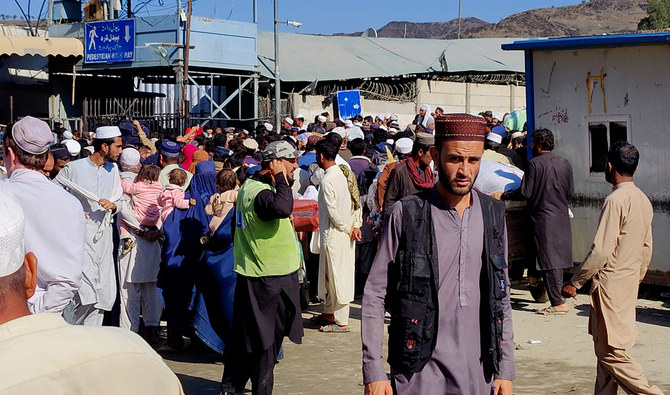

TORKHAM: As his family went to get their documents scanned at a center near Pakistan’s main border crossing with Afghanistan, Rehmatullah sat with their luggage inside a truck. Sipping tea and preoccupied with thoughts, he was one among many in Torkham waiting to cross the border into a land they had never called home: Afghanistan.
Hundreds of trucks carrying pieces of luggage of Afghan men, women and children were parked a few kilometers from the Torkham border in northwestern Pakistan’s Khyber district.
The border has been a busy one over the past few days, with many Afghan nationals using it to cross into Afghanistan since Pakistani authorities issued an ultimatum to illegal immigrants earlier this month: leave by Nov. 1 or face deportation.
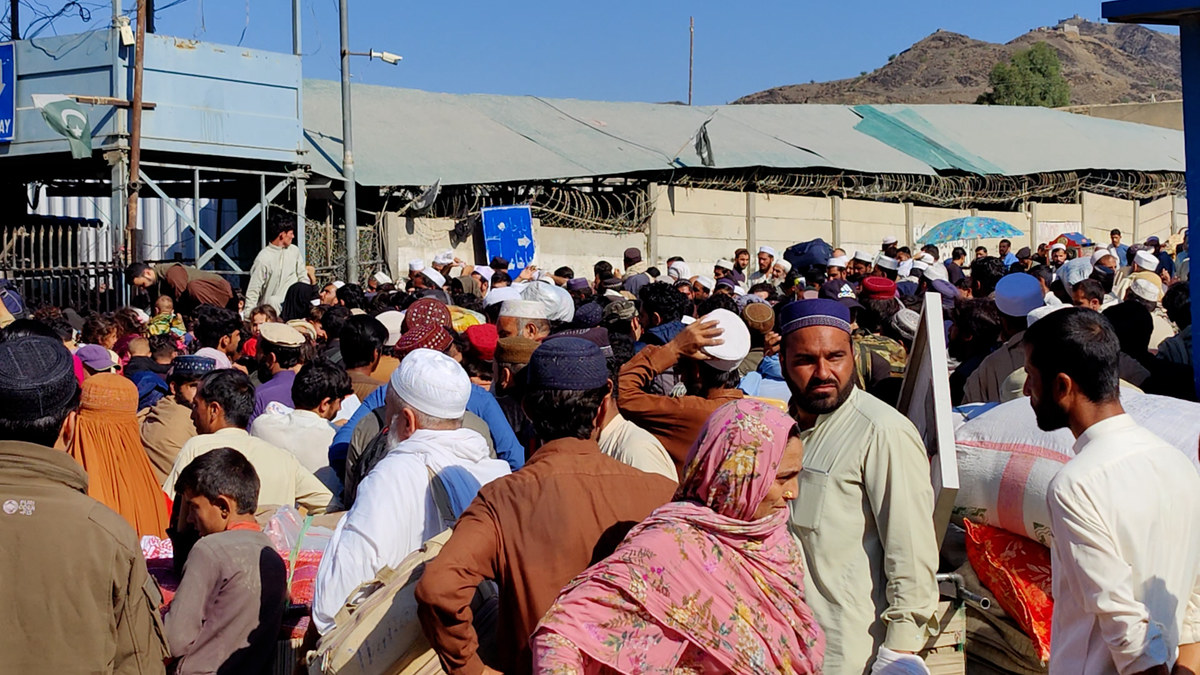
Afghan refugees are seen awaiting their turn to cross into Afghanistan at the Pakistan-Afghanistan border in Torkham, Pakistan, on October 19, 2023. (AN Photo)
That creates problems for many Afghans in Pakistan like Rehmatullah, 27, who have never been to Afghanistan. Born in Rawalpindi, he referred to Pakistan as his homeland.
“This is the first time in my life I’m going to Afghanistan, and that too because we are forced to,” he told Arab News. “Now, leaving here feels like I’m leaving my own village, my own country.”
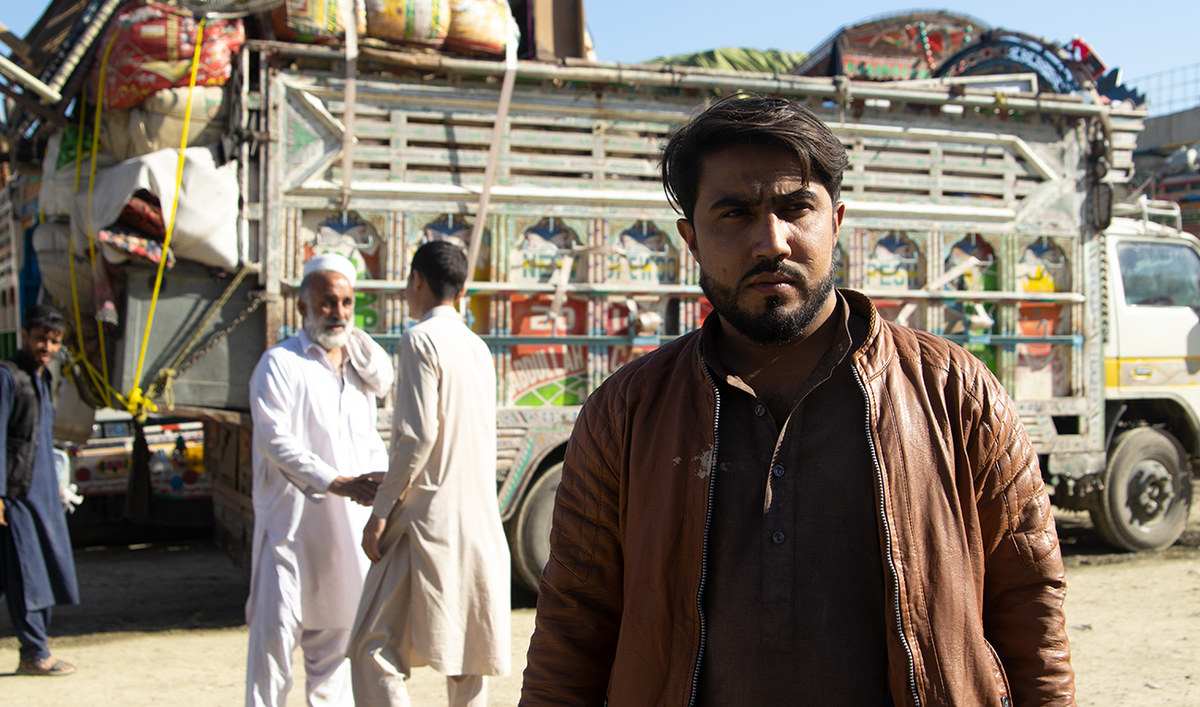
Rehmatullah Khan, an Afghan national, stands near a truck carrying his family's luggage near Torkham,Pakistan’s main border crossing with Afghanistan on October 19, 2023. (AN Photo)
Pakistan remains one of the world’s largest refugee host countries and has experienced multiple influxes of Afghan refugees. These span the period from the Soviet invasion of Afghanistan in 1979 to the Taliban takeover in 2021, after which some 600,000 Afghan refugees fled to Pakistan, according to the UN Refugee Agency. Before the Taliban takeover of Kabul, Pakistan was already hosting over 1.5 million Afghan refugees.
Rehmatullah’s family arrived in Pakistan around 48-49 years ago. A mechanic by profession, the Afghan national said his struggles in Pakistan have “gone to waste.”
“I have to go to Afghanistan and start a new life,” he lamented. “I have never been there before and I have no knowledge of the place.”
A recent surge in militancy and economic turmoil in Pakistan has made Islamabad wary of the presence of Afghan nationals in the country. Caretaker Interior Minister Sarfraz Bugti said earlier this month that of the 24 suicide blasts that have taken place in Pakistan since January, 14 were conducted by Afghans.
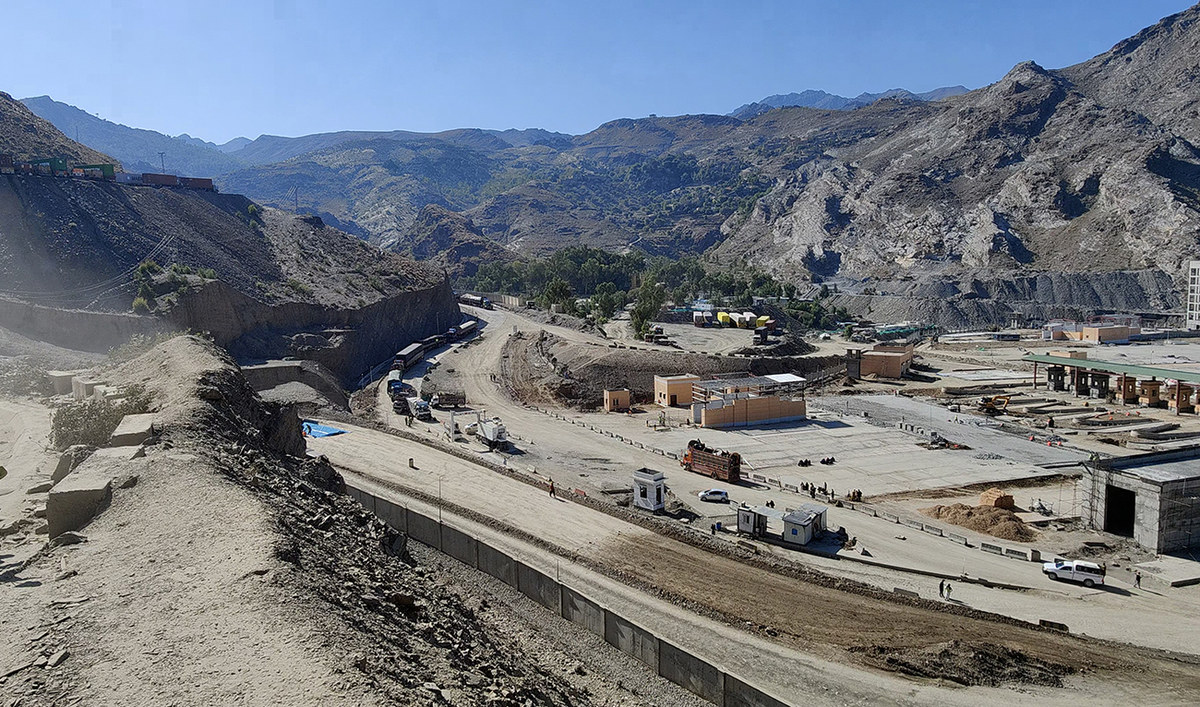
A view of trucks lined up to cross into Afghanistan at the border between Pakistan and Afghanistan at Torkham, Pakistan, on October 19, 2023. (AN Photo)
Pakistani authorities have clarified that only illegal immigrants, those without Afghan Citizen Cards (ACC) or Proof of Registration (PoR) documents, would be deported.
Rehmatullah, who neither possessed an ACC nor PoR card, said Afghan nationals who have legal documents allowing them to stay in Pakistan are also being targeted by authorities.
“They raided people’s houses, and a couple of houses in our neighborhood,” Rehmatullah said. “They told people to evacuate and leave.
“For a person, nothing is more important than dignity, so we thought it’s better to leave with dignity.”
UN Refugee Agency spokesperson Qaiser Afridi said Afghan nationals who have PoR cards and voluntarily choose to leave Pakistan are first provided $375 per head. Later, after arriving in Afghanistan, each family is given $700 when they spend three to four months in the country.
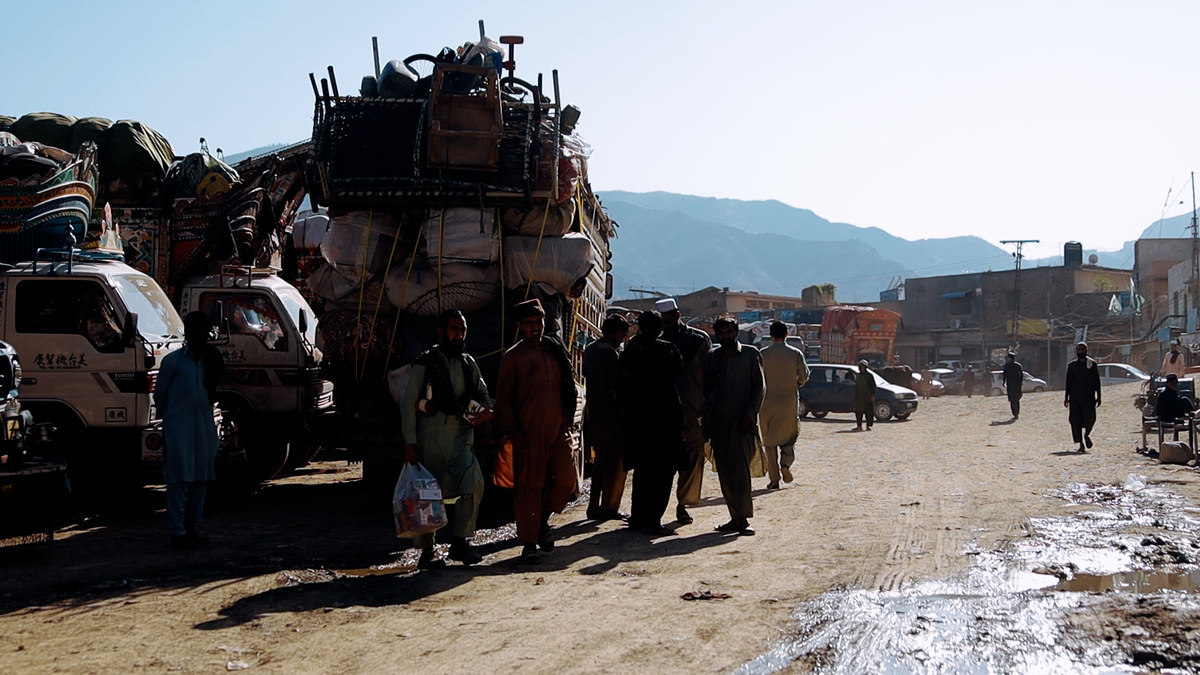
Afghan refugees stand next to trucks carrying their luggage as they wait for their turn to to cross into Afghanistan at the Pakistan-Afghanistan border in Torkham, Pakistan, on October 19, 2023. (AN Photo)
“This is our voluntary repatriation process; this is how we facilitate the return of PoR card holders,” Afridi told Arab News.
Afridi requested the Pakistani government to work on a “sustainable comprehensive mechanism” for Afghans who arrived in Pakistan after August 2021 and whose lives could be in danger if they returned to their country.
“Our stance is that the return should be voluntary, with dignity and with safety,” he said.
Muhammad Arif, 25, used to sell fresh fruit juices and milkshakes in the northwestern Pakistani city of Haripur. The Afghan national said he was compelled to leave after police and locals started harassing him and his family.
“The landlord told us to leave the house, claiming we didn’t have any documentation,” Arif told Arab News. “We showed the PoR cards we received in 2016.”
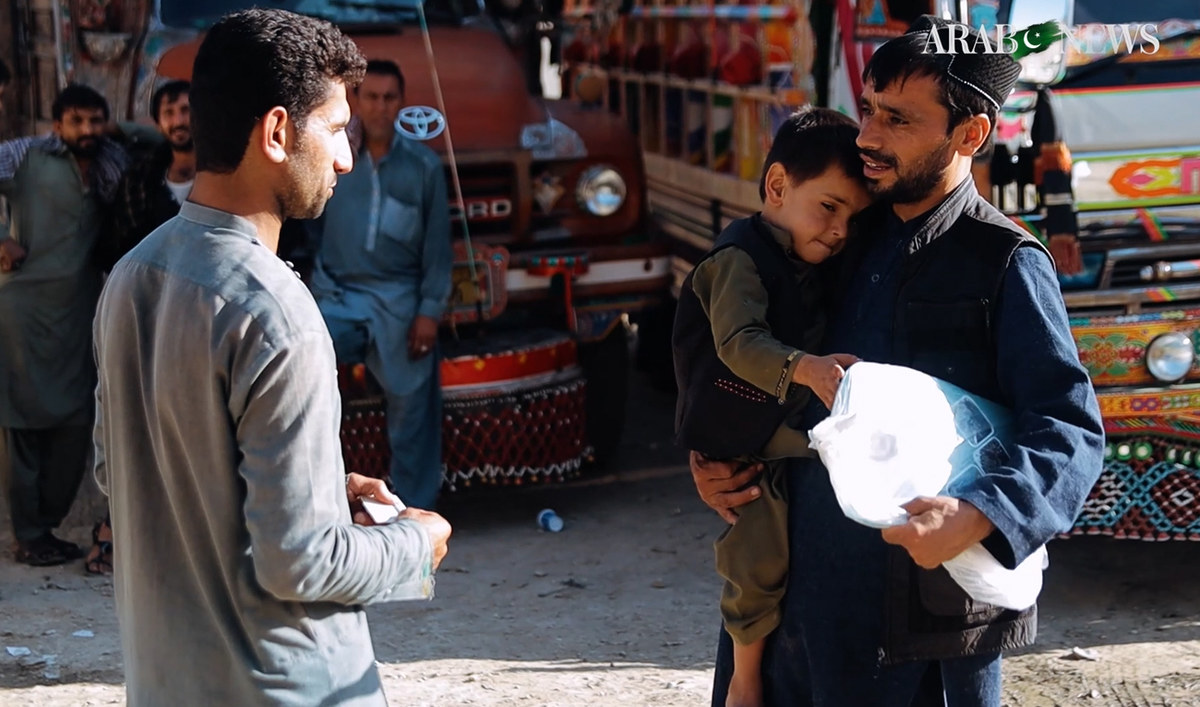
Muhammad Arif speaks with his brother as they wait for their turn to cross the border between Pakistan and Afghanistan at Torkham, Pakistan, on October 19, 2023. (AN Photo)
When he later went to Pakistan’s National Database and Registration Authority (NADRA), Arif was told his card had expired.
Rehmatullah said he tried to obtain a Pakistani identity card as he was born here, adding that he did not want an Afghan Citizen Card.
“If I have to live here in Pakistan as an Afghan, then it’s better that I return to Afghanistan,” he said.


