

Saudi citizen converts farm into rustic tourism haven

1 / 3
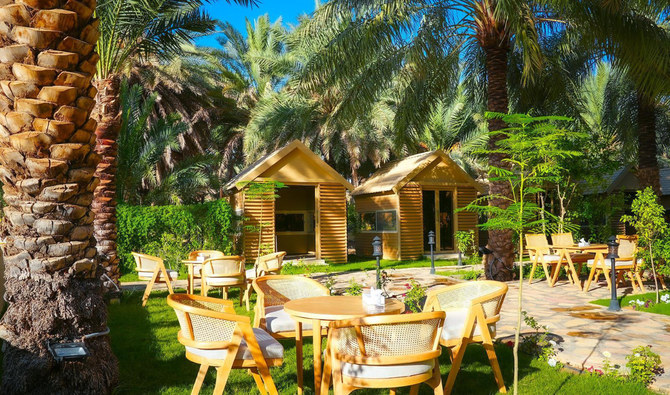
The scheme represents a milestone for Sakaka and, with nature’s bounty, palm groves, and a countryside ambience, creates a distinctive and memorable tourism experience. (SPA)
2 / 3
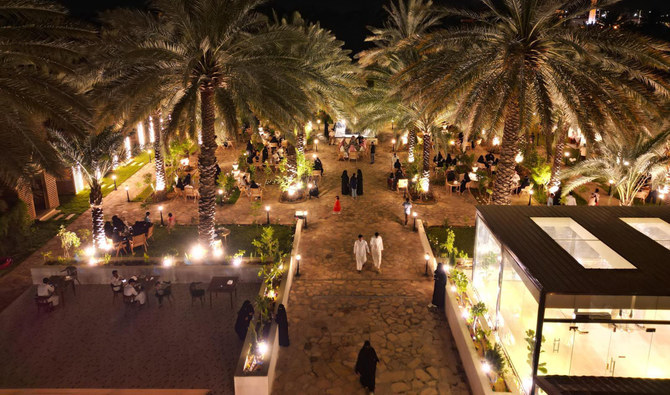
The scheme represents a milestone for Sakaka and, with nature’s bounty, palm groves, and a countryside ambience, creates a distinctive and memorable tourism experience. (SPA)
3 / 3
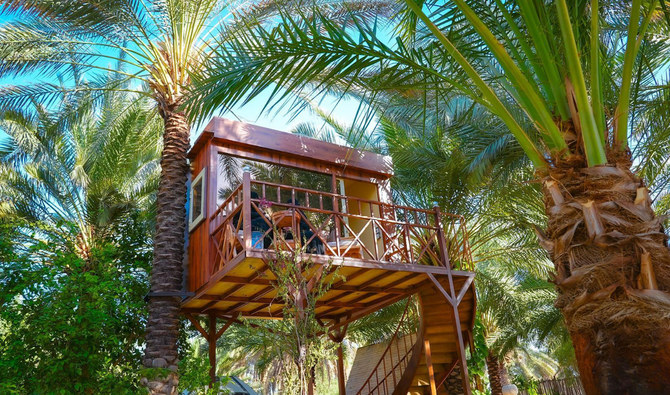
The scheme represents a milestone for Sakaka and, with nature’s bounty, palm groves, and a countryside ambience, creates a distinctive and memorable tourism experience. (SPA)
Short Url
Updated 19 October 2023
Follow

Saudi citizen converts farm into rustic tourism haven

SAKAKA, Saudi Arabia: A Saudi citizen’s entrepreneurial endeavor, which involved converting his neglected farm into a rustic tourism destination in Sakaka, has finally been realized.

Sultan bin Mamdouh Al-Owaish, a member of the Chamber of Commerce in Al-Jouf, has praised the concept of repurposing old farms into thriving business models.

He added that such projects were pioneering commercial initiatives that promised a unique tourist experience within the Al-Jouf region.

The scheme represents a milestone for Sakaka and, with nature’s bounty, palm groves, and a countryside ambience, creates a distinctive and memorable tourism experience.

The story behind the project begins with the citizen’s retirement and a visit to his family’s farm.

The vivid memories of childhood spent at the location cultivating palm and olive trees, and tending to fruit alongside his late father, rekindled his vision.

He set out to create a business model that would seamlessly blend with the environmental characteristics of the Al-Jouf region, which is celebrated for its moderate climate.

His aim was to provide visitors to Sakaka with a memorable experience.

Over an expanse of 4,000 square meters, the farm underwent an extensive transformation, while carefully preserving its trees.

Serpentine pathways, adorned with local Jandal stones, were meticulously laid out. Wooden seating arrangements and open-air spaces were thoughtfully constructed, while an assortment of delectable baked goods, a diverse breakfast menu, and traditional Saudi coffee and tea were offered to visiting guests.

The countryside project, which was unveiled just a few days ago, immerses visitors in the stunning beauty of nature, and boasts rustic seating, wooden huts with large glass windows, and scores of mango, orange, and tangerine trees, palm groves and aromatic plants.

Al-Jouf region boasts a total of 6,716 agricultural holdings, according to the Ministry of Environment, Water, and Agriculture. These produce an array of foods, most notably dates, olives, fruit, and vegetables.


Misk youth delegates take Saudi voices to the global stage at WEF in Davos

Updated 10 sec ago
Follow

Misk youth delegates take Saudi voices to the global stage at WEF in Davos

  • Three delegates from the foundation speak to Arab News about their journeys with Misk and how their trip to Davos has increased their passion for making a difference

DAVOS: Saudi youth delegates from the Misk Foundation have been taking part in this year’s World Economic Forum in Davos, positioning the Kingdom’s next generation of leaders at the heart of global discussions on economic transformation, innovation and future decision-making.

Three delegates from the foundation spoke to Arab News about their journeys with Misk and how their trip to Davos has increased their passion for making a difference.

Abdulaziz Al-Jaloud, a member of the Misk youth delegation, said his journey began through the foundation’s leadership programs, which focus on equipping young Saudis with the skills and confidence to represent the Kingdom internationally.

“Part of my journey through Misk was joining the United Voices and the Fellowship programs,” he said. “The fellowship helps equip you to become a future leader, and the United Voices program helps you be a representative for Saudi Arabia in global events.”

In Davos, Al-Jaloud said the experience has been defined by exposure and engagement rather than observation from the sidelines.

“Being part of the … change that’s happening in the global conversation, and giving back through amplifying the youth voice,” he said.

Asked about the broader climate for young people in Saudi Arabia, Al-Jaloud said empowerment had become a defining feature of the current moment.

“I would say we’re very passionate, we’re very driven,” he said. “The empowerment that exists currently for the youth in Saudi is helping us reach our full potential.”

For Haifa Al-Mofareh, who is also part of the delegation, her involvement with Misk grew out of a desire to support young Saudis working in the space sector and to represent them on global platforms.

“I’m very passionate about space, and I wanted to empower the youth that are working in space,” Al-Mofareh said.

In Davos, she has been participating in discussions focused on ensuring youth play an active role in shaping the future, rather than being limited to symbolic participation.

“I’ve been engaging in discussions about youth that are helping us be part of building the future, not just participating in it or just talking about it,” she said. “That has been a really mind-altering experience.”

She added that international perceptions of Saudi youth often underestimate the scale of opportunity available at home.

“It’s incredible,” Al-Mofareh said. “Everyone I talk to here, especially foreigners, they are baffled by it. Many youth from other countries can’t even fathom the experiences and the opportunities that we have as Saudi youth now, even though it’s super normalized back home. That’s something I’m incredibly proud to share with the world.”

Meshal Al-Shalan, who joined Misk while completing a master’s degree in chemical engineering at the Massachusetts Institute of Technology, said that the foundation opened the door for him to attend Davos as part of the youth delegation and that he was “excited and thankful” for the opportunity.

One of the standout themes for Al-Shalan has been the growing recognition that young people must be involved directly in economic design and decision-making.

“The biggest highlight is that youth are ready to be building the future economy,” he said. “I moderated a session about involving youth early on in system-making and decision-making, and that message is coming from speakers from very different backgrounds,” he added.

Reflecting on opportunities back home, Al-Shalan said Saudi Arabia has created an environment where ideas can move quickly from concept to execution.

“I feel like the door is open in Saudi Arabia for anyone,” he said.

“If you have an idea, the government, companies and investors are there. They’ve invested a lot in youth, and you can see that clearly.”

With more than half the Saudi population under the age of 35, he added, the youth are not a marginal group but the country’s majority, adding: “You can see the future is very bright.”