

Artists gather in Madinah for Ministry of Culture’s ‘Paths to the Soul’ calligraphy exhibition 

1 / 6
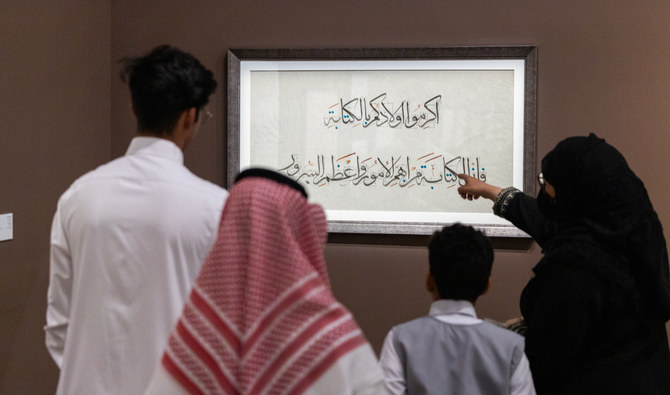
The exhibition highlights Arabic calligraphy’s aesthetic and functional dimensions as an art form and a symbol of identity and heritage. (Supplied)
2 / 6
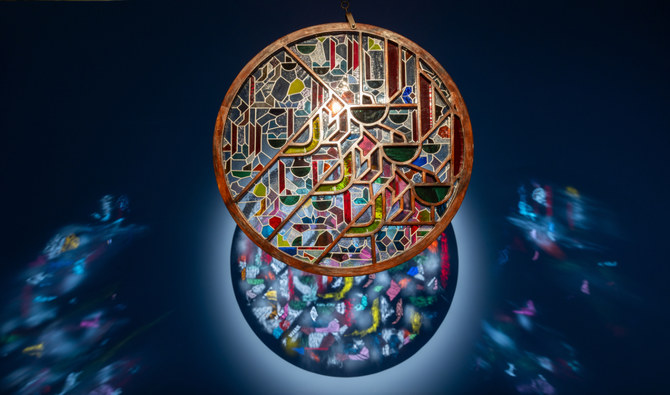
The exhibition highlights Arabic calligraphy’s aesthetic and functional dimensions as an art form and a symbol of identity and heritage. (Supplied)
3 / 6
The exhibition highlights Arabic calligraphy’s aesthetic and functional dimensions as an art form and a symbol of identity and heritage. (Supplied)
4 / 6
The exhibition highlights Arabic calligraphy’s aesthetic and functional dimensions as an art form and a symbol of identity and heritage. (Supplied)
5 / 6
The exhibition highlights Arabic calligraphy’s aesthetic and functional dimensions as an art form and a symbol of identity and heritage. (Supplied)
6 / 6
The exhibition highlights Arabic calligraphy’s aesthetic and functional dimensions as an art form and a symbol of identity and heritage. (Supplied)
Short Url
Updated 19 October 2023
Follow

Artists gather in Madinah for Ministry of Culture’s ‘Paths to the Soul’ calligraphy exhibition 

  • The exhibition details the history of Arabic calligraphy through the ages

RIYADH: The “Scripts and Calligraphy: Paths to the Soul” exhibition being held at the Madinah Arts Center in the holy city is highlighting the spiritual dimensions of the art form through historical and contemporary works.

Organized by the Ministry of Culture under the patronage of Madinah Gov. Prince Faisal bin Salman, the Oct. 15 to Dec. 23 exhibition details the history of Arabic calligraphy through the ages, highlighting its aesthetic and functional dimensions as an art form and a symbol of identity and heritage.

Madinah’s hosting of the exhibition is important due to the city’s spiritual importance in Islamic civilization and history.

The exhibition gives visitors the opportunity to embark on an immersive emotional journey of discovery, realizing the value of Arabic calligraphy as a cultural treasure and a manifestation of the Kingdom’s heritage.

It also aims to highlight the importance of Arabic calligraphy as an essential element in Arab identity.

Randa Fahmy, founder and chief fesigner of Egypt’s Randa Fahmy Design Associates, who is taking part in the event as a specialist, told Arab News: “The success of the exhibition is a direct result of the incredibly passionate and creative team effort from the MoC, from traveling across continents and individually meeting artists to perfectly curating such a varied selection of items across so many mediums and cultures.

“It was my honor to create a custom piece inspired by a traditional Omani pen case, symbolizing the power of calligraphy across time — a matter that is paid homage throughout the exhibition.

“This was further extended by the Ministry of Culture through facilitating a series of panels with distinguished scholars and exhibitors — creating lasting connections and opportunities to further develop and collaborate on such an important subject,” she added.

The exhibition, first launched in 2021, is one of the main events implemented by the Ministry of Culture to celebrate Arabic calligraphy as one of the initiatives of the Year of Arabic Calligraphy (2020-2021).

Saudi Arabia also led a successful collaboration with 15 Arab countries to include Arabic calligraphy on UNESCO’s list of Intangible Cultural Heritage in 2022, consolidating its status as a global symbol of Arab culture.

The ministry commissioned a group of senior calligraphers, artists and designers to produce a group of classical and contemporary artworks for the exhibition, which includes Islamic artworks, as well as rare manuscripts from the ministry’s collections, private collections and a number of works on loan from the Museum of the Arab World Institute in Paris.

Abdelrahman El-Shahed, a participant at the exhibition, told Arab News: “I was very pleased to participate with a group of multidisciplinary artists in this important exhibition that tells the story of the interaction and integration of Arabic calligraphy with other arts and crafts.”

Another participant, Nabil Boukhari, told Arab News: “The exhibition brings together the history of ancient calligraphy with its progress and development over the ages up to today.

“The presence of an elite group of specialists in this art exhibition increased the pleasure of gathering at this significant event.”

Acclaimed architects and scenographers Jean-Paul Boulanger, Margo Renisio and Tang Tu designed the exhibition, while 34 calligraphers from 11 countries, as well as 19 artists from 12 countries, are taking part under four complementary themes: Light, Letter, Space and Poetry.

The themes embody universal spiritual values that frame the works on display and spark potent and thought-provoking dialogue.

The event opens daily from 11 a.m to 11 p.m, except on Sundays, and from 2 p.m to 11 p.m on Fridays.

Those wishing to attend can obtain free entry tickets via the link:
https://www.ticketmx.com/ar/d/4164/scripts-and-calligraphy-paths-to-the-....

In 2021, the ministey held the first edition of the exhibition at the National Museum in Riyadh under the theme “Scripts and Calligraphy: A Timeless Journey.”


Saudi Food and Drug Authority pioneering digital health safety

Updated 15 December 2025
Follow

Saudi Food and Drug Authority pioneering digital health safety

  • Digital foundation enabled the development of centralized dashboards that provide real-time analysis of adverse events
  • Major improvement has been the use of Robotic Process Automation (RPA) to ensure medication safety works smoothly

TOKYO: Saudi Arabia is establishing itself as a regional leader in digital health regulation by integrating advanced technologies into the Saudi Food and Drug Authority’s (SFDA) pharmacovigilance and cosmetic safety oversight.

In line with Vision 2030’s digital goals, these projects are creating new standards for using data to protect public health, according to the SFDA.

A report by the Oxford Business Group says the transformation began with modernising the National Pharmacovigilance Centre’s adverse reaction reporting system. Moving from paper-based submissions to the fully digital “Saudi Vigilance” platform marked a significant step forward.

The introduction of smart reporting forms with structured data fields and behavioural nudges grounded in psychological principles significantly improved reporting quality and completion rates.

This digital foundation enabled the development of centralised dashboards that provide real-time analysis of adverse events, enabling early identification of safety signals and under-reporting trends.

A major improvement has been the use of Robotic Process Automation (RPA) to ensure medication safety works smoothly. By letting computers handle repetitive tasks like sorting reports and checking data, the SFDA has become more efficient.

The new RPA system for identifying safety signals has also sped things up. These technology solutions have made work easier and happier employees by eliminating boring manual tasks.

The SFDA’s digital changes also help prevent risks by using new online learning tools. The aRMMs e-learning system, with training videos about high-risk medicines, has changed how health care workers learn. Adding digital safety steps directly into hospital computer systems has also made a big difference. This new approach puts safety alerts and learning materials directly into doctors’ daily work, ensuring important information reaches them when they need it.

Digital innovation has also helped prevent medication errors. Moving from the old Phonetic and Orthographic Computer Analysis system to the new Saudi Name Registration (SNR) platform has made it easier to spot potentially confusing drug names. With better computer programs that check both Arabic and English names, plus real-time alerts and automatic updates, the SNR system is a big step forward in ensuring the safety of medicines before they reach the market.

Looking ahead, the SFDA plans to use these digital changes to make cosmetic products safer as well.

Planned projects using artificial intelligence include computer systems that spot rule-breaking, automated ingredient checks, and tools that read customer feedback to identify early warning signs.

This digital strategy puts Saudi Arabia ahead in new ways of making rules. By using artificial intelligence, automation, and data analysis in its work, the SFDA is improving how it tracks medicine safety and preparing for further progress in keeping products safe for consumers.

All these efforts support Vision 2030’s goal of building a knowledge-based economy and keeping Saudi citizens as safe as possible.