

SADAFCO partners with NTSC to implement zero-emission vehicles 

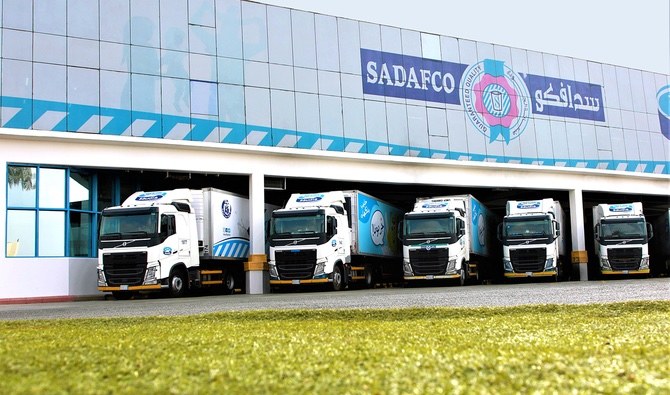
The proposed project will be executed in several phases. In the initial phase, an analysis will be conducted to assess the current carbon emissions generated by SADAFCO’s vehicle fleet.  Photo/Supplied
Short Url
Updated 04 October 2023
Follow

SADAFCO partners with NTSC to implement zero-emission vehicles 

RIYADH: In a bid to further strengthen its commitment to sustainability, Saudia Dairy & Foodstuff Co. has entered into an agreement with National Transport Solutions Co. to introduce zero-emission vehicles into its fleet. 

According to a press statement, this initiative, aimed at reducing carbon emissions, aligns with SADAFCO’s Sustainability 2030 Vision. Under the agreement, NTSC will assist SADAFCO in quantifying the current carbon emissions produced by its vehicle fleet and will help formulate a comprehensive roadmap for the transition to ZEVs. 

“SADAFCO is committed to creating a sustainable future through decarbonization. The decarbonization journey with NTSC is another crucial step toward creating a more sustainable future,” said Patrick Stillhart, CEO of SADAFCO.  

He added: “By switching to electric vehicles, SADAFCO will reduce carbon emissions and help create a cleaner, healthier world. Decarbonization is a long-term goal that requires a transformation of the energy systems. At SADAFCO, we have already set up our solar-powered warehouses and are planning to add more.”   

The proposed project will be executed in several phases. In the initial phase, an analysis will be conducted to assess the current carbon emissions generated by SADAFCO’s vehicle fleet.  

Subsequently, the focus will shift to assessing the availability of zero-emission vehicles in Saudi Arabia. This will be followed by integrating emissions data, fleet composition, operational cycles, and ZEV availability to formulate a strategic roadmap for the transition. 

“This partnership underscores SADAFCO’s unwavering commitment to reducing its carbon footprint, driving sustainability initiatives, and fostering a greener future. Both SADAFCO and NTSC are eager to set a precedent for responsible corporate citizenship in the region with this move toward sustainable transportation,” stated the company in the press statement.   

In July, SADAFCO, one of the prominent names in Saudi Arabia’s food market, announced a net profit of SR107.63 million ($28.69 million) for the first quarter of 2023, compared to SR56.27 million in the same period the previous year. 


Saudi Arabia’s industrial output rises 10.4% in November: GASTAT 

Updated 10 sec ago
Follow

Saudi Arabia’s industrial output rises 10.4% in November: GASTAT 

RIYADH: Saudi Arabia’s industrial output rose at its fastest rate in months, climbing 10.4 percent year on year in November, supported by stronger manufacturing activity and higher oil production, official data showed. 

The Industrial Production Index increased to 114.4, up from 103.6 a year earlier, according to the General Authority for Statistics, though the index slipped 0.7 percent from October.

The latest figures highlight continued momentum in the Kingdom’s industrial sector as Saudi Arabia pursues economic diversification under its Vision 2030 agenda.

In its latest report, GASTAT stated: “Preliminary results indicate an increase of 10.4 percent in the IPI in November 2025 compared to the same month of the previous year, supported by the rise in mining and quarrying activity, manufacturing activity and water supply, sewerage and waste management and remediation activities.”  

The sub-index of mining and quarrying activity increased by 12.6 percent year on year in November, supported by Saudi Arabia’s decision to raise oil production to 10.1 million barrels per day, compared to 8.9 million bpd a year earlier. 

Manufacturing activity rose by 8.1 percent compared to November 2024, driven by a 14.5 percent increase in the production of coke and refined petroleum products. The manufacture of chemical products also recorded a 10.9 percent annual rise.

In contrast, the sub-index of electricity, gas, steam, and air conditioning supply declined by 4.3 percent year on year, while water supply, sewerage and waste management and remediation activities rose by 10.2 percent. 

On a month-on-month basis, the overall IPI fell by 0.7 percent in November. 

Mining and quarrying activity rose by 0.5 percent from October, while manufacturing activity edged up by 0.3 percent.

However, electricity, gas, steam, and air conditioning supply recorded a sharp monthly decline of 28.6 percent. Water supply, sewerage and waste management and remediation activities fell by 3.1 percent over the same period. 

Overall, the index of oil activities advanced by 12.9 percent year on year in November, while non-oil activities increased by 4.4 percent. 

Compared to October, oil activities rose by 0.4 percent, while non-oil activities declined by 3.4 percent. 

The IPI measures changes in industrial output based on the International Standard Industrial Classification framework and covers mining, manufacturing, utilities, and waste management sectors.