- United Arab Emirates decided not to import meat products from Pakistan via sea after receiving bad consignments
- Pakistan’s trade development body acknowledges the problem, blaming the shipping company’s refrigeration system
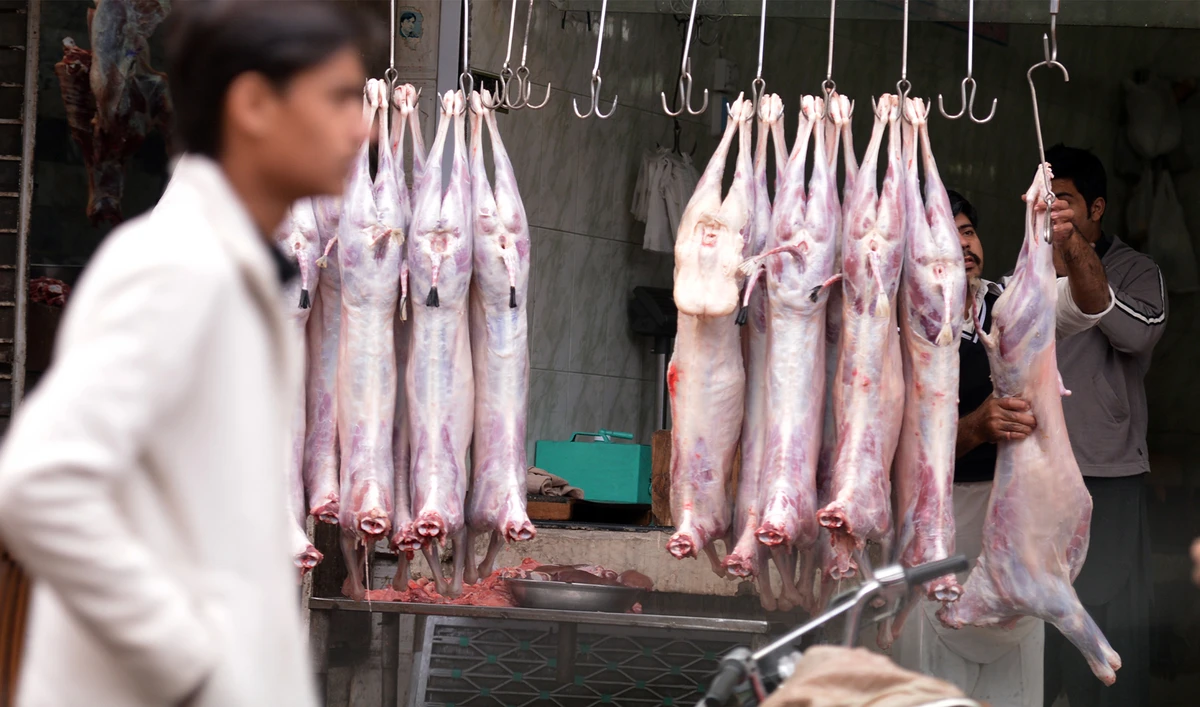
KARACHI: The Trade Development Authority of Pakistan (TDAP) said on Thursday it was actively trying to seek the reversal of a ban imposed by the United Arab Emirates (UAE) from next month on the export of chilled meat via sea after consignments carrying “substandard” products.
TDAP acknowledged the problem after initial investigation, though it blamed the refrigeration system of a shipping company for being behind the whole issue.
The UAE said this week it would stop importing “chilled fresh meat” from Pakistan via sea from October 10 since an unnamed company had supplied “sub-quality” products to its markets.
Pakistan exports meat worth around $144 million per year to the UAE.
“Initial investigations have revealed that the sub-standard quality of meat was allegedly due to inefficient / non-functionality of the refrigeration system installed in the reefer containers, which is a responsibility of the shipping lines,” TDAP said in a statement. “It has also been learnt that the concerned exporters have filed damages against the shipping line.”
“The Pakistani Consulate, in Dubai, has engaged with stakeholders, to ascertain the reason for this unfortunate event including requesting for a formal meeting with the UAE Ministry of Climate Change and Environment to present Pakistan’s viewpoint and comprehensively address their concerns,” it added. “The Mission will seek to assuage the concerns highlighted by the UAE authorities and at the same time strongly advocate for vacation of the ban.”
The UAE ministry announced this week it would not allow import of fresh chilled meat from Pakistan by sea after October 10.
No restriction was placed on exports via air transportation, with the condition that the meat was vacuum- or modified atmosphere-packed and had a shelf life of 60 to 120 days from the date of slaughter.
Faisal Hussain, the CEO of the Karachi-based Organic Meat Company Limited (TOMCL), a leading meat importer, said the “partial ban” would hurt Pakistan’s overall export figures.
“Export volume [of meat] for overall Pakistan will go down by two-third as Pakistan will only be limited to export what can be sent via air, and air space has limitations,” Hussain told Arab News. “And it’s expensive as well, so where Pakistan made its space in the UAE against other countries, it will also be lost.”
An internal memo from TOMCL said the restriction had been placed as another meat exporter, which the company did not name, had sent “sub-quality fresh chilled meat to UAE via sea.”
According to TDAP, Pakistan is one of the largest meat producers in the world. Over the past decade, it has become one of the fastest-growing meat exporters also, capitalizing on its competitive advantage to supply meat to Gulf Cooperation Council (GCC) countries.
In January 2023, bovine meat exports from Pakistan totaled $31 million, marking a 29 percent increase compared to $24 million recorded during the same period in 2022, according to TDAP.