How eight mega-projects are transforming Saudi Arabia’s Riyadh into a global destination

1 / 24
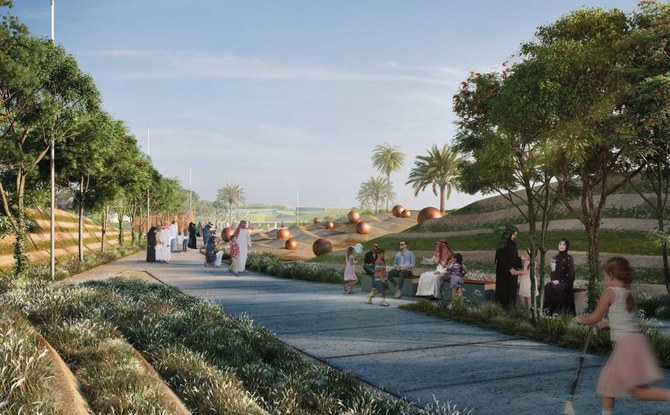
King Salman Park. (Supplied)
2 / 24
New Murabba. (Supplied)
3 / 24
King Salman Park. (Supplied)
4 / 24
Qiddiya. (Supplied)
5 / 24
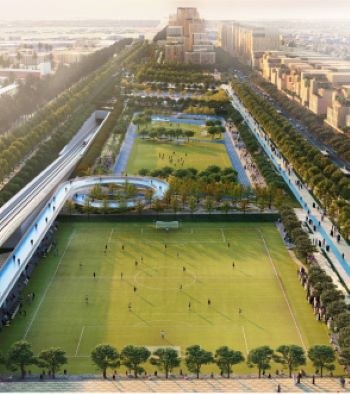
Sports Boulevard. (Supplied)
6 / 24
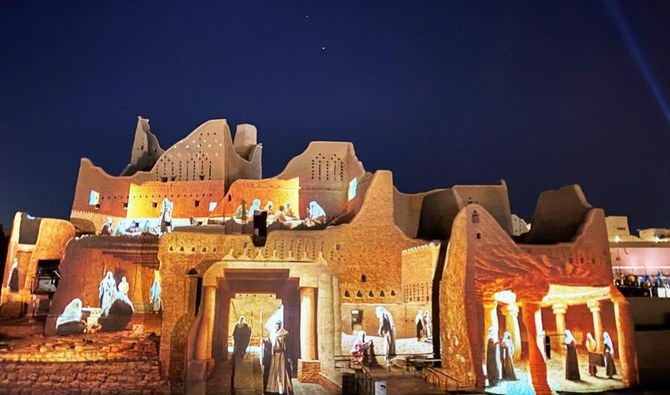
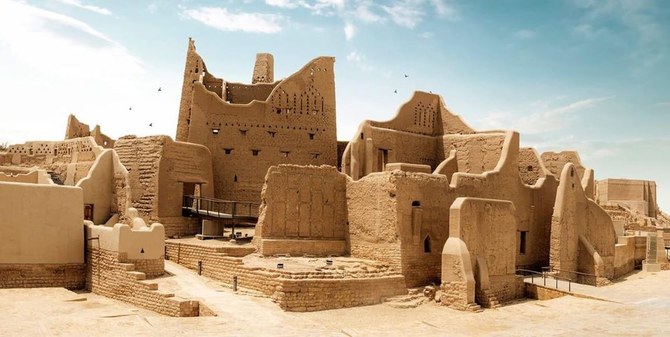
Diriyah. (Supplied)
7 / 24
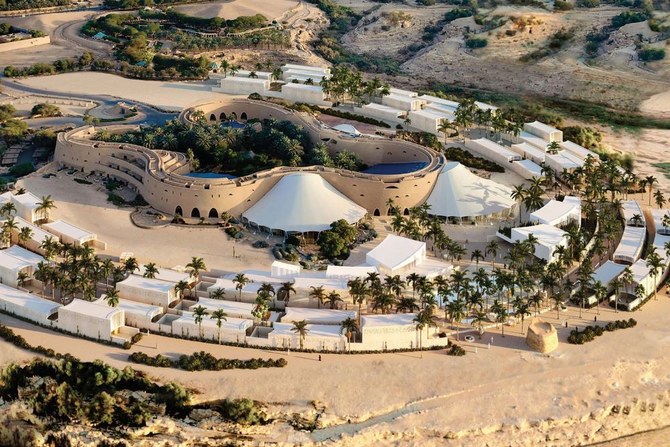
Tuwaiq Palace. (Supplied)
8 / 24
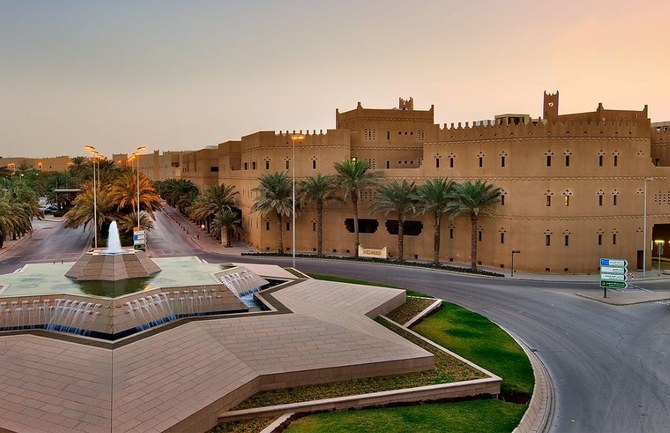
Diplomatic Quarter. (Supplied)
9 / 24
King Abdullah Financial District. (Supplied)
10 / 24
King Salman Park. (Supplied)
11 / 24
Diriyah. (Supplied)
12 / 24
Diriyah. (Supplied)
13 / 24
Tuwaiq Palace. (Supplied)
14 / 24
Diplomatic Quarter. (Supplied)
15 / 24
King Salman Park. (Supplied)
16 / 24
King Salman Park. (Supplied)
17 / 24
King Salman Park. (Supplied)
18 / 24
New Murabba. (Supplied)
19 / 24
New Murabba. (Supplied)
20 / 24
Qiddiya. (Supplied)
21 / 24
Tuwaiq Palace. (Supplied)
22 / 24
Sports Boulevard. (Supplied)
23 / 24
Sports Boulevard. (Supplied)
24 / 24
Sports Boulevard. (Supplied)
Short Url
Updated 23 September 2023
Follow

How eight mega-projects are transforming Saudi Arabia’s Riyadh into a global destination

  • Sports Boulevard, New Murabba, Qiddiya and King Salman Park are just some of the city’s highly-anticipated attractions
  • These sustainable and innovative urban spaces will promote culture, heritage, entertainment, leisure and recreation

RIYADH: Saudi Arabia’s Vision 2030 is paving the road for a better future by implementing transformative projects across the Kingdom. These projects aim to integrate advanced technologies and sustainable practices, ultimately enhancing the standard of living and quality of life for residents.

These projects, including Sports Boulevard, New Murabba, Qiddiya, and King Salman Park, are part of Saudi Arabia’s Vision 2030.

They are designed to create sustainable and innovative urban spaces, promote sports and recreational activities, enhance cultural and heritage sites, and provide entertainment and leisure options for residents and visitors. 

Saudi Arabia’s Vision 2030 is paving the road for a better future by implementing transformative projects across the Kingdom. These projects aim to integrate advanced technologies and sustainable practices, ultimately enhancing the standard of living and quality of life for residents.

These projects, including Sports Boulevard, New Murabba, Qiddiya, and King Salman Park, are part of Saudi Arabia’s Vision 2030. They are designed to create sustainable and innovative urban spaces, promote sports and recreational activities, enhance cultural and heritage sites, and provide entertainment and leisure options for residents and visitors.

Sports Boulevard

Sports Boulevard is the world’s largest linear park, stretching more than 135 km. It encompasses an investment area of 2.3 million sq m and features 4.4 million sq m of green and open spaces.

The park will be home to 50 sports facilities, making it a popular destination for a wide range of visitors, including pedestrians, cyclists (both professional and amateur), horse riders, art and culture enthusiasts, and individuals who prioritize eco-friendly activities. The park’s pathways and spaces have been carefully designed to encourage and support a healthy lifestyle.

Sports Boulevard in Riyadh is divided into eight distinct districts, each characterized by its distinctive design and accompanied by pathways and trails, providing a one-of-a-kind experience.

These districts include Wadi Hanifah, Wadi Al-Yasin, Wadi Al-Sulai, Arts District, Entertainment District, Athletics District, Eco District, and Sand Sports Park. Together, they offer an opportunity to promote healthy living and provide a diverse range of entertainment options in a modern and appealing manner.

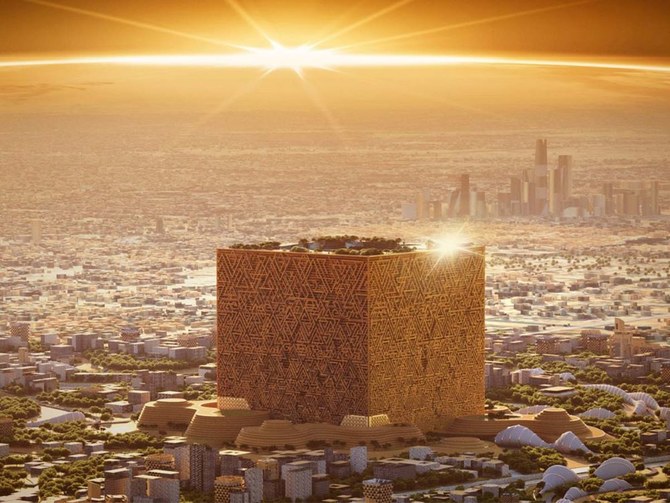
New Murabba

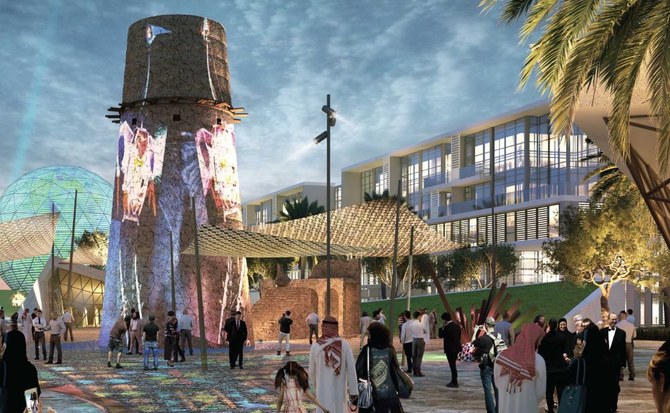
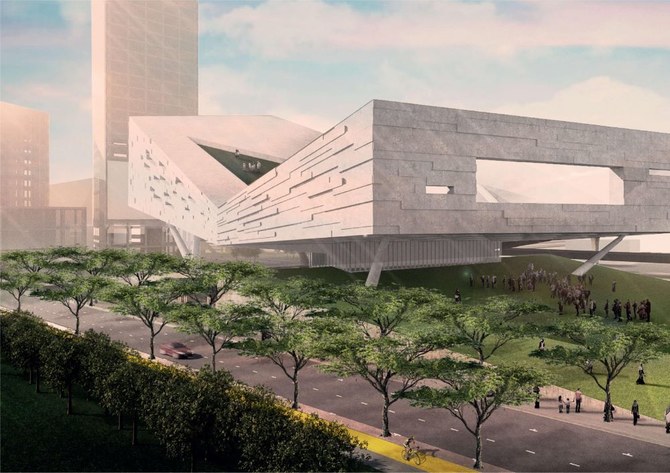
Big enough to hold 20 Empire State buildings, the New Murabba is set to be the biggest contemporary downtown in Riyadh, thereby supporting the city’s future growth according to the goals of Saudi Vision 2030.

The New Murabba aims to incorporate the concept of sustainability by including green spaces and dedicated paths for walking and cycling. These measures are designed to enhance overall well-being by promoting healthy and active lifestyles and fostering community engagement.

Additionally, the project will feature a museum, a state-of-the-art technology and design university, a versatile immersive theater, and more than 80 destinations for entertainment and cultural activities.

The development in northwest Riyadh, at the intersection of King Salman and King Khalid roads, will cover 19 sq km and provide housing for residents. It will include more than 25 million sq m of floor space, including residential units, hotel rooms and retail space. There will also be office space, recreational facilities and community amenities. The New Murabba development aims to offer a convenient lifestyle with living, working, and entertainment options within a 15-minute distance. It will have its own transportation network and be a 20-minute drive from the airport.

Qiddiya

The Qiddiya project aims to become a groundbreaking city globally renowned for offering the most imaginative and captivating experiences. Qiddiya strives to create a thriving and enjoyable city centered around entertainment, sports and culture.

It is creating numerous exciting attractions, including theme parks suitable for families. These sports arenas can host international competitions, sports and arts academies, concert venues, racetracks for motorsport enthusiasts, and outdoor adventure activities that offer experiences with nature and the environment. Qiddiya will also provide various real estate options and community services.

The 32-hectare site will include 28 rides and attractions across six different themed areas. The 4 km Falcon’s Flight rollercoaster ride will be the centerpiece of the park, and will touch speeds of 250 km an hour and includes a dive of 160 m.

But the rollercoaster is just a small part of the Qiddiya giga-project, which will include arts centers, festival grounds, a sports stadium, shops and restaurants, housing developments, a motor racing circuit and a golf course designed by 18-time major winner Jack Nicklaus.

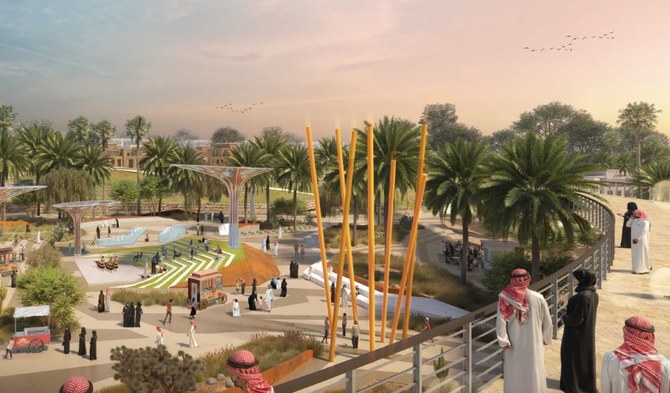
King Salman Park

King Salman Park is being constructed on more than 16 sq km of land, making it the largest urban park in the world. The park will offer diverse activities and options for residents and visitors of the city. Its environmental elements will significantly increase vegetation in the region and provide more per capita green spaces.

Green areas and open spaces will cover more than 9.3 million sq m, including an Islamic-style garden, a vertical garden, a maze garden, and a bird and butterfly sanctuary. These gardens span more than 400,000 sq m, with a circular pedestrian walkway extending for 7.2 km, a valley area of more than 800,000 sq m, and 300,000 sq m of water features.

The park’s Royal Art Complex will include a national theater with a seating capacity of 2,500, five museums, an outdoor theater accommodating 8,000 audience members, a complex with three cinema halls, four art academies, and an educational center for children.

The sports and entertainment facilities will feature a 850,000 sq m royal golf course, a virtual reality court, a skydiving center, an equestrian center, and running and biking routes.

Diriyah

Diriyah, the historical birthplace of Saudi Arabia, is a treasure trove of more than 30 cultural establishments, including museums and academies. It takes visitors on a captivating journey through the Kingdom’s vibrant history and offers many opportunities to engage with contemporary art.

Turaif, a UNESCO World Heritage site, gives visitors the chance to immerse themselves in captivating performances, interactive exhibitions, educational trails and advanced technologies that together help to showcase Diriyah’s past.

The Old Town features an art district that includes galleries, workspaces and creatively designed residences, while the Period Village recreates a 300-year-old local lifestyle, complete with bustling markets, artisanal shops, workshops, and delectable traditional cuisines.

Jax

The Jax district in Diriyah brings together talented professionals and aspiring artists to express the essence of life through vibrant colors. Their captivating creations are on display throughout the area.

As visitors explore the district, they encounter an array of installations in hallways and public spaces that offer an incredible visual and sensory experience and immerse them in the world of contemporary art.

The district also plays a significant role in promoting art and culture in Diriyah. In 2021 and 2022, it was home to the Diriyah Biennale Foundation, which hosted the Kingdom’s first international contemporary art biennale, in Riyadh. The event attracted artists and enthusiasts from around the world, further solidifying the Jax district’s reputation as a prominent cultural destination.

King Abdullah Financial District

Riyadh’s King Abdullah Financial District is a thriving hub that embodies the vision of the late ruler it is named after for the creation of a prosperous financial center. Aligned with the goals Vision 2030, the district contributes to the expansion and diversification of the Kingdom’s economy, while also providing a dynamic environment within the community.

Its impressive buildings, inspired by the local natural landscape, have reshaped the Riyadh skyline. They offer state-of-the-art office facilities and sustainable smart city solutions that empower businesses to thrive.

Additionally, the district contains exceptional recreational and retail amenities designed to help provide a distinctive lifestyle experience. Through its remarkable architecture and vibrant atmosphere, it is a symbol of economic growth and community vitality.

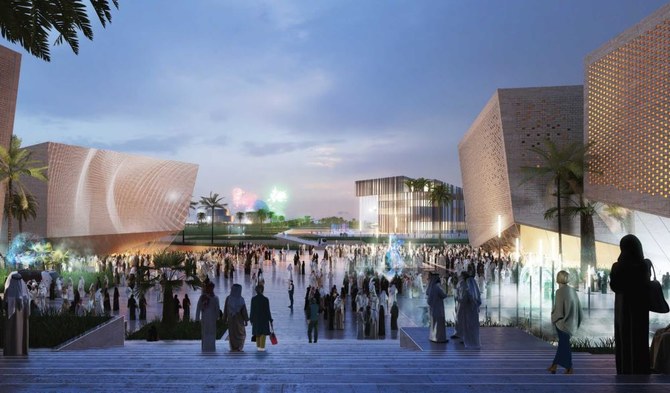
Diplomatic Quarter

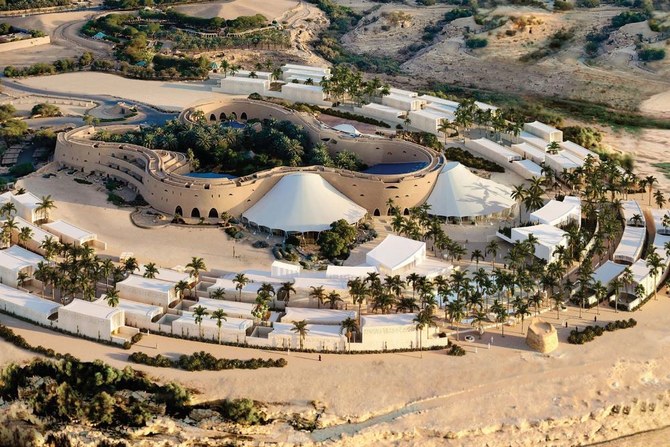
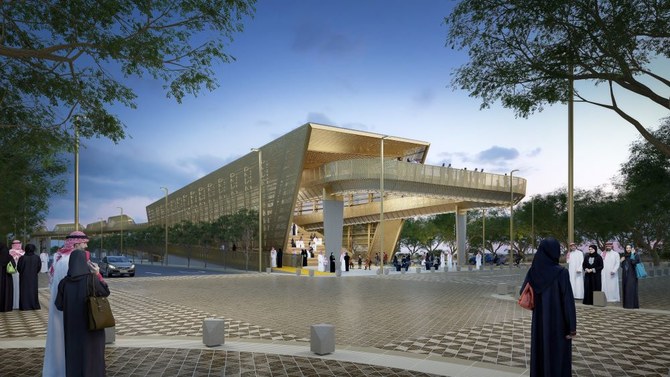
The Diplomatic Quarter, also known as Al-Safarat, is a vibrant area that houses embassies, residential complexes, and a wide variety of dining options. It is also home to important cultural sites, including Tuwaiq Palace, with its unique tent-like structures and panoramic views of Wadi Hanifa.

The Cultural Center, meanwhile, is a spacious two-story building with a large celebration hall, an auditorium equipped with state-of-the-art technology, and a partially covered outdoor area for performances and other celebrations.


Airports in GCC are turning stopovers into tourism growth

Updated 14 February 2026
Follow

Airports in GCC are turning stopovers into tourism growth

  • Governments and airport operators are turning aviation as a central pillar of tourism and economic strategy

CAIRO: Once defined by fleeting layovers and duty-free corridors, airports across the Gulf Cooperation Council are increasingly gateways to short-stay tourism, driving non-oil growth, hospitality revenues and job creation. 

Across the region, governments, airlines and airport operators are treating aviation not merely as a transport sector but as a central pillar of tourism and economic strategy. Through streamlined visa regimes, airline-led stopover programs and sustained investment in airport infrastructure and technology, GCC countries are turning transit passengers into visitors. 

“Across the GCC, destinations have shifted from functioning primarily as global transit hubs to positioning themselves as places travelers actively choose to visit, even for short stays during onward journeys,” Nicholas Nahas, partner at Arthur D. Little, told Arab News. 

Airports in the Middle East are investing heavily in biometric processing systems, e-gates and digital border controls designed to shorten waiting times and improve passenger flow. These upgrades, backed by coordinated public-private initiatives, are narrowing the gap between arrival and exploration, making short stays viable even for passengers transiting for less than 48 hours. 

Unified GCC visa 

Two years after its initial proposal, the long-discussed unified GCC tourist visa is moving through final coordination stages, a development expected to further accelerate tourism spending linked to stopovers. 

Looking ahead, the visa could allow the region to function as a single tourism corridor. Robert Coulson, executive adviser for real estate at Accenture, said the next phase is about regional continuity. “The next leap for the GCC is making the region feel like one seamless journey while differentiating each stop with a distinct identity,” he told Arab News. 

First proposed in 2023 and approved in principle in 2024, the visa is designed to allow travel across Bahrain, Kuwait, Oman, Qatar, Saudi Arabia and the UAE under a single permit. Analysts say Saudi Arabia is positioned to be among the biggest beneficiaries, given its scale, expanding destination portfolio and growing aviation capacity. 

The unified visa is expected to complement existing stopover initiatives by allowing travelers to combine short visits to Saudi Arabia with trips to Dubai or Doha, effectively turning the Gulf into a single multi-country itinerary rather than a series of isolated transit points. 

Saudi aviation surge 

Saudi Arabia’s aviation-driven tourism growth has accelerated rapidly. The Kingdom welcomed an estimated 122 million visitors in 2025, moving closer to its Vision 2030 target of attracting 150 million tourists annually. 

“GCC travel hubs have stopped selling connections and started selling experiences,” Coulson said. “They’ve cracked the stopover-to-stayover model, turning a layover into a mini-holiday rather than dead time.” 

In January, Abdulaziz Al-Duailej, president of the General Authority of Civil Aviation, said international destinations served from Saudi Arabia increased to 176 in 2025, while the Kingdom remained home to some of the world’s busiest air routes. 

He credited this performance to the “unlimited support” of the Kingdom’s leadership, identifying aviation as a key enabler of Vision 2030 and broader economic diversification. 

Saudi Arabia’s newest airline, Riyadh Air, is expected to contribute more than $20 billion to non-oil gross domestic product and create over 200,000 direct and indirect jobs, underscoring aviation’s expanding economic footprint. 

A key pillar of Saudi Arabia’s strategy has been the introduction of a digital stopover visa in 2023, allowing transit passengers to enter the Kingdom for up to 96 hours. The initiative enables short visits for Umrah, trips to Madinah or exploration of the country’s cultural and historical sites.  The policy reflects a broader regional effort to turn time spent between flights into economic activity beyond the airport terminal, particularly in hospitality, transport and cultural tourism. 

Short-stay shift 

This evolution has been driven by global connectivity, simplified visa access and the ability to deliver high-quality experiences within a 24-to-72-hour window. The UAE, particularly Dubai, was the earliest and most established example of this transition, converting a growing share of its transit traffic into visitors through airline-led stopover packages, flexible visa categories and dense, short-stay-friendly attractions. 

Dubai International Airport handles more than 85 million passengers annually. Curated stopover products combining hotel stays with cultural and entertainment experiences have helped transform transit traffic into leisure demand. Direct metro access and streamlined entry processes have further reduced friction. As a result, Dubai welcomed around 19 million international overnight visitors in 2025. 

Other GCC destinations have since adopted similar models. Abu Dhabi expanded stopover offerings through its national carrier, promoting entertainment and cultural districts as compelling short-stay experiences. Qatar embedded stopover tourism into its national tourism strategy, converting transfer traffic at Hamad International Airport into city stays. Saudi Arabia expanded its tourism offering through its 96-hour digital visa linked to onward flights. 

A smooth transit experience is often the deciding factor in whether passengers remain airside or choose to explore. Fast entry processes, intuitive airport design and reliable airport-to-city connectivity can turn even a six- to eight-hour layover into usable time rather than idle waiting. 

Under Vision 2030, Saudi Arabia has invested heavily in airport expansion, digital border processes and urban mobility projects designed to shorten the distance between arrival and experience. Airline stopover platforms, transport apps and airport-based destination messaging increasingly reduce uncertainty and enable spontaneous exploration. 

Beyond transit traffic, Nahas said tourism growth across the GCC has been driven by integrated destination ecosystems. Successful destinations are designed end-to-end — from trip planning and arrival through accommodation, mobility, experiences and departure — requiring coordination across tourism authorities, airlines, airports, transport providers and experience operators. 

Designing destinations 

For developers shaping the region’s next phase of tourism growth, the focus has shifted toward creating destinations that capture travelers from the moment they arrive. 

Sultan Moraished, group head of technology and corporate excellence at Red Sea Global, said next-generation destinations are being designed to resonate with global travelers beyond a flight connection. 

“As we design and build next-generation destinations, our focus is always on creating experiences that resonate with global travelers from the moment they arrive to when they choose to explore beyond a flight connection,” he told Arab News. 

Moraished said offering experiences travelers cannot find elsewhere, from cultural immersion to nature-based activities, creates compelling reasons to extend visits beyond simple transit. He added that collaboration across aviation, hospitality and destination authorities ensures that every part of the journey is aligned with a shared vision for tourism growth. 

Looking ahead, Moraished said the intersection of innovation and hospitality will continue to open new pathways, from smart digital experiences to regenerative tourism practices that appeal to increasingly conscious travelers and encourage repeat visitation. 

Experience economy 

Airports have shifted from being standalone infrastructure assets to functioning as world-class distribution engines for cities and destinations. Investments in gateway airports have made them part of the destination brand promise. 

Tourism operates as a continuous conversion funnel, Coulson said. Every step removed between the flight gate and the city increases the likelihood that travelers will leave the terminal and spend money locally. Fast connections, predictable baggage handling and clear wayfinding reduce perceived risk, while simplified transit visas make spontaneity possible. 

A unified GCC tourist visa could unlock longer stays and multi-country itineraries, supported by investment in walkable districts, waterfronts and climate-smart design. 

Taken together, the transformation of transit hubs into tourism powerhouses reflects a broader shift in how the Gulf approaches aviation-led growth. Airports are no longer just points of passage but economic gateways where short stopovers translate into tourism spending, jobs and long-term diversification.