





JEDDAH: Saudi coffee, affectionately known as “ghahwa,” has long been an integral part of Saudi Arabia’s cultural heritage, representing the values of hospitality and generosity.
Its significance on various occasions is deeply ingrained in the Kingdom’s cultural fabric.
As Saudi coffee entered a new phase, marked by its rebranding from “Arabic coffee” to “Saudi coffee” in 2022, its role in shaping the country’s identity, as well as contributing to the economy and tourism industry, became more apparent.
Saudi coffee’s deep-rooted history and cultural significance are undeniable. The Ministry of Culture’s decision to rename it during the Year of Saudi Coffee reflects the desire to honor its genuine essence and preserve its traditions.
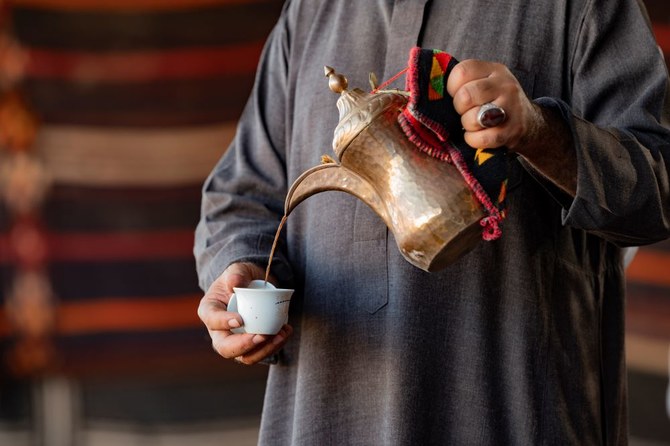
The beverage is more than just a flavorful drink — it encompasses rituals, practices and artistic expressions that convey kindness, welcoming nature and aesthetic beauty.
Songs, poetry and artworks in the Kingdom have been inspired by this cultural emblem, and its preparation and presentation to visitors have become a distinct art form.
In Saudi Arabia, each region has its own unique approach to preparing Saudi coffee, resulting in diverse flavor profiles and brewing techniques.
From the central to the northern, southern, western and eastern regions, methods differ due to factors such as the use of saffron, cloves, cardamom and other flavor enhancers.
However, what unites these variations is the prevalence of freshly ground cardamom, creating a harmonious thread that ties the Kingdom’s coffee traditions together.
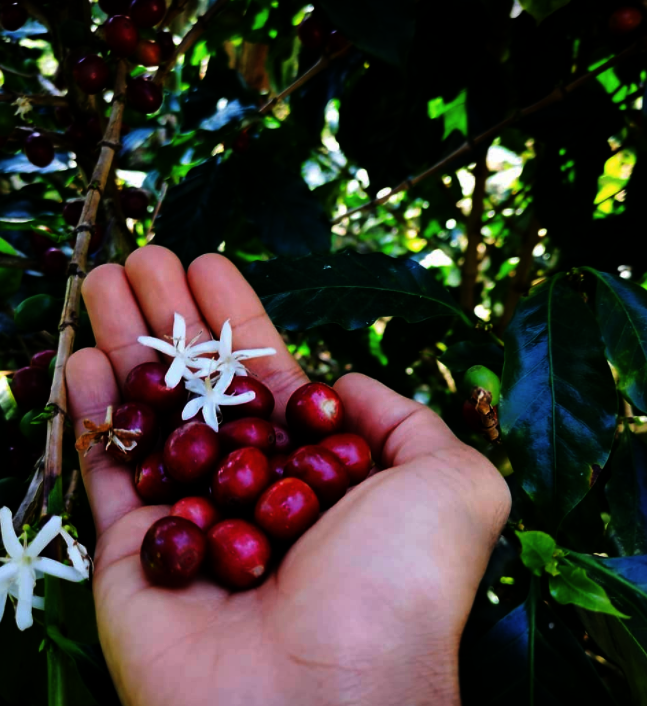
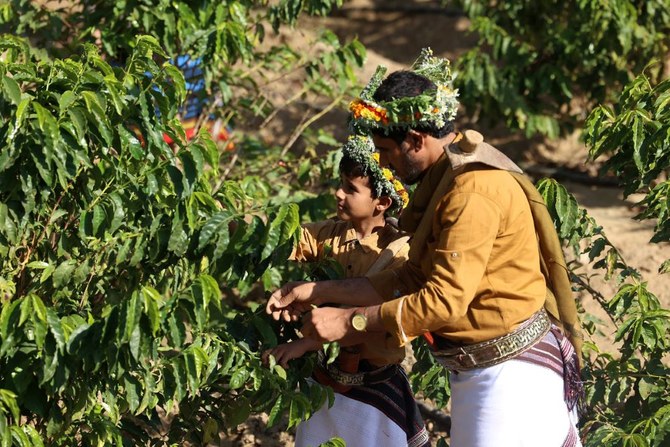
In recent years, particular attention has been directed toward coffee plantations in the southwestern Jazan region, where the Khawlani bean variety is grown.
Coffee cultivation occurs mainly in the Jazan region, with additional coffee plantations having been established in Baha and Abha.
The lush, cool and humid climate of the mountainous regions, coupled with the rich soil, creates an optimal environment for nurturing coffee plants.
Successful coffee cultivation in these areas depends on the availability of rainwater during specific seasons.
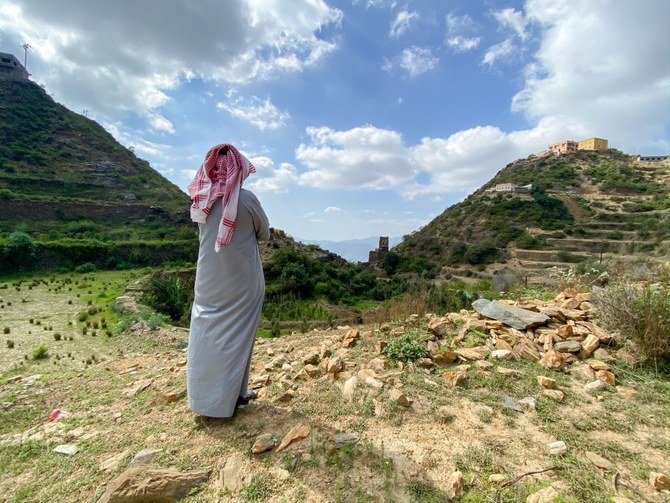
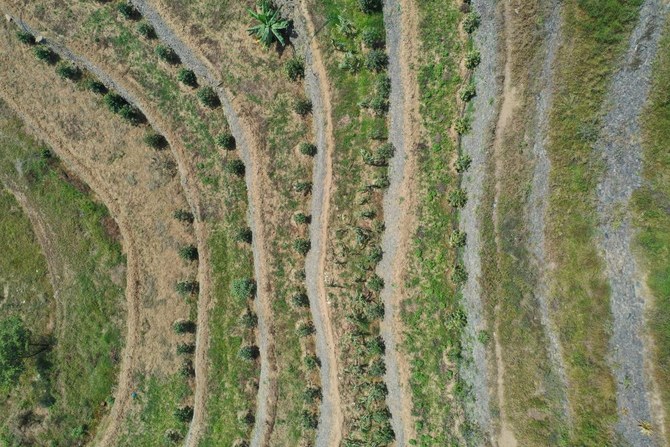
What distinguishes the Jazan region is the distinctive agricultural landscape of its highlands, which have carefully constructed terraces designed for cultivating coffee.
Accordingly, this terrain variety has garnered international recognition. In 2022, UNESCO included Saudi khawlani coffee and its cultivation traditions in the Representative List of the Intangible Cultural Heritage of Humanity.
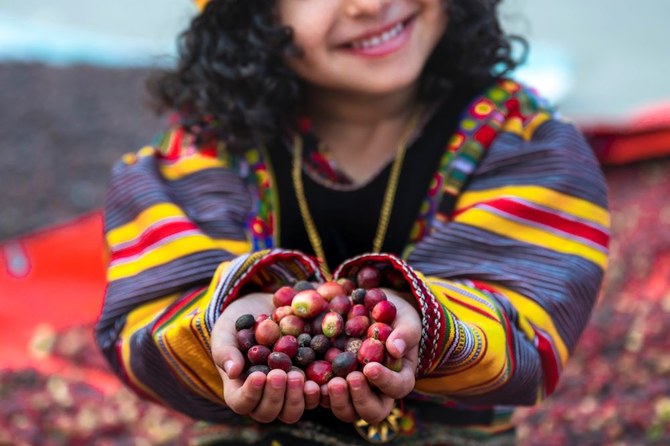
For centuries, khawlani coffee has been a source of pride, and deeply intertwined with local customs, poetry and song in the southern regions.
Sharing his insights on the flavor profile and roasting process of Saudi coffee Al-Mohanad Al-Marwai, co-founder and CEO of the Arabian Coffee Institute in Jeddah, told Arab News: “The beverage has a unique, rich and smooth body with bright acidity. The flavor notes often include dried fruit, raisins, dates, cardamom, cinnamon, and even dark chocolate.”
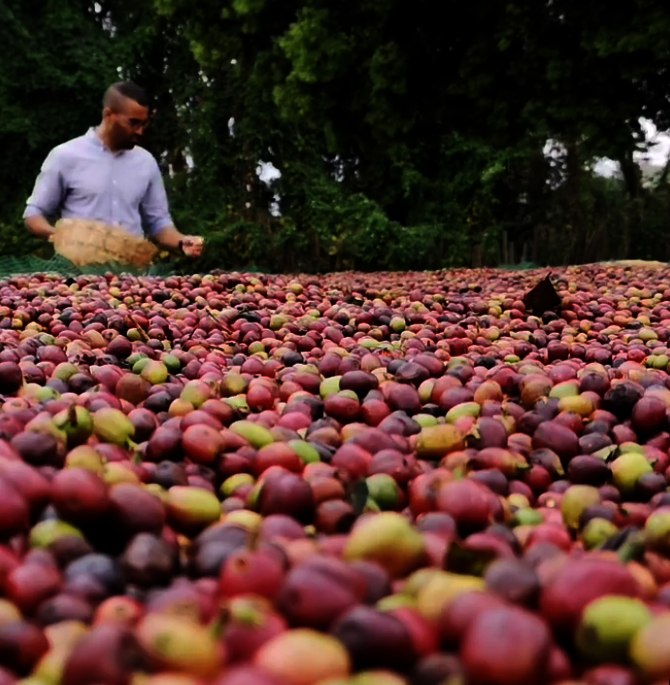
Saudi coffee beans are versatile, suitable for espresso drinks and brewed black coffee, with the roasting profile adjusted based on the desired outcome, he said.
Al-Marwai highlighted the substantial impact of the coffee industry on local communities and the Saudi economy, adding: “With millions of livelihoods depending on coffee production, Saudi Arabia’s thriving coffee industry contributes to job creation, income generation, tourism, economic diversification and export opportunities.
“The country’s original status as a coffee-producing nation positions it favorably in the global market, with the industry’s growth benefiting both individuals and the nation as a whole.”
He also outlined the promising trends shaping the future of Saudi coffee.
“The rise of specialty coffee, with a focus on quality and origin, is evident in the growth of specialty coffee shops, roasters, and sustainable practices,” he said.
“Coffee tourism is on the horizon in Saudi Arabia as well, with the beauty of coffee-farming locations in the southern region offering cultural and natural attractions for visitors.”
The establishment of the Saudi Coffee Co. in 2022, supported by the Public Investment Fund, signifies a commitment to enhancing the coffee value chain.
The company aims to establish the Kingdom as a prominent force in worldwide coffee production. This initiative seeks to invigorate the domestic coffee sector, excelling in every facet of coffee production, promotion, and global marketing.
“Research, development, and initiatives to improve cultivation, processing, and quality will solidify Saudi Arabia’s position as a competitive player in the global coffee market,” said Al-Marwai.


