

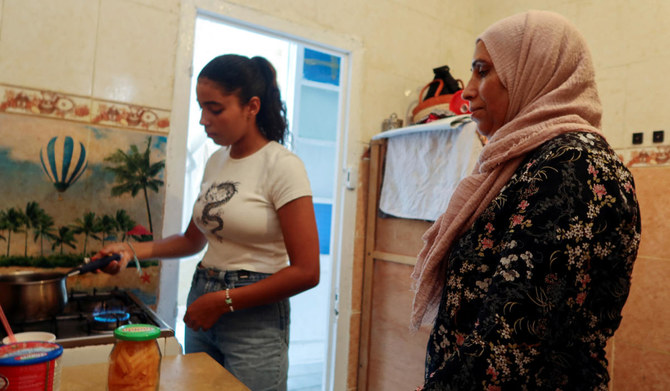

TUNIS: For Siwar Derbeli a national rice shortage is not just another inconvenient symptom of Tunisia’s stretched national finances but a source of hunger because the coeliac disease she suffers from means it is one of the few staples she can comfortably eat.
Shortages of imported goods sold at subsidised rates have been increasing in Tunisia since last year, with wheat, sugar, cooking oil and dairy products periodically disappearing from supermarket shelves along with some medicines.
Although rice is not the most common staple in Tunisia, where bread, pasta and couscous are more frequently eaten, its lack of gluten makes it indispensable for the country’s estimated 100,000 people with coeliac disease — an autoimmune condition that prompts a dangerous response to gluten.
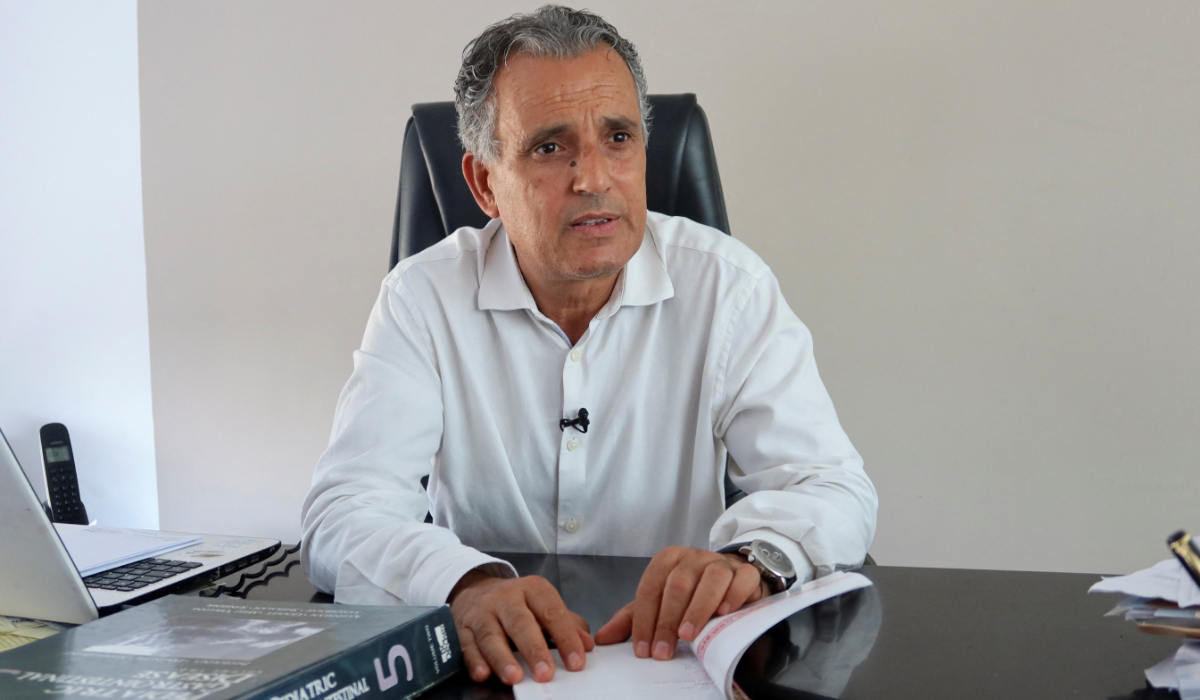
Monji ben Hriz, president of the Tunisian Association for Coeliac Disease, attends an interview with Reuters in Tunis, Tunisia August 29, 2023. (REUTERS)
“You come home and can’t find the basic food you need to eat. It’s a very unfortunate situation,” said Derbeli, 18.
Her mother, Hasna Arfaoui, was cooking Derbeli’s evening meal with expensive gluten-free pasta that is hard to afford for Arfaoui, an unemployed widow with three children who used to work as a cleaner.
“We have been facing difficulties with her diet, and it has been very tiring for us. The specialized food she needs is expensive and we often struggle to afford it. Basic ingredients like rice are missing,” she said.

A view shows rice for donation at the headquarters of Tunisian Association for Coeliac Disease, in Tunis, Tunisia August 29, 2023. (REUTERS)
The government has denied that shortages are due to the crisis in public finances, with talks for a foreign bailout stalled and credit ratings agencies warning that Tunisia may default on sovereign debt.
However, economists, political analysts and Tunisia’s influential labor union have all said the government is delaying or stopping imports of subsidised goods to help cope with a $5 billion budget deficit despite public hardship.
Monji ben Hriz, president of the Tunisian Association for Coeliac Disease, said no ship was due to offload rice until December and that state-held stocks had already run out.
Some privately imported rice is available, but at a much higher cost that is prohibitive for many Tunisians.
“People are now enduring real difficulties sourcing rice and there are those who have changed their diet for this reason, jeopardizing their health,” he said.


