ISLAMABAD: The Pakistani government has taken “numerous measures” to promote religious tourism as it has the potential to revive the country’s national economy, a spokesperson of the Pakistan Tourism Development Cooperation (PTDC) said on Sunday.
According to the PTDC spokesperson, the South Asian country has a total of 480 tourist destinations out of which 120 are religious sites. Pakistan is host to religious sites and places of worship of some of the most prominent religions in the world such as Islam, Hinduism, Christianity, Sikhism, Buddhism, and others.
“The government has already taken numerous measures to promote religious tourism in the country as this sector can play an important role in reviving the national economy,” the PTDC spokesperson was quoted as saying in a report published by the state-run Associated Press of Pakistan (APP).
The spokesperson said that almost 0.9 million international tourists visit Pakistan’s recreational and historical sites annually. He added that the government was improving the law and order situation to attract more tourists from various countries as “religious-based tourism is flourishing and attracting different communities.”
“It is important to realize that religious beliefs and practices are sacrosanct to their followers,” the spokesperson said. “Acknowledging, respecting, and accommodating these beliefs generates massive goodwill.”
In July, Pakistan welcomed senior Buddhist monks and delegates from various countries in Islamabad for a three-day symposium to shed light on the Gandhara civilization’s importance and to spotlight the South Asian country’s rich Buddhist heritage.
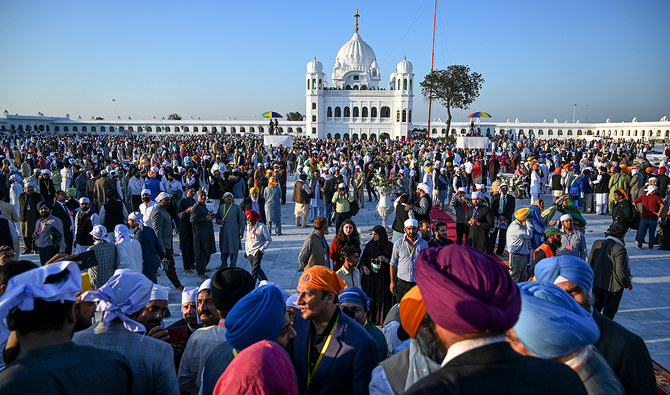
In November 2019, the Pakistani and Indian prime minister inaugurated the Kartarpur corridor, a 4km-long visa-free passageway for Sikh pilgrims to travel from Dera Baba Nanak in India to the final resting place of their religion’s founder, Guru Nanak, in Kartarpur, Pakistan, in their respective countries.


![]()

Pakistan says taking ‘numerous steps’ to promote religious tourism
Short Url
https://arab.news/8fkqe
Pakistan says taking ‘numerous steps’ to promote religious tourism
- Religious tourism has potential to revive national economy, says Pakistan tourism body spokesperson
- Pakistan’s tourism development body spokesperson says out of 480 tourist sites, country has 120 religious ones
Latest updates


Recommended


© 2026 SAUDI RESEARCH & PUBLISHING COMPANY, All Rights Reserved And subject to Terms of Use Agreement.