

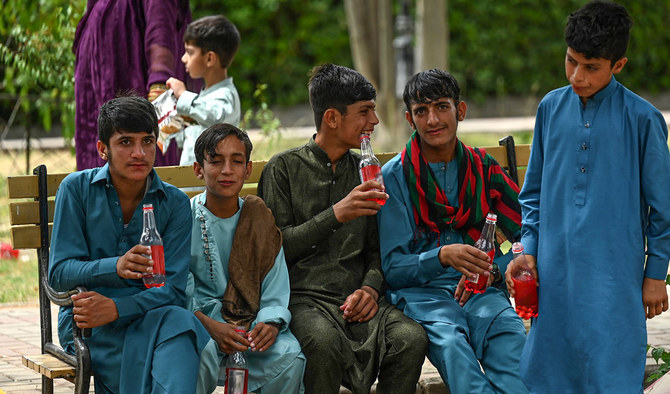

KARACHI: Pakistani health experts have called for policy measures, including increased taxes, to curb the use of ultra-processed food and sugary drinks, citing the example of Saudi Arabia which has subjected unhealthy foods to heavy excise duties.
In 2019, Saudi Arabia expanded an excise tax charged on tobacco and soda to include electronic cigarettes and all drinks with added sugar as part of its efforts to boost non-oil revenue. It had already imposed a special tax on tobacco and sugary drinks in 2017 as part of a series of steps toward closing a budget deficit caused by low oil prices.
In Pakistan, ultra-processed food products high in salt, sugar and trans fats are top risk factors for Non-communicable Diseases (NCDS), with six out of every 10 deaths linked with NCDS, health experts at an event organized by Pakistan National Heart Association in Karachi on Thursday said.
“Saudi Arabia is among countries that has done great work to control NCDS and implemented strict policies,” said Munawar Hussain, country coordinator at the Washington-based Global Health Advocacy Incubator.
“For example, the Saudi government increased 50% tax on sodas and 100% on energy drinks, which led to a decrease in consumption. Saudi Arabia is among the countries which successfully reduced a growing diabetes rate.”
Pakistan is ranked third in the world for diabetes, with 33 million adults living with the disease. Around 400,000 deaths per year in Pakistan are linked to diabetes or complications caused by diabetes, according to data from the International Diabetes Federation (IDF) and World Health Organization (WHO).
“We appreciate the government increasing taxes on sugary drinks in the Finance Bill 2023-24 but it is a first step only,” Sana Ullah Ghumman, General Secretary of the Pakistan National Heart Association, said. “Now we must gear up to progressively increase tax on unhealthy foods and also introduce a package of policies to reduce consumption.”
“Heart diseases and stroke are among top killers of Pakistanis and diabetes is already skyrocketing, and no country can afford to treat such a huge number of people,” he added.
Ghumman said the country could save billions of dollars on the import of drugs by focusing on non-communicable diseases.
“The annual cost of diabetes management is estimated by more than $2.64 billion in Pakistan,” he said, citing 2021 data from the International Diabetes Federation
Fayza Khan, president of the Pakistan Nutrition and Dietetic Society, said a majority of the population did not even know about the harmful effects of highly processed food products.
“We must mobilize public support by increasing awareness among the masses and policy makers,” she said, “and help them understand that we are in a state of emergency where urgent policy measures can save thousands of lives every day.”


