- Member states seek expansion with aim of increasing clout of a bloc that has pledged to champion "Global South"
- Saudi Arabia, Iran, Ethiopia, Egypt, Argentina and the UAE will formally join as new members from Jan. 1, 2024
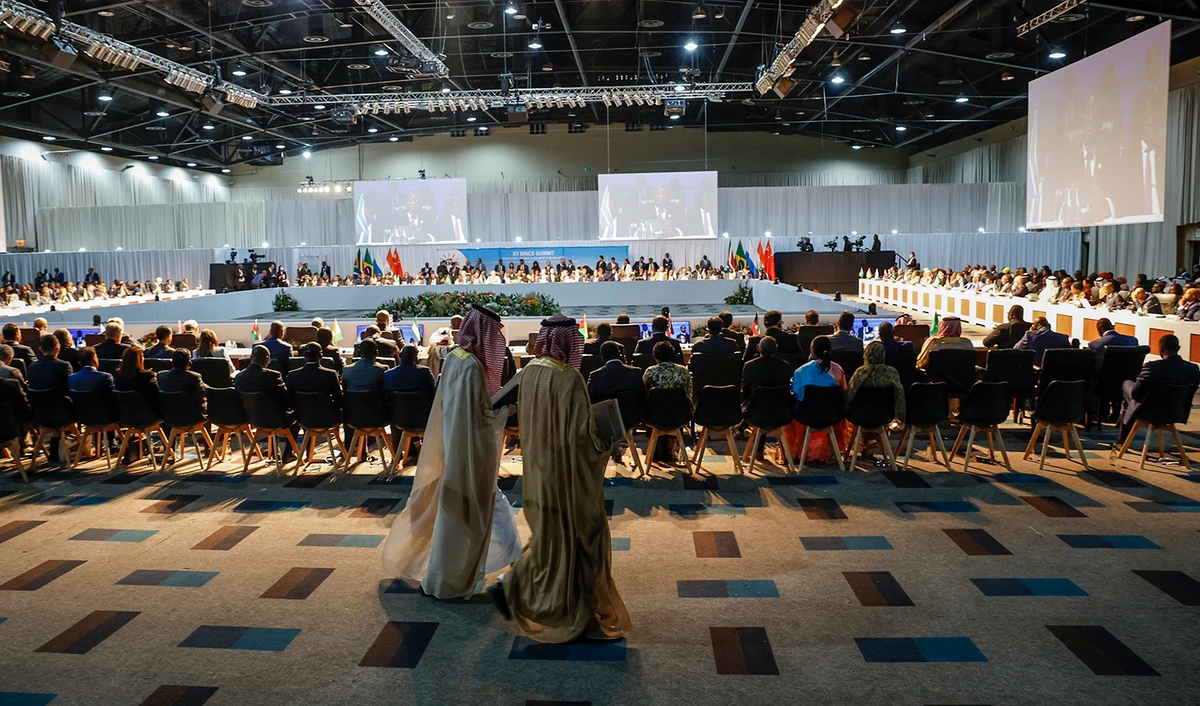
ISLAMABAD: Pakistan’s foreign policy experts urged the government to apply for membership of the BRICS group of developing nations as it holds its 15th summit in Johannesburg where its leaders on Thursday invited Saudi Arabia, Iran, Ethiopia, Egypt, Argentina and the UAE to join the bloc.
The new candidate members were announced by South African President Cyril Ramaphosa, who is hosting a summit of BRICS leaders, where expansion has been a top agenda item with the aim to grow the clout of a bloc that has pledged to champion the "Global South".
Expansion could also pave the way for dozens of interested countries to seek admission to BRICS - currently Brazil, Russia, India, China and South Africa - at a time when geopolitical polarization is spurring efforts by Beijing and Moscow to forge it into a viable counterweight to the West.
Pakistan’s foreign office did not respond to Arab News queries regarding the country’s interest in joining the forum.
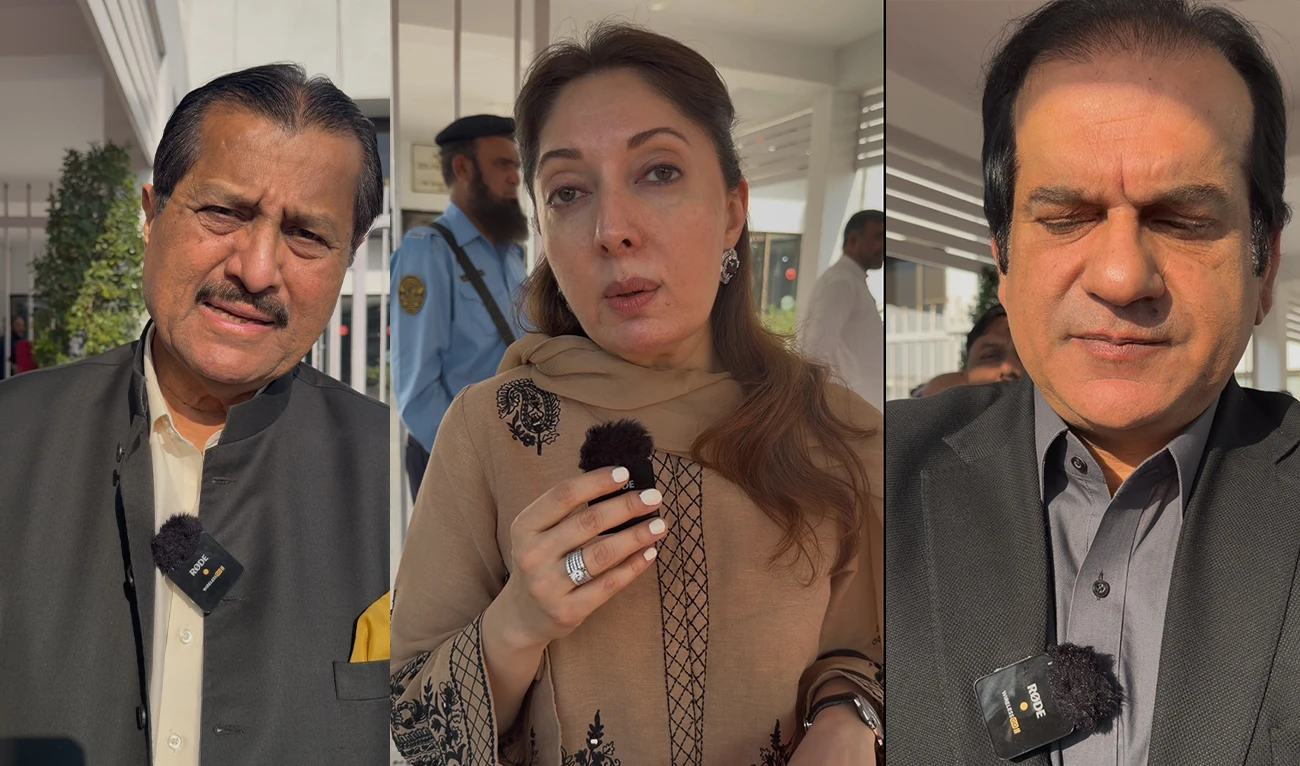
“The problem is that Pakistan has not even applied to join BRICS,” Senator Mushahid Hussain Syed told Arab News over the phone from Johannasburg where he is attending a BRICS seminar.
“First of all, Pakistan should apply for membership in BRICS, where the lead role is with China and where India is the weakest link due to its proclivity to be part of the West’s new Cold War against Beijing.”
Dr. Asma Shakir, Executive Director at the Centre for International Strategic Studies, said Pakistan should "immediately" apply for membership:
“We should not shy away just on the fear that India will block our progress. We should do our part and let China and others do their best to let our application go through as without applying our friends also cannot help us. This membership will be beneficial for us not only diplomatically but also strategically and economically.”
Analysts Shakeel Ahmed Ramay said there were three major factors which made BRICS attractive for developing countries like Pakistan.
“First, it is emerging as the voice of the global south,” he told Arab News. “Second, it is the hub of future economic growth, with the International Monetary Fund predicting that around 55 percent growth will come from BRICS countries in 2023. Third, it is a counterweight to Western dominance.”
Ramay said Pakistan should join BRICS for all these reasons, especially when it had Beijing’s support.
“China considers Pakistan as one of the most important countries of the global south,” he added. “But the insecurity of India is playing a leading role as it does not want Pakistan to be on the table.”
"CHALLENGES"
"BRICS has embarked on a new chapter in its effort to build a world that is fair, a world that is just, a world that is also inclusive and prosperous," Ramaphosa said as he announced the new entrants who will be formally admitted as members on Jan. 1, 2024. Ramaphosa and Brazilian President Luiz Inacio Lula da Silva left the door open to the possibility of admitting other new members in future.
But there are hurdles in the way of Pakistan joining, said Pakistan’s former ambassador to China Masood Khalid, including Islamabad’s current economic challenges.
“China may help in due course if our economic situation improves and we get the support of some other members like Russia and other aspiring countries,” he said, though India would certainly oppose Pakistan’s membership, just as Islamabad had blocked New Delhi from joining the Organization of Islamic Cooperation (OIC).
“BRICS is evolving into a bigger entity, apparently with China on one side and India and Brazil on the other,” he added.
Dr. Talat Shabbir, director of the China-Pakistan Study Center at the Institute of Strategic Studies Islamabad, said BRICS could enhance Pakistan’s diplomatic influence and help strengthen its economy.
“The greatest challenge that emerges for Pakistan’s inclusion in the forum is due to BRICS being a consensus-based forum,” he said, “and India has always been a major hurdle in Pakistan becoming a member.”