

SME count in Saudi Arabia surges by 2.6% to reach 1.23m in Q2 

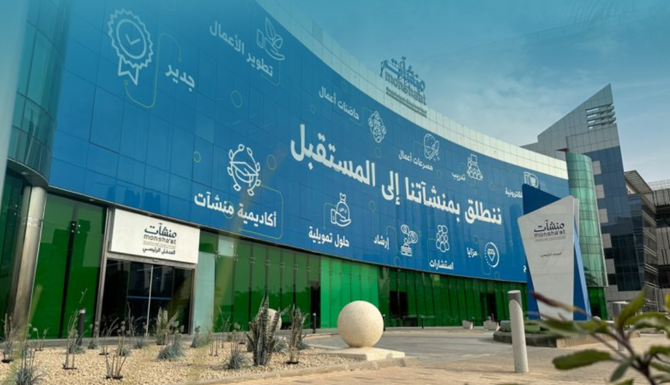
Riyadh emerged as the hub for 42.3 percent of the SMEs by the end of the second quarter. (Supplied)
Short Url
Updated 22 August 2023
Follow

SME count in Saudi Arabia surges by 2.6% to reach 1.23m in Q2 

RIYADH: Saudi Arabia’s small and medium enterprise landscape saw a 2.6 percent uptick in the second quarter of 2023, with the number of SMEs reaching 1.23 million, up from 1.2 million in the first quarter, according to official data.  

Riyadh emerged as the hub for 42.3 percent of the SMEs by the end of the second quarter, the latest report released by the Small and Medium Enterprises General Authority, Monsha’at, showed.  

The Makkah region and the Eastern Province followed with 18.6 percent and 10.9 percent, respectively. The Aseer Province hosted 5.3 percent of the SMEs, while other cities collectively accounted for 22.9 percent of the total. 

The report provided a breakdown of Saudi Arabia’s SME ecosystem, revealing the presence of 17,888 medium-sized companies, 152,825 small-sized establishments, and 1.06 million micro-sized firms. 

In terms of specific regions, the Riyadh province housed 518,516 SMEs by the second quarter’s conclusion, while the Eastern Province hosted 228,337. Aseer region’s contribution stood at 64,440 SMEs. 

Hashim Al-Dabbagh, acting CEO of Aseer Development Authority, attributed the sector’s growth to Saudi Arabia’s investor-friendly environment. He added: “Our nation’s advanced regulatory and legislative environment has helped to establish an investor base that believes in Saudi Arabia’s economic direction, which has resulted in unprecedented growth in the volume and quality of startup deals.” 

Promoting the SME sector aligns with Saudi Arabia’s Vision 2030 goals. The vision aims for SMEs to contribute 35 percent of the gross domestic product by 2030, with a significant role in reducing the unemployment rate from 11.6 percent to 7 percent and increasing women’s workforce participation from 22 percent to 30 percent. 

Amid a decline in venture capital funding in the Middle East and North Africa region during the second quarter of 2023, Saudi Arabia maintained its leadership, raising $446 million in the first half of the year, the report outlined.

It further noted that 42 percent of all MENA funding to SMEs during the first half of 2023 was directed to Saudi Arabia. 

Al-Dabbagh emphasized the collaboration between the public and private sectors, contributing to Saudi Arabia’s pursuit of its Vision 2030 goals.  

He added: “When combined with enabling factors such as the strong collaboration between the public and private sectors, the positive growth trajectory of Saudi Arabia’s entrepreneurs and smaller businesses is providing crucial momentum to the Kingdom’s progress toward its ambitious Vision 2030 goals.” 


Saudi Arabia, Japan trade rises 38% between 2016 and 2024, minister says

Updated 11 January 2026
Follow

Saudi Arabia, Japan trade rises 38% between 2016 and 2024, minister says

RIYADH: Trade between Saudi Arabia and Japan has increased by 38 percent between 2016 and 2024 to reach SR138 billion ($36 billion), the Kingdom’s investment minister revealed.

Speaking at the Saudi-Japanese Ministerial Investment Forum 2026, Khalid Al-Falih explained that this makes the Asian country the Kingdom’s third-largest trading partner, according to Asharq Bloomberg.

This falls in line with the fact that Saudi Arabia has been a very important country for Japan from the viewpoint of its energy security, having been a stable supplier of crude oil for many years.

It also aligns well with how Japan is fully committed to supporting Vision 2030 by sharing its knowledge and advanced technologies.

“This trade is dominated by the Kingdom's exports of energy products, specifically oil, gas, and their derivatives. We certainly look forward to the Saudi private sector increasing trade with Japan, particularly in high-tech Japanese products,” Al-Falih said.

He added: “As for investment, Japanese investment in the Kingdom is good and strong, but we look forward to raising the level of Japanese investments in the Kingdom. Today, the Kingdom offers promising opportunities for Japanese companies in several fields, including the traditional sector that links the two economies: energy.”

The minister went on to note that additional sectors that both countries can also collaborate in include green and blue hydrogen, investments in advanced industries, health, food security, innovation, entrepreneurship, among others.

During his speech, Al-Falih shed light on how the Kingdom’s pavilion at Expo 2025 in Osaka achieved remarkable success, with the exhibition receiving more than 3 million visitors, reflecting the Japanese public’s interest in Saudi Arabia.

“The pavilion also organized approximately 700 new business events, several each day, including 88 major investment events led by the Ministry of Investment. Today, as we prepare for the upcoming Expo 2030, we look forward to building upon Japan’s achievements,” he said.

The minister added: “During our visit to Japan, we agreed to establish a partnership to transfer the remarkable Japanese experience from Expo Osaka 2025 to Expo Riyadh 2030. I am certain that the Japanese pavilion at Expo Riyadh will rival the Saudi pavilion at Expo Osaka in terms of organization, innovation, and visitor turnout.”

Al-Falih also shed light on how Saudi-Japanese relations celebrated their 70th anniversary last year, and today marks the 71st year of these relations as well as how they have flourished over the decades, moving from one strategic level to an even higher one.