

Where we are going today: Stroopers

1 / 9
Photos by Jasmine Bager
2 / 9
Photos by Jasmine Bager
3 / 9
Photos by Jasmine Bager
4 / 9
Photos by Jasmine Bager
5 / 9
Photos by Jasmine Bager
6 / 9
Photos by Jasmine Bager
7 / 9
Photos by Jasmine Bager
8 / 9
Photos by Jasmine Bager
9 / 9
Photos by Jasmine Bager
Short Url
Updated 20 August 2023
Follow

Where we are going today: Stroopers

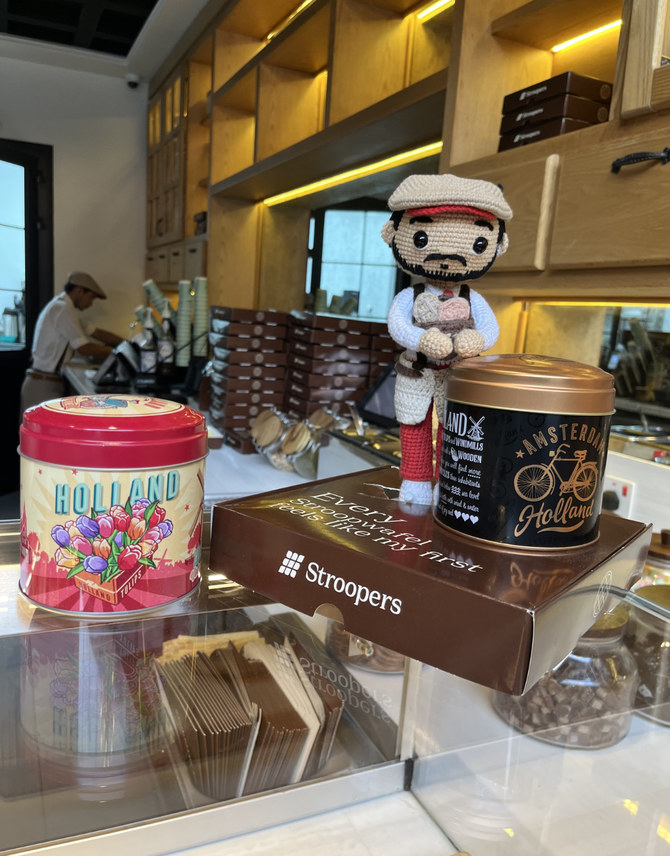
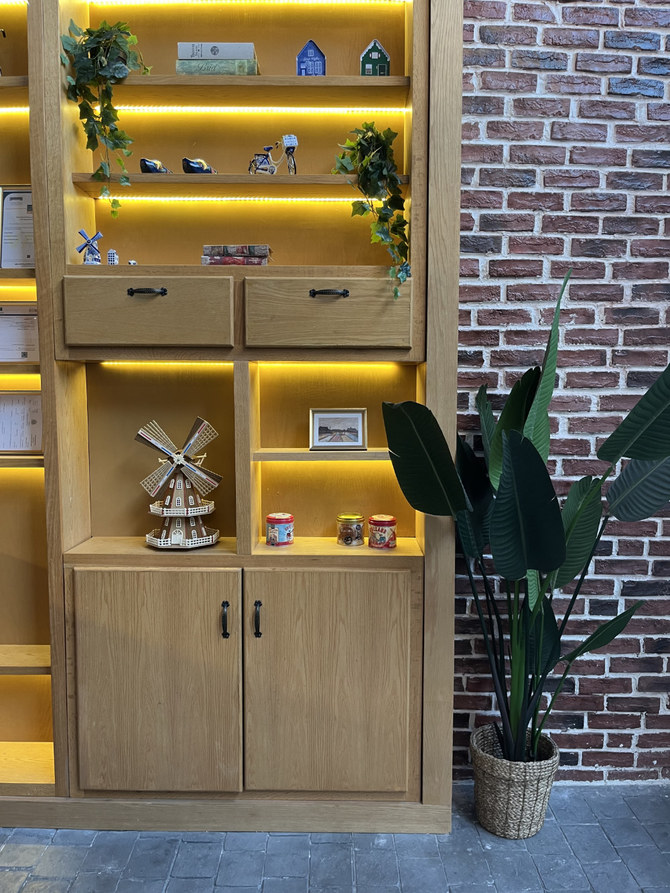
If you find yourself in Alkhobar and longing to take a bite that will transport you to Amsterdam without a seven-hour flight, look no further than Stroopers on Salaheddin Al-Ayoubi Street in Al-Rawabi.

Focusing on only one item, the stroopwafel, the two-story business opened its first outlet in the Kingdom just a few months ago.

This snack, which originated in South Holland, has become one of the best-known Dutch treats across the Netherlands and, more recently, has become an instant favorite at numerous Alkhobar grocery stores, which have sold the imported boxed version.

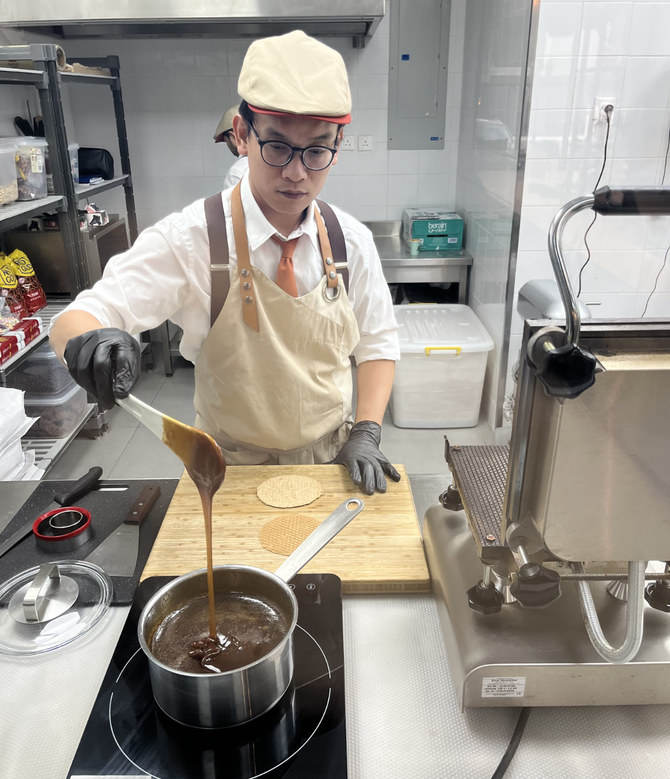
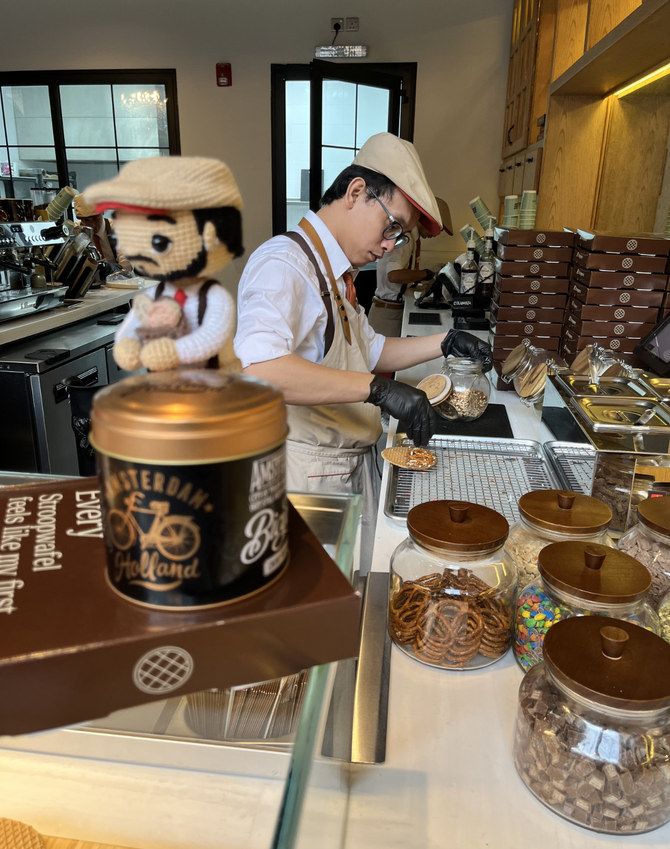
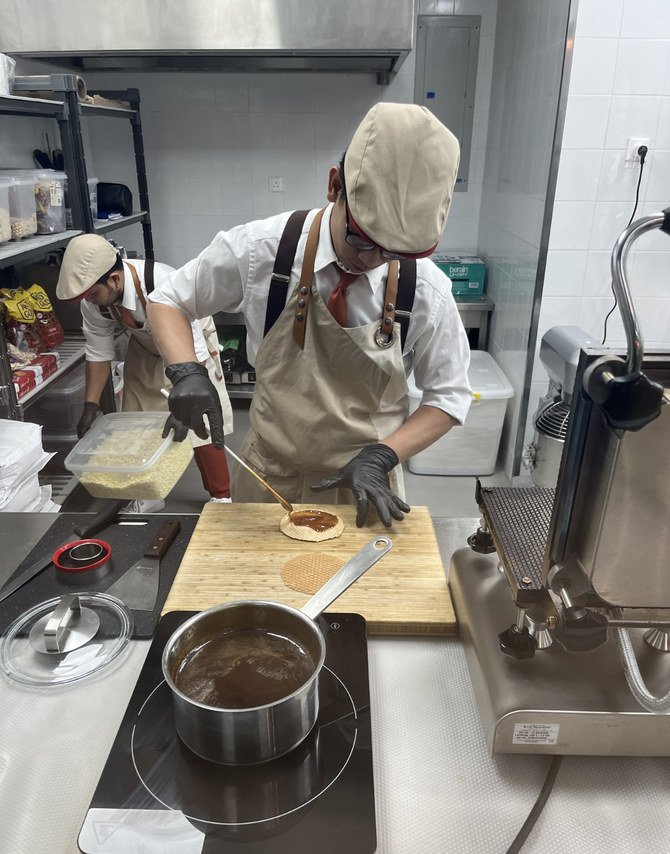
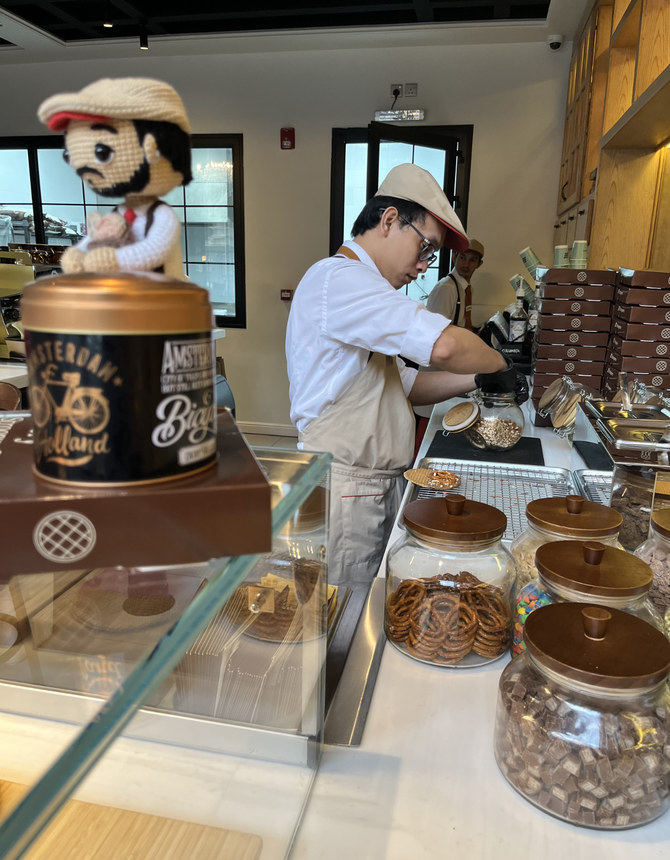
But Stroopers is the first outlet of its kind in the Kingdom to create fresh stroopwafels right in front of you.

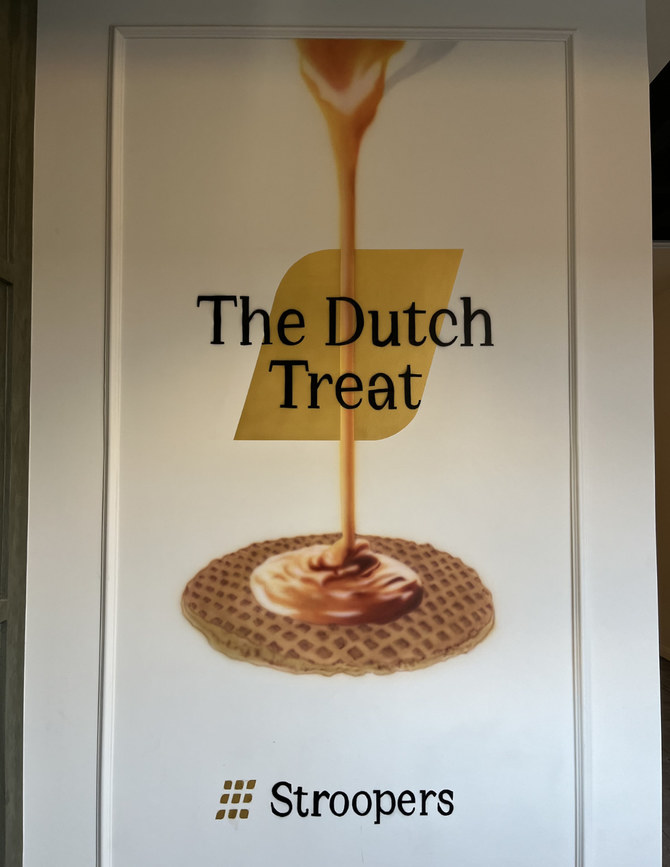
Translated as “syrup waffle,” the product is traditionally made from a stiff dough pressed into a hot waffle iron to form a uniform hashtag pattern until crisp. It is then slathered in thick, sticky caramel sauce and quickly covered with another thin wafer, making a sandwich.

According to Dutch culinary folklore, stroopwafels were first created in the late 18th or early 19th century by bakers hoping to repurpose scraps of dough by sweetening them with syrup.

Stroopers also serves hot and cold coffees. In Holland, a stroopwafel would usually be consumed by placing the wafer atop a hot beverage to allow the steam to warm up the cookie and soften the syrup to create a decadent treat.

For the scorching Alkhobar summer weather, an iced coffee is a welcome addition to the menu.

A current favorite flavor is ruby chocolate stroopwafels, which are half-dipped in a sauce made from naturally pink cocoa beans, making them fit the “Barbie” pink trend.

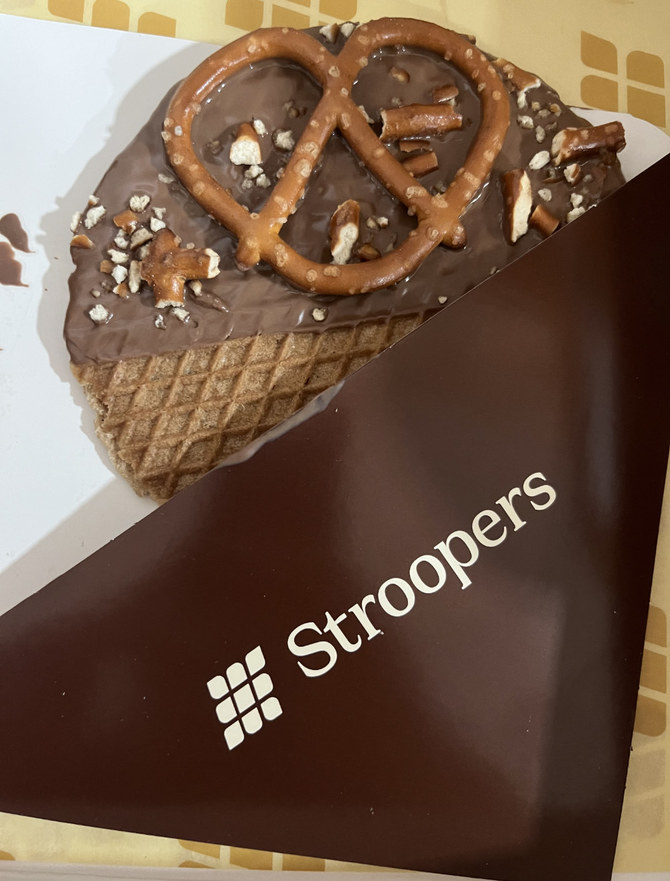
We tried the best-selling stroopwafel pretzel, which is half-dipped in chocolate, with bits of pretzel added. It was the perfect alliance of salty, sweet, chewy, and crispy all at once.

There are even funky regional favorite flavors like za’atar, in addition to candy-coated ones.

Medium sizes are sold for SR18 ($4) and large for SR29. You can even design your own, which start at SR28 for the small size and SR39 for the larger version. For those wanting to share, a box of half a dozen small, hand-dipped and topped stroopwafels will cost SR96.

The shop is open from 4 p.m. until midnight, except on Friday and Saturday when it is open until 1 a.m.

To scroll the menu or to place an order, visit @stroopers.sa on Instagram.


Mini op-ed: Recognising a shift in how people relate to wellness, self-care

Updated 05 March 2026
Follow

Mini op-ed: Recognising a shift in how people relate to wellness, self-care

DUBAI: I have spent nearly a decade working in the beauty industry in Saudi Arabia and the UAE, and Ramadan always has a way of prompting change; in habits, in priorities, and in the routines people have been carrying without question. Speaking from my own corner of the industry, one of these habits is often hair removal.

Saudi Arabia’s beauty and personal care market was valued at about $7.56 billion in 2025 and is set to grow to an estimated $8.03 billion in 2026. Within that growth, personal care encompassing the daily (sometimes unglamorous) routines hold the largest share. But market size alone does not tell the full story. A study conducted at King Abdulaziz University Hospital, Jeddah, found that three quarters of Saudi women experienced complications from temporary hair removal methods, including skin irritation, in-grown hairs and hyperpigmentation. A separate 2025 study published in the Majmaah Journal of Health Sciences found that laser hair removal was both the most considered and most commonly undergone cosmetic procedure among Saudi respondents, yet dissatisfaction with cosmetic procedure outcomes was reported by nearly half of all participants. The numbers point to a gap not in demand, but in results. 

When I launched a specialized electrolysis practice in the UAE in 2016, it was with a clear gap in mind; safe, regulated, permanent hair removal for the region’s specific needs. The range of hair types here and the prevalence of conditions such as polycystic ovary syndrome, or PCOS, demanded a method that works across all of them.  Electrolysis is the only method recognized by the US Food and Drug Administration and American Marketing Association as achieving true permanent results, regardless of hair color or type. 

Despite this, awareness in Saudi Arabia remains limited. Part of this is familiarity, laser has dominated the conversation for years, and electrolysis, which requires more sessions and a licensed electrologist’s precision, has struggled to break through. Part of it is education. Many clients who come to us have never heard of electrolysis; they come because they have exhausted everything else. 

Right now, Saudi Arabia is in the middle of a genuine transformation in how people relate to wellness and self-care. The beauty market is maturing, consumers are asking harder questions of the brands they choose and Vision 2030 has not just shaped the economy, it has shaped how Saudis are showing up in their own lives. In that context, the idea of choosing permanence over repetition lands differently.
 
Mariela Marcantetti is a beauty industry entrepreneur based between Saudi Arabia and the UAE.