
WASHINGTON: The US judge handling the historic case against Donald Trump for allegedly conspiring to overturn the 2020 election warned him on Friday against making “inflammatory” statements and said she would not allow a “carnival atmosphere” at his eventual trial.
US District Judge Tanya Chutkan issued the stern warning at a hearing between prosecutors and defense attorneys held to decide what the former president can reveal publicly about the case as it proceeds to trial.
“I will take whatever measures are necessary to protect the integrity of these proceedings,” Chutkan said during the 90-minute hearing at a federal courthouse in downtown Washington.
“Inflammatory statements about this case which could taint the jury pool,” Chutkan said in comments clearly directed at Trump and his attorneys, would force her to “proceed to trial quickly.”
Special counsel Jack Smith has asked for the trial of the former president to begin on January 2, 2024 — nearly three years to the day after Trump supporters stormed Congress in a bid to halt certification of Democrat Joe Biden’s election victory.
Defense attorneys for Trump — the current frontrunner for the 2024 Republican presidential nomination — are expected to seek a later trial date.
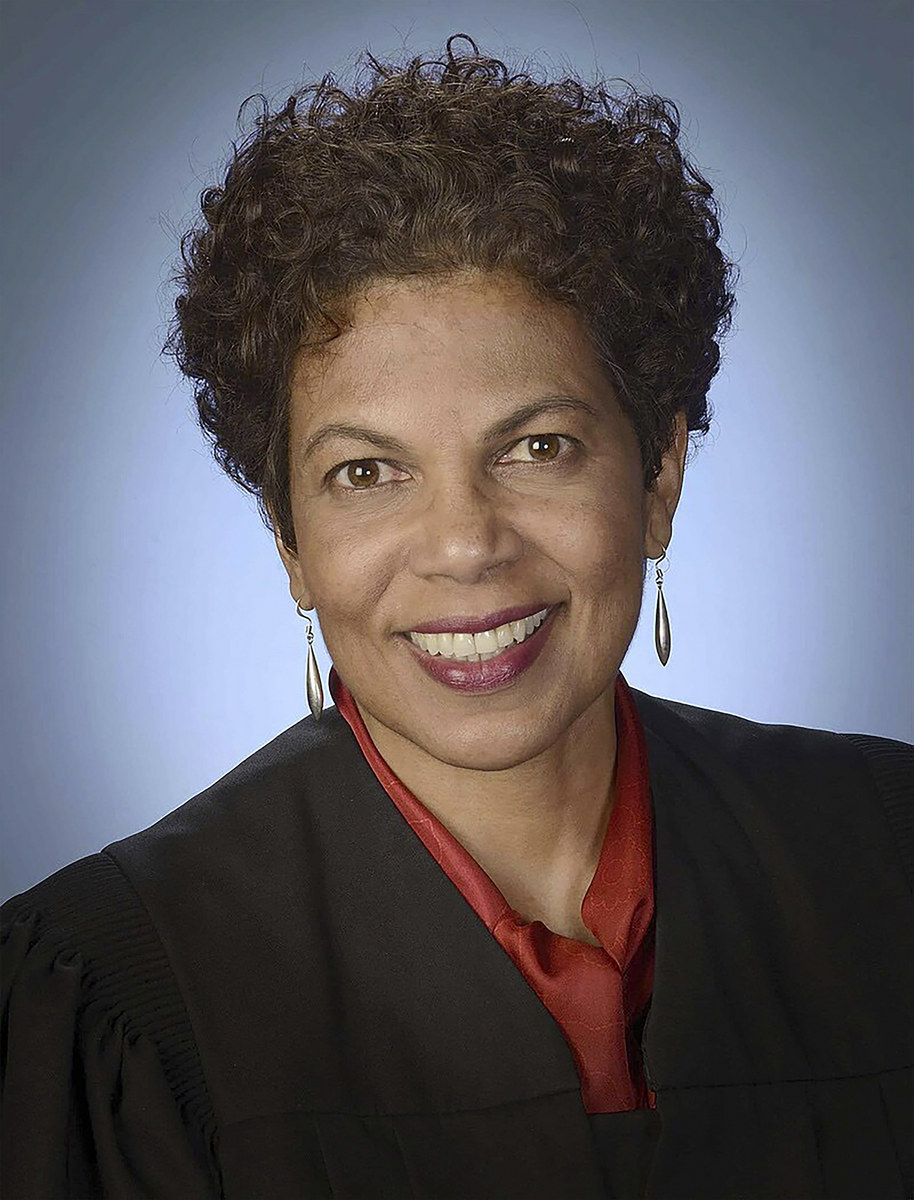
US District Judge Tanya Chutkan. (AP)
Chutkan, who was appointed by former Democratic president Barack Obama, is to set a date for the start of the trial at a hearing to be held on August 28.
The 77-year-old Trump, who has pleaded not guilty to the charges that he plotted with aides to overturn the results of the 2020 election, was not present for Friday’s hearing.
The judge said she would ensure that the former president’s rights “as a criminal defendant” are respected but his First Amendment free speech rights are “not absolute.”
“I also take seriously my obligation to prevent (what the US Supreme Court) has called a carnival atmosphere of unchecked publicity and trial by media,” Chutkan said.
The hearing was called after prosecutors sought a protective order over what Trump can reveal publicly about witnesses and evidence in the case.
Prosecutors cited a post by Trump on his Truth Social platform in which he said: “If you go after me, I’m coming after you!“
Chutkan cautioned that “even arguably ambiguous statements” could be seen as a potential bid to “intimidate witnesses or prejudice potential jurors” and she would be forced to intervene.
The judge said Trump would be allowed to review sensitive materials such as witness interviews and transcripts of grand jury proceedings without his legal team present but he cannot photograph or reproduce them.
Chutkan elicited laughter in the courtroom when she said Trump has “shown a tendency to hold on to material he shouldn’t have” — an apparent reference to his pending case in Florida for allegedly mishandling top secret government documents.
Trump is facing prosecution in multiple jurisdictions over allegations of criminal conduct before, during and after his presidency.
He is to go on trial in Florida in May in the classified documents case and in New York in March for alleged election-eve hush money payments made to a porn star.
Smith, a former war crimes prosecutor at The Hague, brought the charges against Trump in the documents case and has also charged him with conspiracy to defraud the United States, conspiracy to obstruct an official proceeding and conspiracy against the right to vote.
Trump was impeached twice while in office — first for trying to get Ukraine to dig up political dirt on Biden and then over allegations that he incited the 2021 assault on the US Capitol.