

SALIC acquires 10.7% of Brazilian poultry giant BRF

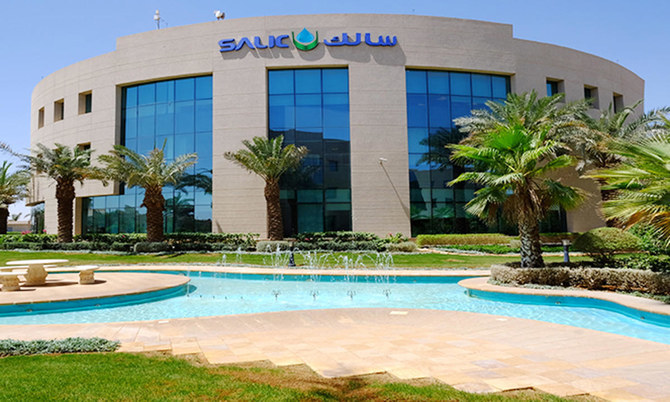
This investment is part of SALIC’s plans to widen its footprint globally and locally. (File)
Short Url
Updated 19 July 2023
Follow

SALIC acquires 10.7% of Brazilian poultry giant BRF

RIYADH: The Kingdom is all set to make a mark in the global food industry space with Saudi Agricultural and Livestock Investment Co., or SALIC, acquiring 180 million shares of BRF, Brazil’s largest poultry producer. 

According to the Saudi Press Agency, the Public Investment Fund-owned company acquired a 10.7 percent stake in BRF for SR1.27 billion ($340 million), demonstrating its commitment to the food security of the Kingdom. 

The SPA report stated that this investment is part of the company’s plans to widen its footprint globally and locally. It also emanates from the Saudi Vision 2030 to support long-term national development to ensure the sustainability of targeted basic food commodities. 

As poultry is one of the essential commodities in the Saudi market, SALIC sought to access the strategic food supply directly using its network of global investments and partnerships. 

However, Saudi Arabia has been planning to raise the percentage of its annual self-sufficiency in poultry, compared to the current rate, estimated at 43 kilograms per capita. 

The food company added that its investment in the BRF will also support its strategic directions to empower the local agri-food sector by bridging gaps along the value chain and benefiting from global expertise to raise the efficiency of local production. 

SALIC stressed that the investment in the poultry sector is an extension of its assets in major international companies to access animal protein sources to achieve food security goals in this sector at the local and global levels. 

The company added that it began a strategic investment and a qualitative partnership in 2016 with the Brazilian company Minerva Foods, one of the largest international companies in red meat, in addition to its acquisition of a 42.4 percent stake in the Saudi company Naqua, the world leader in aquaculture. 

BRF started its business 85 years ago and is the world’s third-largest poultry producer and the second-largest company in selling halal products worldwide. It is also the No. 1 brand of poultry products in Brazil, with an annual production capacity of over five million tons and over 90,000 workers in 130 countries. 


Mexico eyes trade expansion, targets Saudi market with premium rice exports

Updated 4 sec ago
Follow

Mexico eyes trade expansion, targets Saudi market with premium rice exports

RIYADH: Mexico is preparing to expand its trade ties with Saudi Arabia by exporting high-quality rice to the Kingdom, sources told Asharq Al-Awsat.

They said Mexico has an export offer for three premium rice varieties that meet the highest international standards.

Saudi Arabia imports limited quantities of Mexican rice, mainly for use in Mexican cuisine and in restaurants.

The latest initiative reflects the Kingdom’s position as one of the world’s largest rice consumers, with per capita consumption averaging 45.77 kilograms annually, the highest among plant-based food products.

Around 70 percent of consumption consists of basmati rice, while total annual imports exceed 1.3 million tonnes.

According to information obtained by Asharq Al-Awsat, the Saudi Ministry of Foreign Affairs received a request from the Mexican Embassy in Riyadh conveying the interest of the Mexican state of Nayarit in exporting premium rice to the Saudi market.

The embassy said that three rice varieties are available for export, including Super Extra Whole Grain Rice, long grain, with a monthly supply of 120 tonnes; Milagro Super Extra Rice, polished broad grain, with a capacity of 30 tonnes per month; and Morelos rice, a premium-grade variety.

Saudi Arabia has previously taken steps to encourage private-sector imports of Cambodian rice in a move aimed at diversifying supply sources alongside imports from India, Pakistan, the US, and Egypt.

Strong demand for favored rice varieties in Saudi Arabia and across the Gulf, combined with challenges such as rising shipping costs and climate-related disruptions, has occasionally led to price fluctuations. These factors have prompted the Kingdom to broaden its supplier base to ensure the availability of this commodity and maintain price stability.

The government recently decided to increase Pakistani rice imports to account for 20 percent of total needs, reinforcing supply stability and food security.

Forecasts suggest that per capita rice consumption in Saudi Arabia could rise to around 50 kg annually in the coming years, up from the current 45.77 kg, underscoring rice’s central role in the Kingdom’s food industry and traditional cuisine.