- EU’s envoy to Pakistan says the proposed extension of GSP+ means no change for Pakistan at the moment
- EU will continue monitoring progress in backsliding, report it to European Parliament and members, she adds
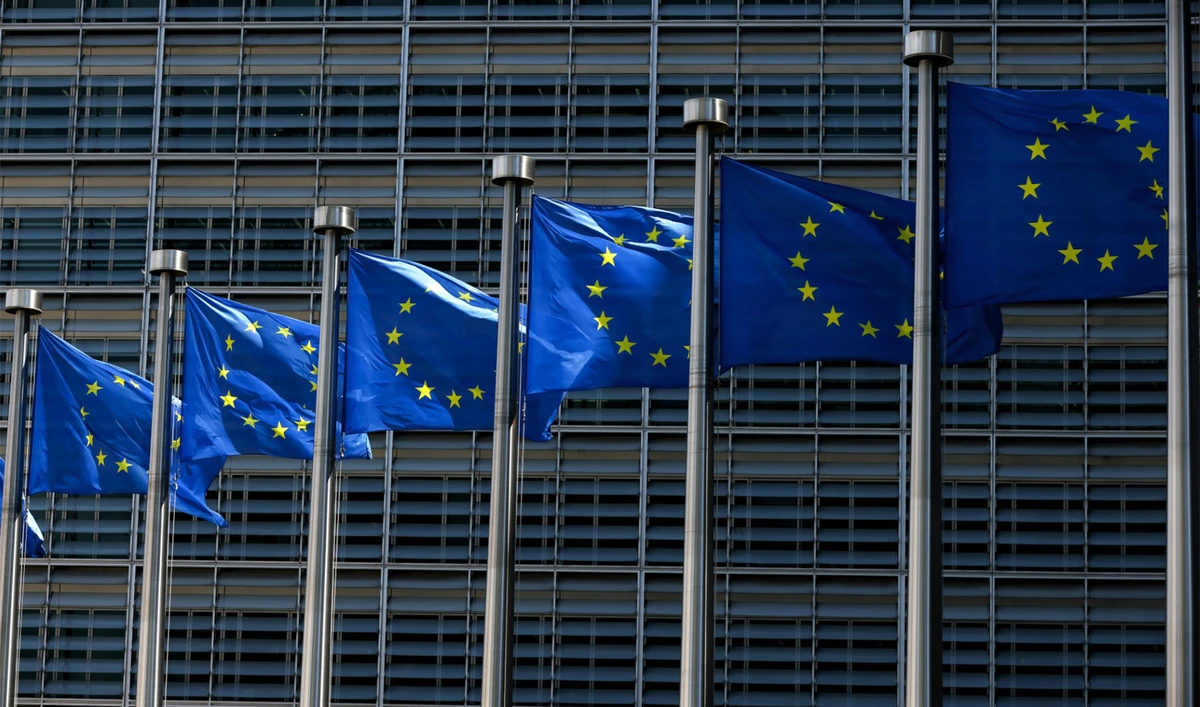
ISLAMABAD: The European Union (EU) has proposed extending Pakistan’s Generalized Scheme of Preferences Plus (GSP+) status by another four years, the EU envoy to Pakistan said, which would enable the South Asian country to enjoy the same trade preferences and access to the European market.
GSP+ is a special trade arrangement offered to developing economies by European nations in return for their commitment to implement 27 international conventions on human rights, environmental protection, and governance. The current GSP framework will come to an end in December 2023.
To maintain the benefits of GSP+, Pakistan and other beneficiary countries have to re-apply and submit a work plan, outlining their commitment to implementing the relevant international conventions.
“The proposed extension of the current regulation for the GSP+ in effect means no change for Pakistan at the moment,” Dr. Riina Kionka, the EU ambassador to Pakistan, said in a video message shared by the EU Pakistan mission on Sunday.
She said the proposed extension meant that Pakistan would enjoy the same trade preferences while also having the same obligations as before in terms of implementing effectively the 27 international human rights, labor rights, environment and governance conventions laid forth by the EU for the GSP+ status.
“It also means that the EU will continue to monitor progress in backsliding, and we will continue to report to the European Parliament and the member states,” she said, adding that the proposed continuation of the extension did not only apply to Pakistan, but to all eight GSP+ beneficiaries.
Kionka stressed the main issue was to avoid reaching a “cliff” at the end of the year as it would mean a sudden stop to the trade preferences, which would affect Pakistani exporters, factory workers and their families, European businesses that rely on Pakistani suppliers and the European consumers.
“The latest report on the GSP+ monitoring mission that came last summer will come out soon, so I don’t want to prejudice any thoughts on what it might exactly say,” she said.
“But from earlier missions, the earlier monitoring, I can tell you that there are certain areas where the EU would like to see more improvement, for instance, on freedom of expression, on the freedom of the media, certainly on freedom of religion and beliefs, the situation of minorities, the rights of women and gender equality, and also labor rights.”
Last month, Dr. Ewa Synowiec, the principal adviser at the Directorate General for Trade of the European Commission, said while Pakistan had taken steps to “effectively” implement its international commitments regarding GSP+, there still were some “deficiencies.”
“Over the last ten years, Pakistan has taken steps to effectively implement its international commitments on the 27 conventions and all of which we are scrupulously noting,” Dr. Synowiec said.
“However, deficiencies remained in many areas. The performance on international agreements and conventions is the basis of the GSP+ commitments and also the basis for the future of the program for all beneficiaries including Pakistan.”
Her comments came as Pakistan saw mass arrests of leaders from former prime minister Imran Khan’s party and the move to try them in military courts, following violent protests in May. Local and international human rights bodies raised alarm about the crackdown against Khan and his party and said military courts infringe on due legal process.
Leading journalists were also picked up, with rights groups pointing fingers at Pakistan’s powerful intelligence services often suspected of intimidating critics in this way. Their involvement has rarely been proven.