- Tanners say average cost of animals has increased by 40 percent from last year
- Representatives of charities, seminiaries complain low prices of hides have reduced earnings
KARACHI: Pakistanis sacrificed over six million animals, including goats, sheep, cows and camels, worth about Rs531 billion ($1.9 billion) during the three-day Eid Al-Adha festival last month, according to estimates shared by Pakistani tanners.
Eid Al-Adha is one of the two most important festivals of the Islamic calendar. Muslims mark the Eid Al-Adha holiday by slaughtering animals such as sheep and goats, and sharing the meat among family, friends and the poor.
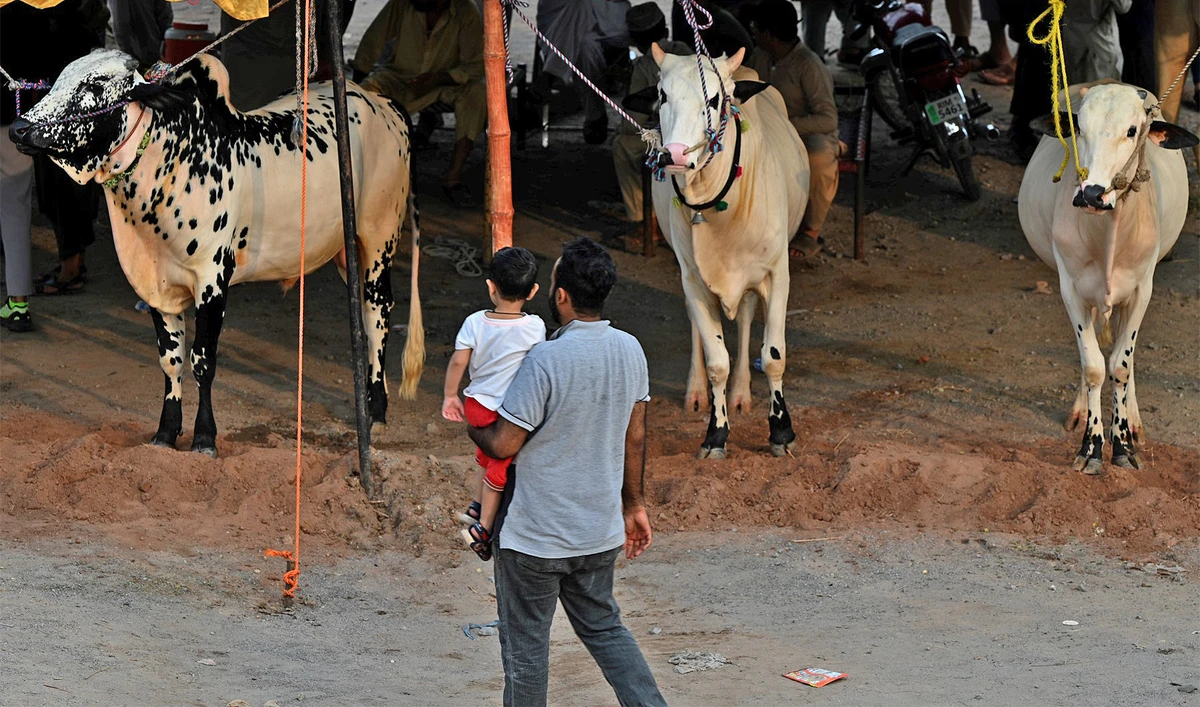
This year 6.1 million animals, including 2.6 million cows, 3 million goats, 350,000 sheep, 150,000 buffalos and 87,000 camels, were sacrificed in Pakistan on Eid Al-Adha, as per preliminary data compiled by the Pakistan Tanners Association (PTA) on the basis of hides received by tanneries.
Tanners purchase hides to prepare leather products and this year paid around Rs7 billion ($25.7 million) to middlemen and brokers.
“As per the estimates, 6.1 million animals were sacrificed this year,” PTA chairman Muhammad Mehr Ali told Arab News this week. “The festival of Eid Al-Adha contributes around 37 percent of the annual requirement of basic raw material for the country’s leather sector.”
The estimates suggested that the average cost of animals had increased by around 40 percent from last year’s Rs376 billion ($1.8 billion) to Rs531 billion ($1.9 billion).
“Last year over 6.3 million animals worth Rs376 billion were sacrificed on Eid, including Rs200 billion worth of cows and Rs140 billion worth of goats,” Agha Saidain, a former PTA chairman who has prepared a comparison report, said on Saturday.
This year, according to Saidain, the value of sacrificial animals and their skins had increased due to higher prices as compared to last year.
“According to provisional data, the cost of cows slaughtered this year was Rs390 billion, goats Rs150 billion, sheep Rs12 billion and camels worth Rs19 billion were slaughtered,” he said.
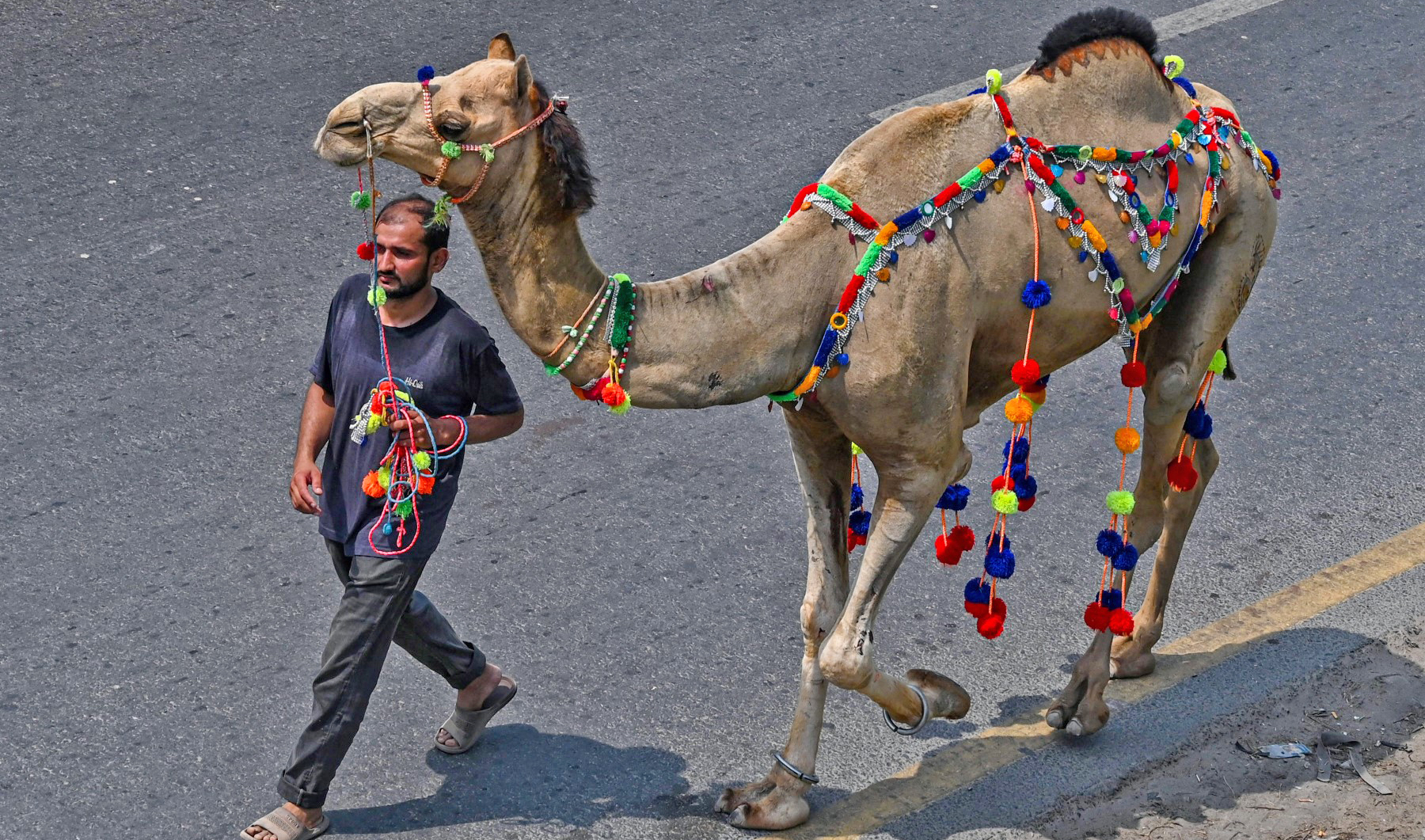
Saidain said Eid generated economic activity worth over Rs550 billion ($2 billion), including payments to butchers, transportation and fodder sales.
Besides economic activity, the festival helped religious seminaries and charity organizations raise donations by collecting animal hides and selling them to tanners. Religious schools and charities however say they were not able to raise much from the sale of hides in recent years.
“The madaris (seminaries) and other charity organizations are now being offered very low prices for skins and hides since last couple of years,” Talha Rehmani, a spokesman for the Wifaq-ul-Madaris federation of seminaries, told Arab News on Saturday.
“The average annual expenditure of a large to medium religious school is around Rs20 million,” Rehmani said. “As compared to the past, the income generated through skin and hide sales cover very little expenditures of madaris, so they are not largely dependent on this source of income.”
Charity organization representatives said they collect hides to meet expenses for welfare projects, but they have not been getting the “right prices.”
“We have collected around 0.8 million skins and hides alone in Karachi,” Rashid Qureshi, executive director of the Al-Khidmat Foundation that runs several hospitals and welfare projects, told Arab News.
“We are not getting the right prices despite the fact that the money is used for welfare purposes. We want the government to fix the rates of hide and skins as per international markets so that tanners could pay the right prices.”
Tanners, however, say the demand and prices of skins and hides have been declining in Pakistan due to low demand for leather in the international market.
However, the Eid Al-Adha festival boosted the country’s livestock sector which has emerged as the largest contributor to agriculture, accounting for approximately 62.68 percent of the agricultural value addition and 14.36 percent of the national gross domestic product (GDP) in the last fiscal year ending on June 30.
Over 8 million rural families have been engaged in livestock production and deriving 35-40 percent of their income from this sector, according to the Economic Survey of Pakistan.