

National Housing Co. strikes deal with private sector to boost electricity supply for over 11,700 homes

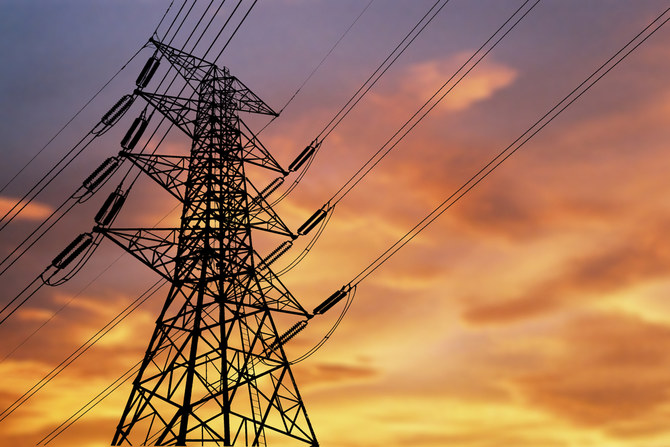
The collaboration with the private sector aims to improve the electricity system and provide high-quality services to communities (Shutterstock)
Short Url
Updated 03 July 2023
Follow

National Housing Co. strikes deal with private sector to boost electricity supply for over 11,700 homes

RIYADH: In an effort to enhance the electricity infrastructure in its residential projects, Saudi Arabia’s National Housing Co. has announced a strategic partnership with the private sector to establish electrical stations in Riyadh and Jeddah.  

NHC has received approval for the construction of electrical stations in three massive projects, which will cater to over 11,700 housing units.   

By optimizing the operation of the electricity system, this initiative will deliver a seamless and efficient power supply to meet the needs of residents in these developments.  

The collaboration with the private sector aims to improve the electricity system and provide high-quality services to communities.   

As one of the leading entities in Saudi Arabia’s real estate development sector, NHC is committed to delivering its housing units to beneficiaries upon completion and is working to expedite the handing over of the remaining units.  

It is striving to meet the objectives of Vision 2030’s housing program which aims to increase the rate of home ownership from 47 percent in 2016 to 70 percent in 2030.  

In May, NHC and the Saudi Contractors Authority signed a memorandum of understanding during the Future Projects Forum in Riyadh to develop a platform to enhance cooperation and efficiency.  

Under the agreement, both parties will organize joint workshops to identify areas of cooperation to ensure high-quality service.  

The deal seeks to empower Saudi companies to contribute to the localization of the contracting sector and enable small and medium enterprises to find solutions to overcome challenges faced by the real estate market.  

In January, Majid Al-Hogail, the Saudi minister of housing and municipal and rural affairs, also launched NHC’s online platform to connect contractors and real estate developers with government-approved suppliers of building materials.    

The platform provides low-cost access to different building materials with the goal of enhancing production efficiency, lowering the cost of housing units and promoting house ownership.


Emerging markets should depend less on external funding, says Nigeria finance minister

Updated 10 February 2026
Follow

Emerging markets should depend less on external funding, says Nigeria finance minister

RIYADH: Developing economies must rely less on external financing as high global interest rates and geopolitical tensions continue to strain public finances, Nigeria’s finance minister told Al-Eqtisadiah.

Asked how Nigeria is responding to rising global interest rates and conflicts between major powers such as the US and China, Wale Edun said that current conditions require developing countries to rethink traditional financing models.

“I think what it means for countries like Nigeria, other African countries, and even other developing countries is that we have to rely less on others and more on our own resources, on our own devices,” he said on the sidelines of the AlUla Conference for Emerging Market Economies.

He added: “We have to trade more with each other, we have to cooperate and invest in each other.” 

Edun emphasized the importance of mobilizing domestic resources, particularly savings, to support investment and long-term economic development.

According to Edun, rising debt servicing costs are placing an increasing burden on developing economies, limiting their ability to fund growth and social programs.

“In an environment where developing countries as a whole — what we are paying in debt service, what we are paying in terms of interest costs and repayments of our debt — is more than we are receiving in what we call overseas development assistance, and it is more than even investments by wealthy countries in our economies,” he said.

Edun added that countries in the Global South are increasingly recognizing the need for deeper regional integration.

His comments reflect growing concern among developing nations that elevated borrowing costs and global instability are reshaping development finance, accelerating a shift toward domestic resource mobilization and stronger economic ties among emerging markets.