- Spanning over 5.5 acres of land, Kakri Ground is one of Karachi’s troubled neighborhood Lyari’s most iconic landmarks
- Once in a dilapidated condition, the ground now has a football turf, karate area, boxing arena, and other sports facilities
KARACHI: The sight of glaring overhead floodlights, freshly painted stands and a gleaming astroturf greets a person when one of the most iconic landmarks of Karachi’s Lyari area, the Kakri Ground, comes into view.
Lyari, once counted among the southern port city of Karachi’s most dangerous areas where drugs and murders for turf among its narrow lanes cluttered with shantytowns used to be common, has also produced fiercely talented boxers and footballers. Such is the craze for football in the neighborhood that it has earned the name “Mini Brazil” over the decades.
Hence, it’s only natural that Kakri Ground— originally known as Muhammad Ali Jauhar Park— is one of Lyari’s most popular landmarks. Spread over an impressive 5.5 acres of land, it was here that slain former prime minister Benazir Bhutto, whose Pakistan Peoples Party till date is the most popular party in Lyari, got married to former Pakistani president Asif Ali Zardari in December 1987.
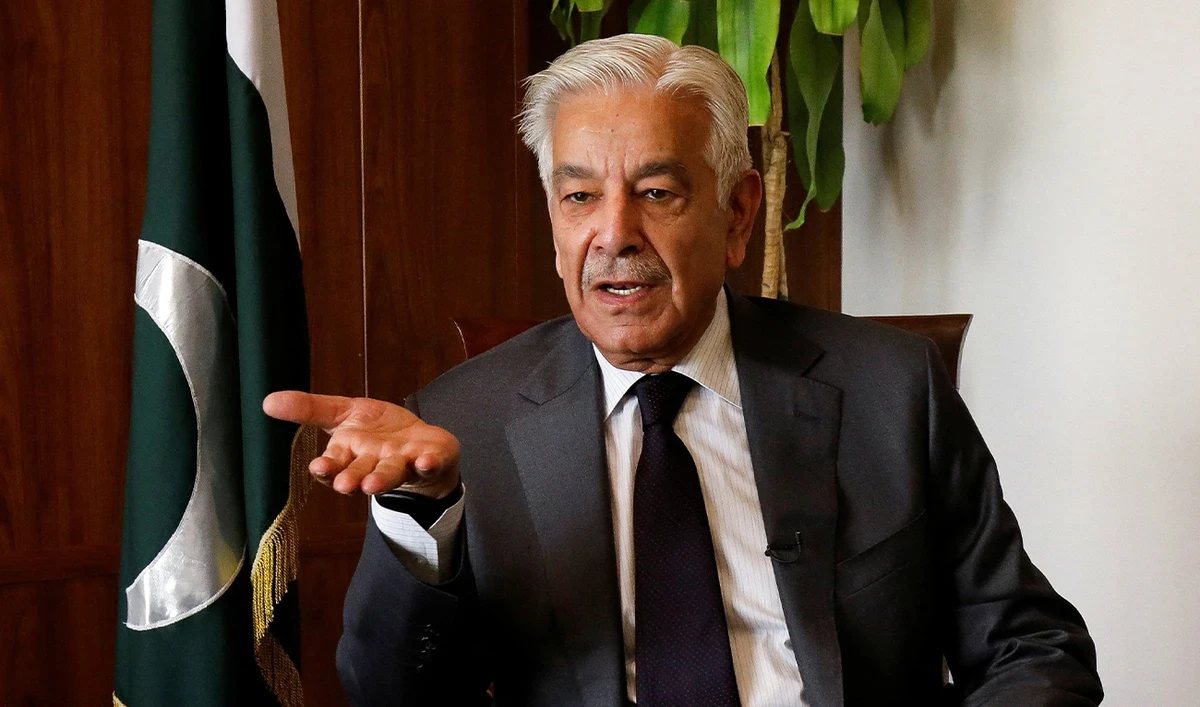
“It’s something which is a fantastic addition to the sporting atmosphere of Karachi, and we hope sincerely that the people of Lyari would take care of this very great initiative,” Murtaza Wahab Siddiqui, Karachi’s newly elected mayor, told Arab News.
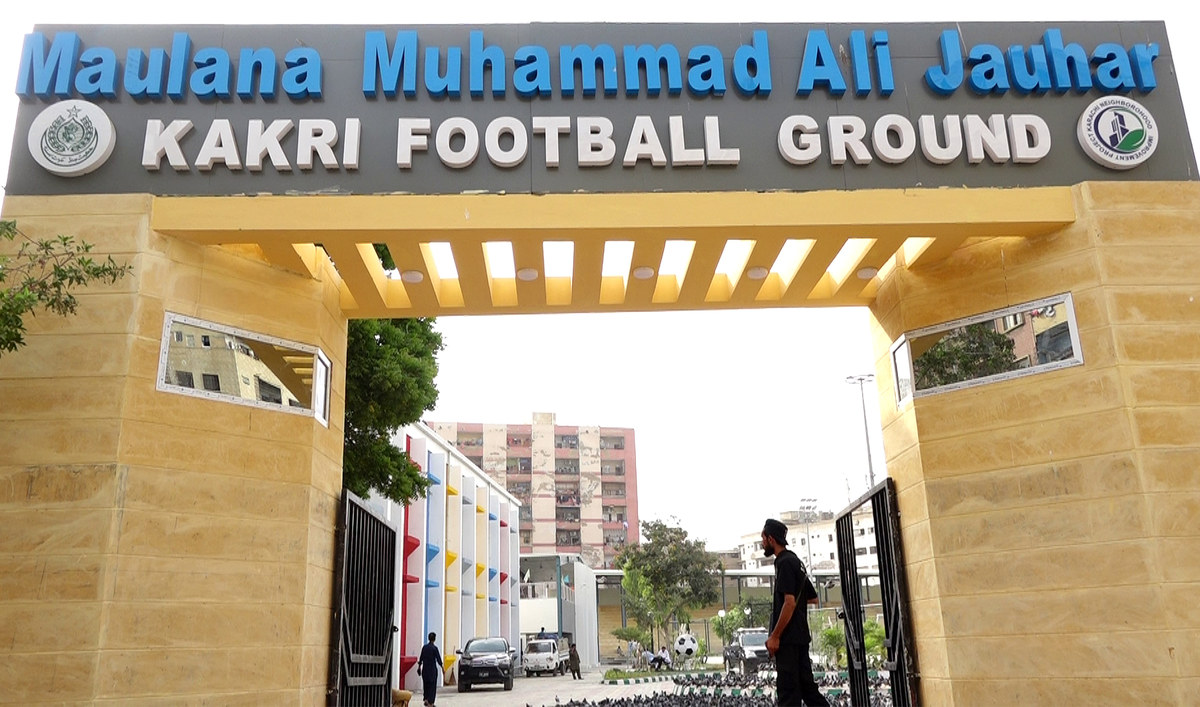
Despite the fervor for sports in the area and Kakri Ground’s significance in Lyari, like most of the neighborhood, the massive ground too suffered from neglect and was anything but a sight for sore eyes.
Up until a few months ago, the ground was covered in thick layers of dust and stones. One would happen upon footballers dribbling in one part of the shared space, while people jogged in another. Political parties, especially the PPP, would invite large crowds for public gatherings at Kakri Ground while it was also a popular venue for wedding functions.
Siddiqui said he decided to transform Kakri Ground into a multi-purpose state-of-the-art sports facility a few years ago under the Karachi Neighbourhood Improvement Project, a joint venture between Sindh government and the World Bank.
The joint venture aims to enhance public spaces and improve mobility in specific neighborhoods across the city. Nazeer Memon, Karachi Neighbourhood Improvement Project director, hoped Kakri Ground’s transformation would have a positive impact on Lyari’s youth.
“We have converted it into a sports complex that consists of so many facilities,” Memon said, adding the ground was improved as per FIFA’s international requirements. He said the astroturf was imported from the UK while the complex houses a building dedicated for karate and also features a boxing arena.
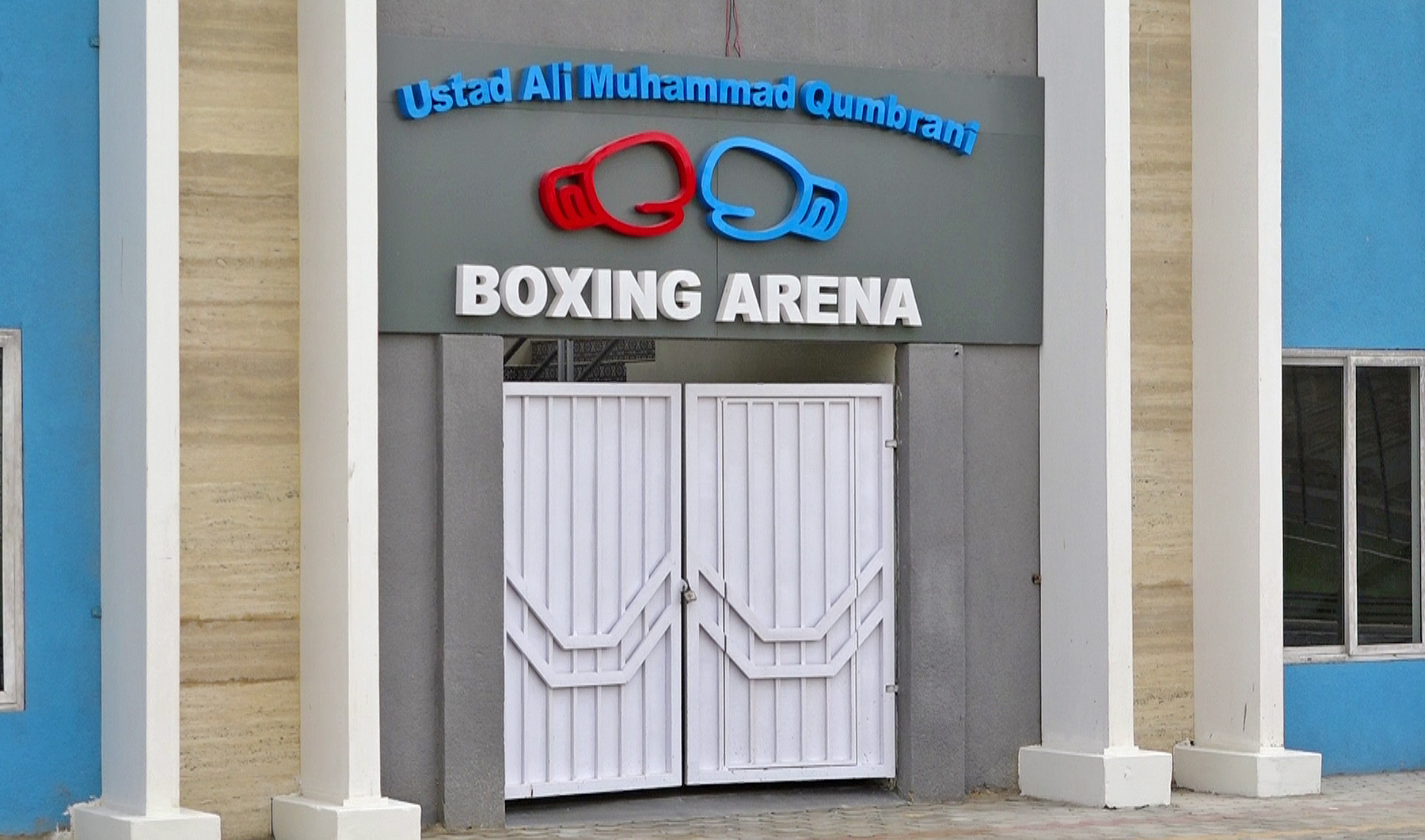
There’s also an indoor gymnasium where aspiring athletes have basketball, table tennis and volleyball facilities at their disposal. Kakri Ground’s stands can accommodate an estimated 6,000-7,000 people.
“We have a futsal ground which is a practice ground and also a new complete sports complex building where there is a table tennis [area], where there are libraries and cafeterias for men and women both,” Memon shared.
Siddiqui said women and girls were also welcome at the sports complex and could avail its facilities. Pointing toward a practice pitch in the corner of the ground, the Karachi mayor said it was reserved exclusively for girls.
“And if the girls want to play in this fantastic ground, they’re more than welcome to use the facility,” he added.
And the girls couldn’t be more excited.
“With this new setup, the confidence of the girls will increase, and they will further shine while enjoying a modern sports facility right in their neighborhood,” Manwa Arab, a local footballer, told Arab News.
Shakil Ahmed Qambrani, a 50-year-old former boxer and long-time Lyari resident, is overjoyed at Kakri Ground’s transformation.
“Everything has been developed, and we, the residents of Lyari, have been facilitated,” Qambrani told Arab News. He hoped the ground would no more be used for non-sporting activities.
“We have finally gotten rid of the dust and the wedding ceremonies.”