- Since mid-April the war has uprooted more than 2.5 million people from their homes and threatened to destabilize neighboring countries suffering from a combination of conflict, poverty and economic pressures
DUBAI: Residents of the city of Kadugli in southwest Sudan have begun fleeing the city as tensions escalated between the army and a powerful rebel group, threatening to open another area of conflict in the country’s ongoing war, witnesses said.
Mobilization around Kadugli, capital of South Kordofan state, and an escalation of fighting in Darfur come after nearly 10 weeks of fighting focused in the capital, Khartoum, between Sudan’s army and the paramilitary Rapid Support Forces.
The US and Saudi Arabia adjourned talks they had been facilitating in Jeddah, US Assistant Secretary of State Molly Phee said at a congressional hearing in Washington.
“The format is not succeeding in the way that we want,” she said, after a series of violated cease-fire agreements.
Since mid-April the war has uprooted more than 2.5 million people from their homes and threatened to destabilize neighboring countries suffering from a combination of conflict, poverty and economic pressures.
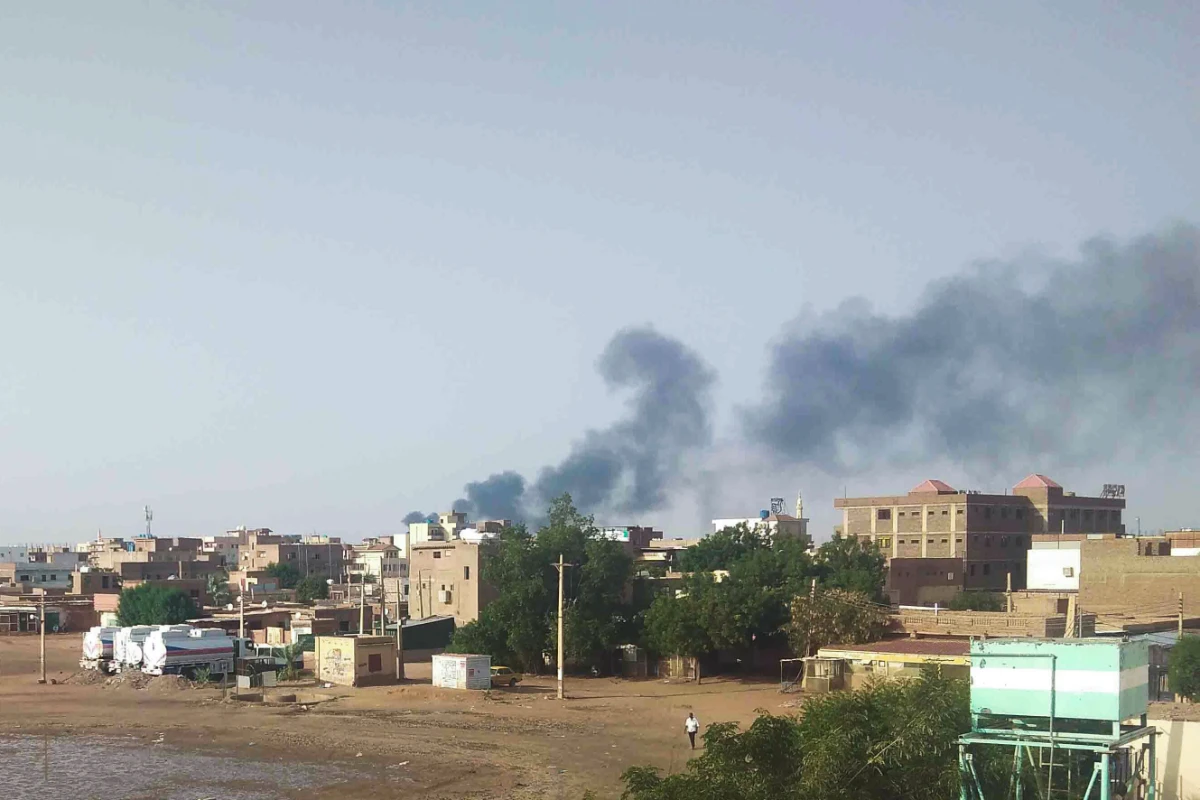
In the fighting between the army and the RSF, army air strikes on Thursday morning hit areas of southern Khartoum and Omdurman, and the RSF responded with anti-aircraft weaponry, residents said.
The army on Wednesday accused the SPLM-N rebel group led by Abdelaziz Al-Hilu, which controls parts of South Kordofan state, of breaking a long-standing cease-fire agreement and attacking an army unit in the city.
The army said it had fought back the incursion but sustained losses.
South Kordofan has Sudan’s main oil fields and borders West Darfur State as well as South Sudan.
The SPLM-N, which has strong ties to South Sudan, also attacked the army in the South Kordofan city of Al-Dalanj on Wednesday, as did the RSF, residents said.
Residents of Kadugli said the army had redeployed forces to protect its positions in the city, while the SPLM-N was gathering in areas on the outskirts.
There were electricity and communications outages as well as dwindling food and medical supplies, they said.
The war has also brought an eruption of violence in Darfur, with the West Darfur city of El Geneina worst hit.
In Al Fashir, capital of North Darfur, the army and the RSF clashed violently, including around the main market, witnesses said after having deployed across the city, witnesses said.
Nyala, capital of South Darfur and one of Sudan’s largest cities, has also seen clashes between the army and RSF in recent days, amid electricity and communications blackouts. Both cities had been relatively calm after locally negotiated truces.