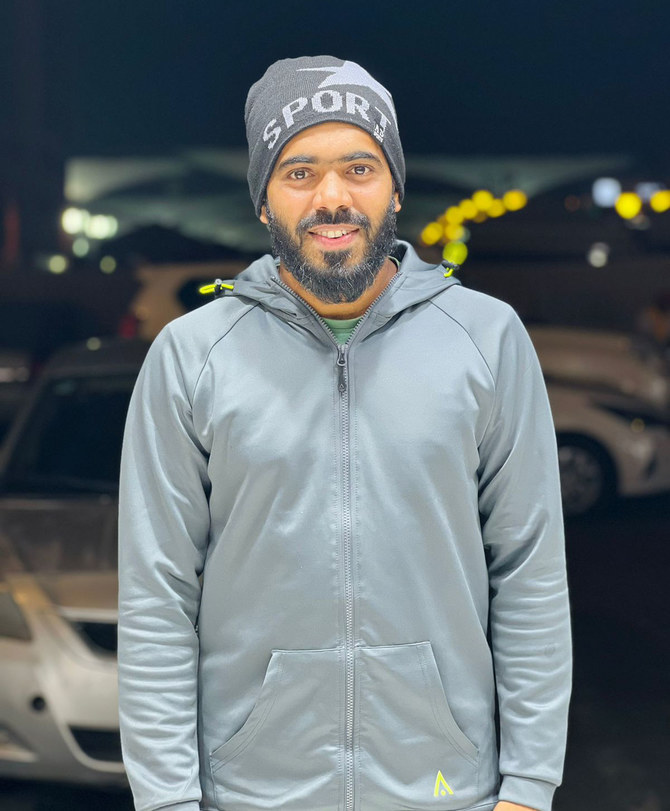

JEDDAH/RIYADH: An Indian man has fulfilled a lifelong dream to walk all the way from his hometown in Kerala to Makkah for Hajj — a distance of 8,640 kilometers.
Shihabudeen Sayid Alawi, also known as Shihab Chottur, crossed five countries — India, Pakistan, Iran, Iraq and Kuwait — to reach Makkah in one year and 17 days.
He left Kerala on June 2, 2022, and reached Makkah on June 7.
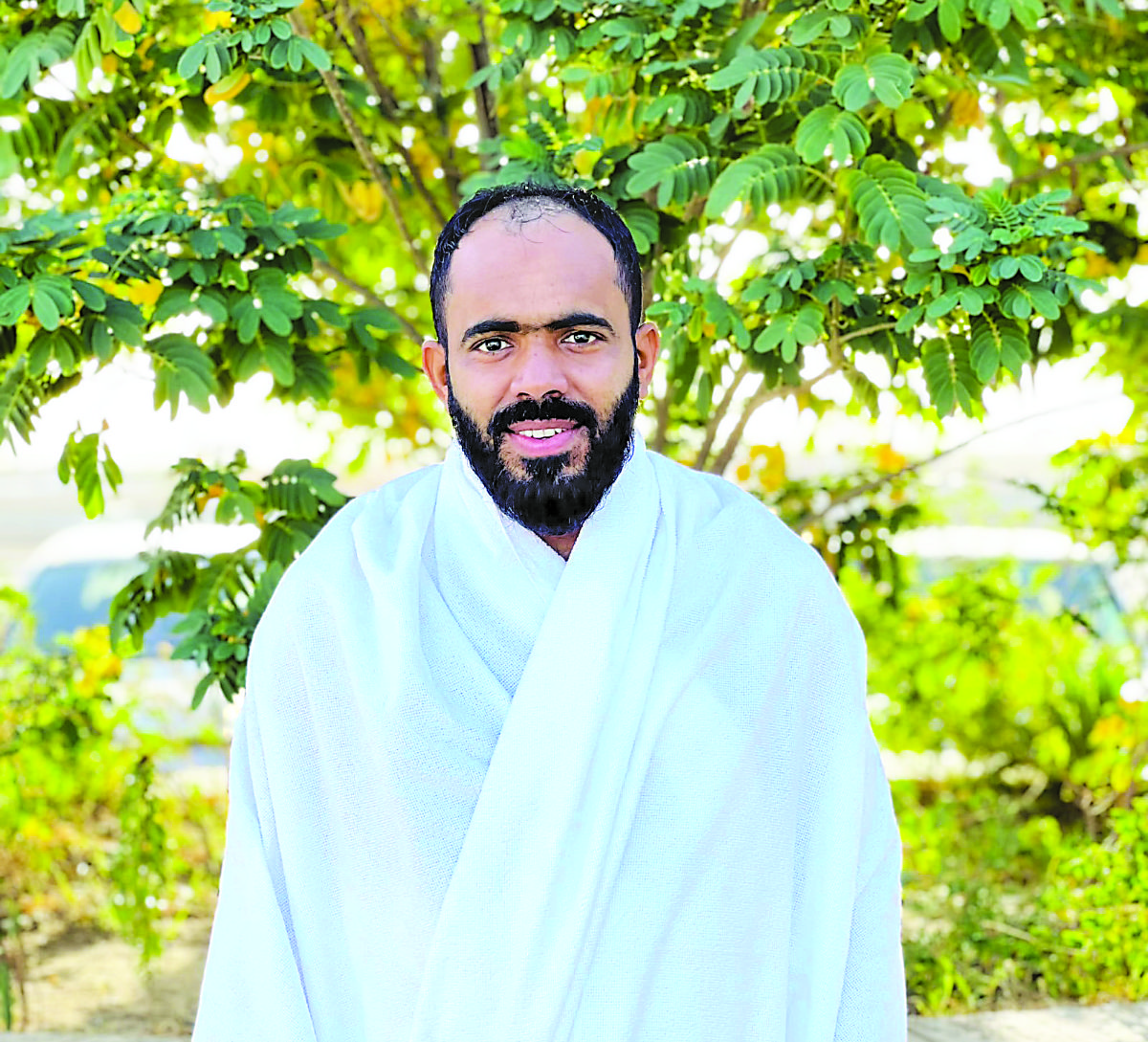
Shihabudeen Sayid Alawi covered a distance of 8,640 kilometers, crossing five countries and receiving heartwarming support and encouragement from local communities along the way. (Photo/Shihab Chottur)
“It was a Ramadan day when I made it to the Kuwaiti-Saudi borders at 5:17 a.m. I bent the knee and I touched the sands of Saudi Arabia,” Alawi told Arab News in an exclusive interview.
Alawi first traveled to Madinah. “I felt like my journey (was) accomplished once I reached the Prophet’s Mosque. I visited (the) Rawdah, and I was sure I would be able to reach Makkah and perform Hajj.”
HIGHLIGHTS
• Shihabudeen Sayid Alawi crossed five countries to reach Makkah: India, Pakistan, Iran, Iraq and Kuwait.
• He left Kerala on June 2, 2022, and reached Makkah, a year later, on June 7, 2023.
• The minimalist traveler carried a hiking stick and a backpack equipped with essentials.
• Alawi has more than 4.9 million followers on Instagram, 1.5 million on YouTube, and a verified Facebook page.
Once Alawi reached Makkah, he forgot all the challenges and hardships he had endured during the year-long journey. He “prayed for hours” for those who offered him support, and who had asked for prayers in front of the Kaaba. “I have prayed for the entire Muslim Ummah.”
Speaking of his journey, Alawi said: “In India and Pakistan, people supported me and gathered around me. In Iran and Iraq no one recognized me, but once I crossed the Kuwaiti borders people who knew about the journey started contacting me, asking to see me and supporting me.”
“At every country I stopped by I received assistance from officials, police, military, and those who recognized me, invited me over to stay at their homes.”
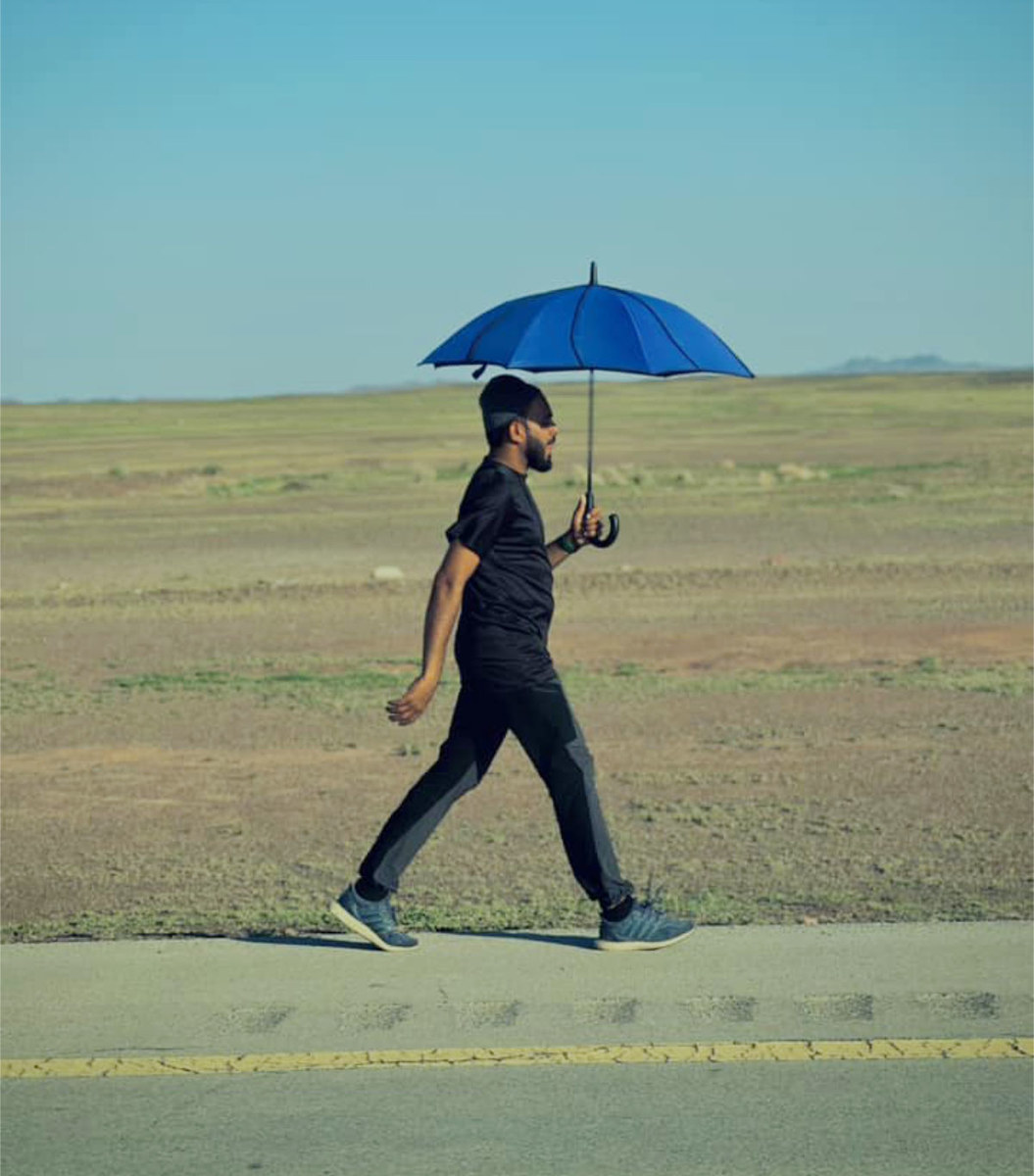
"I used money from my savings for this trip, but I could hardly use that money as my Muslim brothers from all the countries I have crossed took good care of me all the time", Alawi told Arab News in an exclusive interview. (Photo/Social Media)
The 31-year-old father of three daughters said he took a year to prepare for the arduous journey. To ensure smooth access to all the countries he needed to cross, Alawi visited diplomatic missions in New Delhi to obtain visas.
“I had a legal visa in all countries. Iran gave me an entry visa, Pakistan gave me a transit visa, and Kuwait police also gave me clearance, and for Saudi Arabia, I received a multiple-entry visa. Authorities here gave me a warm welcome. I have got all facilities to perform Hajj through one of (the) Hajj service providers who offered me an A-category. This shows the great love that Saudi authorities deliver to all Hajj pilgrims. I am so grateful,” he said.
The minimalist traveler carried a hiking stick, and a backpack equipped with four items of clothing, pepper spray to protect himself from wild animals, an extra pair of shoes, utensils, official documents and some money for Hajj.

Shihabudeen Sayid Alawi, the Indian man who walked 6,000 miles to perform Hajj, is pictured with the Indian consul general in Jeddah, Mohammed Shahid Alam. (Photo/Shihab Chottur)
“I used branded shoes for walking, I used six pairs before I crossed into Pakistan because it was the monsoon in India. After that, I used only one pair till I reached Madinah.”
“I used money from my savings for this trip, but I could hardly use that money as my Muslim brothers from all the countries I have crossed took good care of me all the time,” he said.
During his solo walking trip, Alawi lost 18 kilograms. He said he only ate traditional food which he described as “good for (the) soul and body.”
To reach Makkah and Madinah was my dream, and to reach there by footsteps was my goal.
Shihabudeen Sayid Alawi, Indian pilgrim
“No proteins or special food. If I got halal food, I ate it. I was utterly comfortable and mentally relaxed.”
While Alawi explored different cultures and cuisines along the route, he also had to brave nature’s various dangers.
“There were circumstances of fear often, mainly due to the presence of wild animals like tigers, bears and more. In Iran, I saw the footprints of some wild animals and I recorded what I saw with my phone camera. But only when I showed it to some people there, I realized it was footprints of a tiger. After that incident, fear started to develop inside my mind,” he said.
He added: “In Iran, it was a different experience as I had to walk across the entire Iran in snow solo, the weather condition was changing every now and then, and that was the main challenge.”
“I stayed once on a goat farm with shepherds. Those who invited me to their homes gave me food and shelter in Iran and Iraq knowing that I am a Muslim traveler.”
Alawi was motivated by his strong faith and trust in Allah. “To reach Makkah and Madinah was my dream, and to reach there by footsteps was my goal. I kept my goal always in front of my eyes and I worked hard for it and it came true.”
Alawi said he wants to be an example to others. “Many people were inspired to perform Hajj because of this journey. Hajj is a holy ritual, and I want to inspire others to perform Hajj no matter what.”
Alawi would often share snippets of his journey on social media, where he has more than 4.9 million followers on Instagram, 1.5 million on YouTube, and a verified Facebook page.