



DUBAI: The number of reported cases of spina bifida in the Gulf region and around the world is on the increase, but many doctors believe this is due to increased awareness and better diagnostic methods, rather than a spike in the condition.
Spina bifida is a birth defect that occurs when bones forming the spine do not develop properly, leading to the spinal cord being left exposed to the amniotic fluid — the liquid that surrounds the unborn child in the womb — and resulting in a permanent disability.
No one wants to be told their baby is going to have anything other than a perfect life, but as with all things in the medical world, knowledge is power.
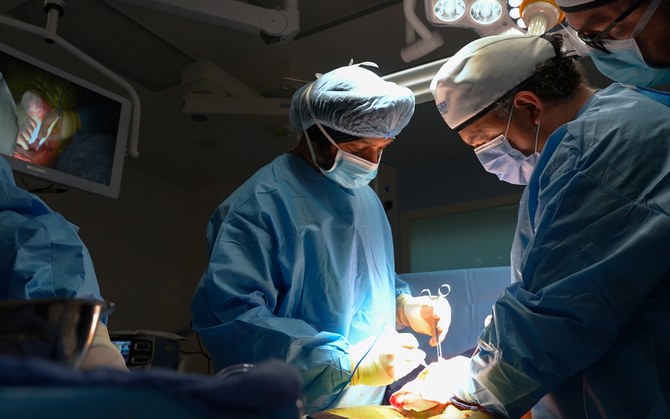
The increase in early diagnosis means there is a greater chance to improve the child’s life through prenatal surgery, and that is precisely what happened in Abu Dhabi this month.
Although the procedure is not new, it was a first for the region.
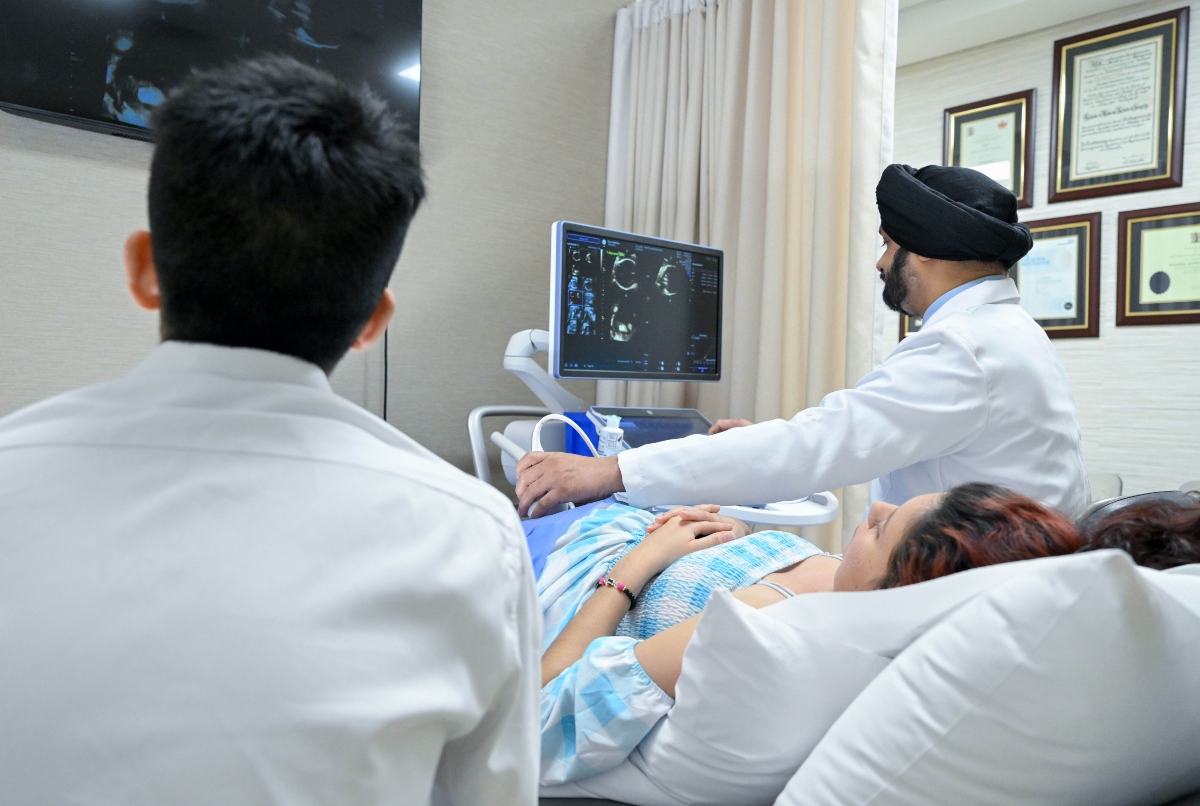
The operation was led by Dr. Mandeep Singh, a consultant in maternal and fetal medicine at Burjeel Medical City hospital.
He explained that before the breakthrough in prenatal surgery there were other procedures to treat the condition but they were more risky.
“We had to wait for the babies to be born. And then once the babies are born, the spinal cord needs to be closed within the first 24 hours, otherwise, there is the risk of infection, and that infection could go to the brain and cause meningitis, which is a very serious condition,” he said.
An initial study to see if an in utero procedure was possible was conducted in 2003.
“After 12 years of research, results showed that if you repair the defect in the womb, there is two times more power in the lower limbs and 1.5 times more likely to have reduced need for a shunt,” Singh said.
Spina bifida can be caused by many things. Although rare, it can be genetic but most of the time there are multiple factors preventing the spinal cord from closing, including a deficiency of folic acid (vitamin B), which is important for a healthy pregnancy.
If left untreated, the condition can have life-altering effects on the child.
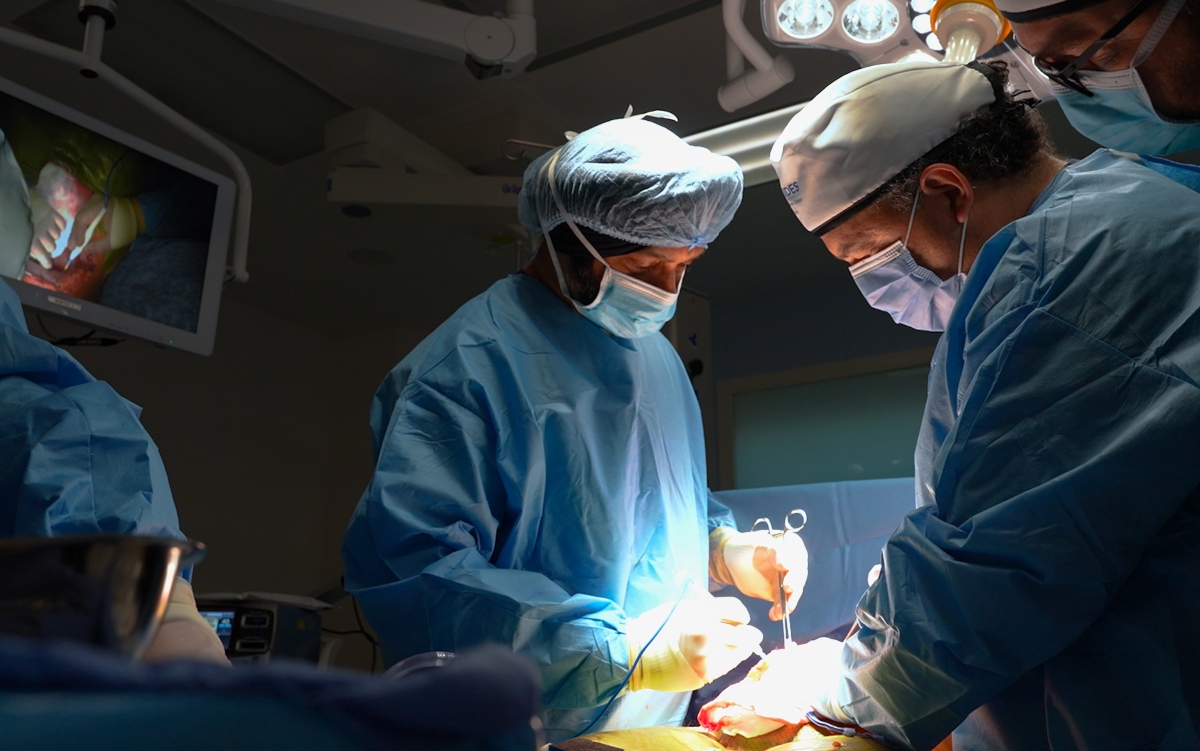
“When the spinal cord is left exposed to the amniotic fluid, it causes damage. Most of the time, the centers that are controlled by the lower part of the spinal cord, or bowel and bladder, are severely damaged.
“That means these babies may not be able to walk or run. They may in the initial part of their life, but as the upper part of the body gets heavier, they are unable to walk.
“And most of them are wheelchair-bound. Or if they can walk, it is only with support. So it’s a pretty debilitating disorder if not treated,” Singh said.
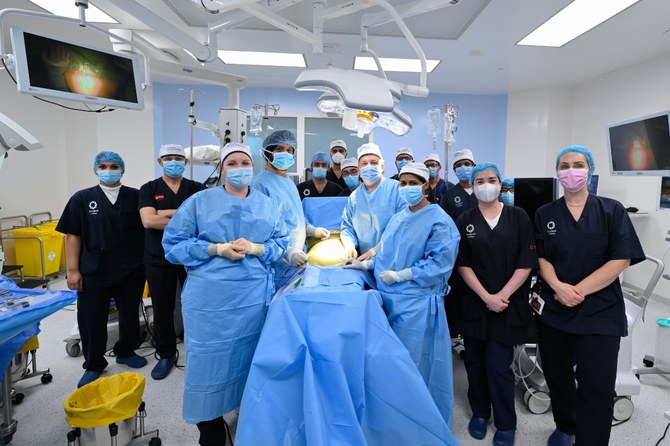
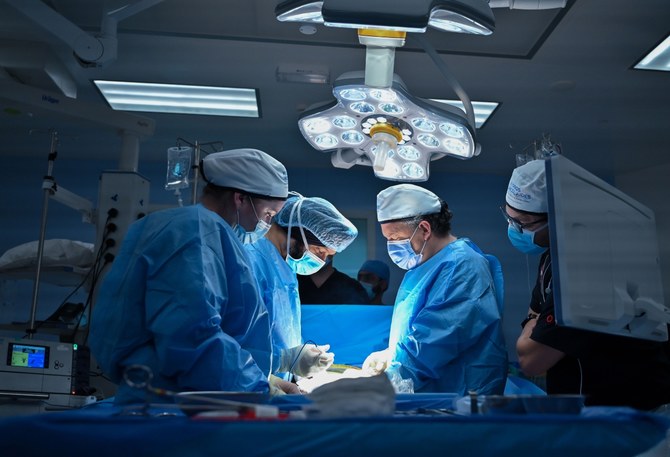
He and his team successfully performed spinal correction surgery on the unborn child of a Colombian couple.
For Jason Gutierrez and Valentina Rodriguez being told their baby had spina bifida was life-changing, not least because it meant they had to fly half way round the world, leaving everything they knew behind so she could undergo the surgery.
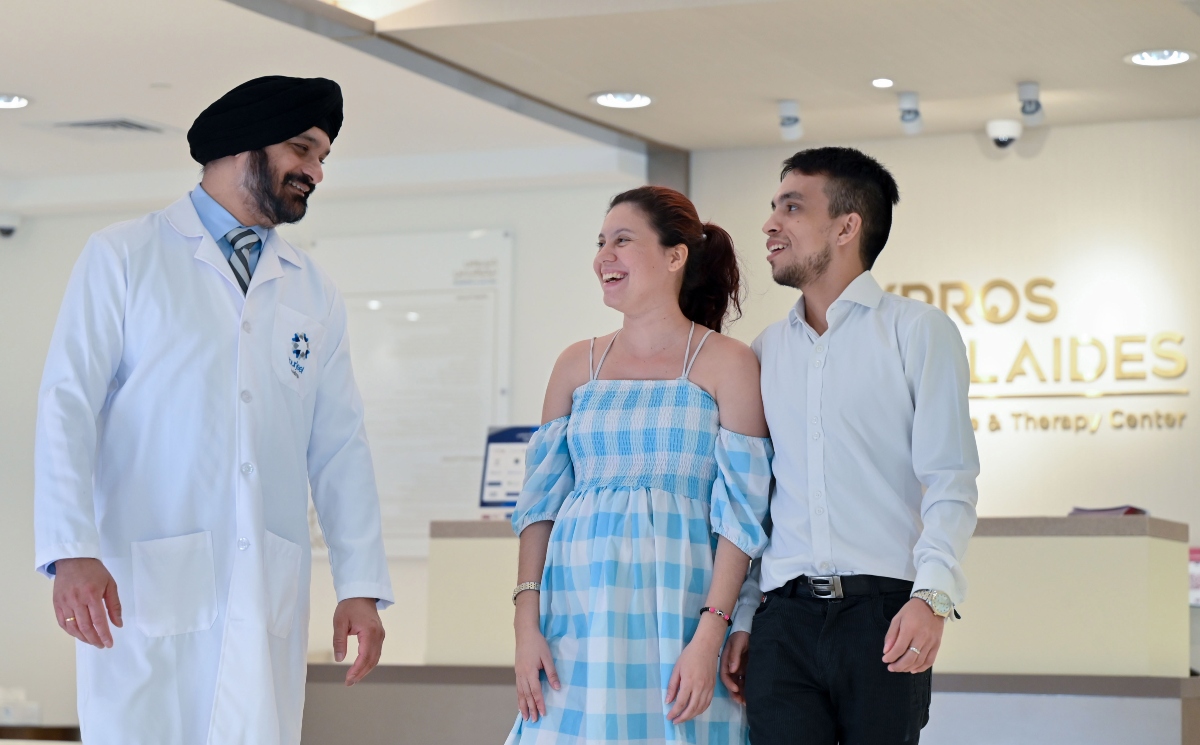
“When I found out my baby had spina bifida, I felt really sad,” Rodriguez said. “I am a nurse and I’ve seen moms with babies with disabilities and never thought this could be a possibility for me.”
In Colombia, couples expecting babies with spina bifida have only two options: wait for the child to be born and then operate, or terminate the pregnancy.
“As time went by and no real solution came about, by miracle we heard about a center in Abu Dhabi which was able to perform the surgery immediately and at no cost to us,” Rodriguez said.
“We decided to resign from our jobs, leave our families and home and travel all the way here for our baby.”
It was not an easy decision to make, but Rodriguez said her family gave her their full support.
“My family was really sad, but on the other hand they were really happy that we were given this opportunity and a ray of hope for our baby. In Colombia, there was no solution.
“I was diagnosed during the 20th week and it could have been spotted since the 11th week, so I suspect if I stayed in Colombia, no action would have been taken and the baby would have disabilities and complications,” she said.
According to Singh, between two and four babies per 10,000 are diagnosed with the condition and the numbers are rising. While there is no clear reason for the increase, the doctor thinks it is down to more diagnoses, especially in the GCC region.
“Medical facilities are increasing so the statistics are increasing, because more people are being aware of the condition and getting the diagnosis they need,” he said.
Prenatal surgery was not without risk, however, to the baby and the mother, Singh said.
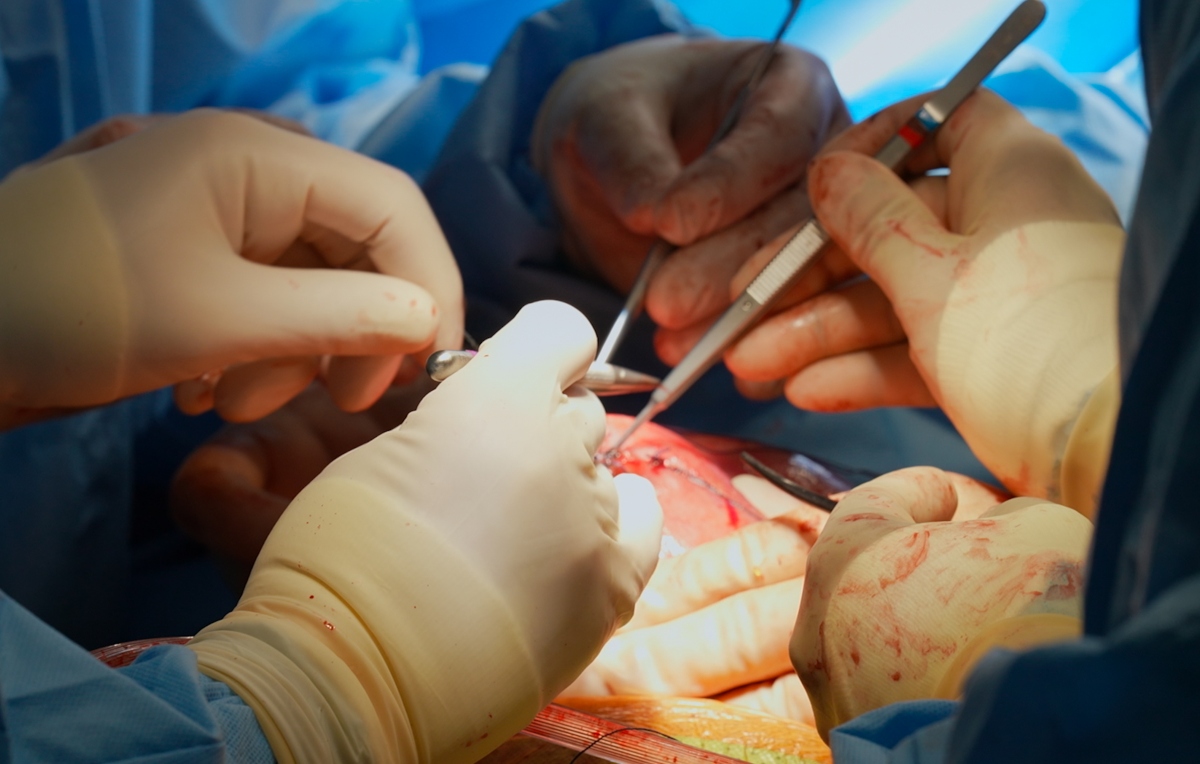
“Since this operation requires a cut to be taken from the womb, the biggest risk is scar rupture. Because this is a scar on the upper part of the womb, if she were to go into labor, there is a higher chance that the scar will give way. If the scar gives way in the pregnancy, it’s not only dangerous for the mother, but the baby will die or will be born with severe brain damage,” he said.
But Rodriguez was not thinking about the risk to herself before undergoing the surgery, which took place just two days after she arrived in Abu Dhabi.
“I wanted everything to go okay for the baby,” she said. “My preparation was more mental and spiritual. The center helped with visa arrangements, the flight tickets and the cost of the surgery was covered as well. Everything from food to accommodation has been provided. Otherwise there was no way we could afford it.”
A team of 10 people, including four surgeons, were involved in the procedure. While Singh is an expert in maternal–fetal medicine, the repair to the baby’s spine was carried out by a neurosurgeon.
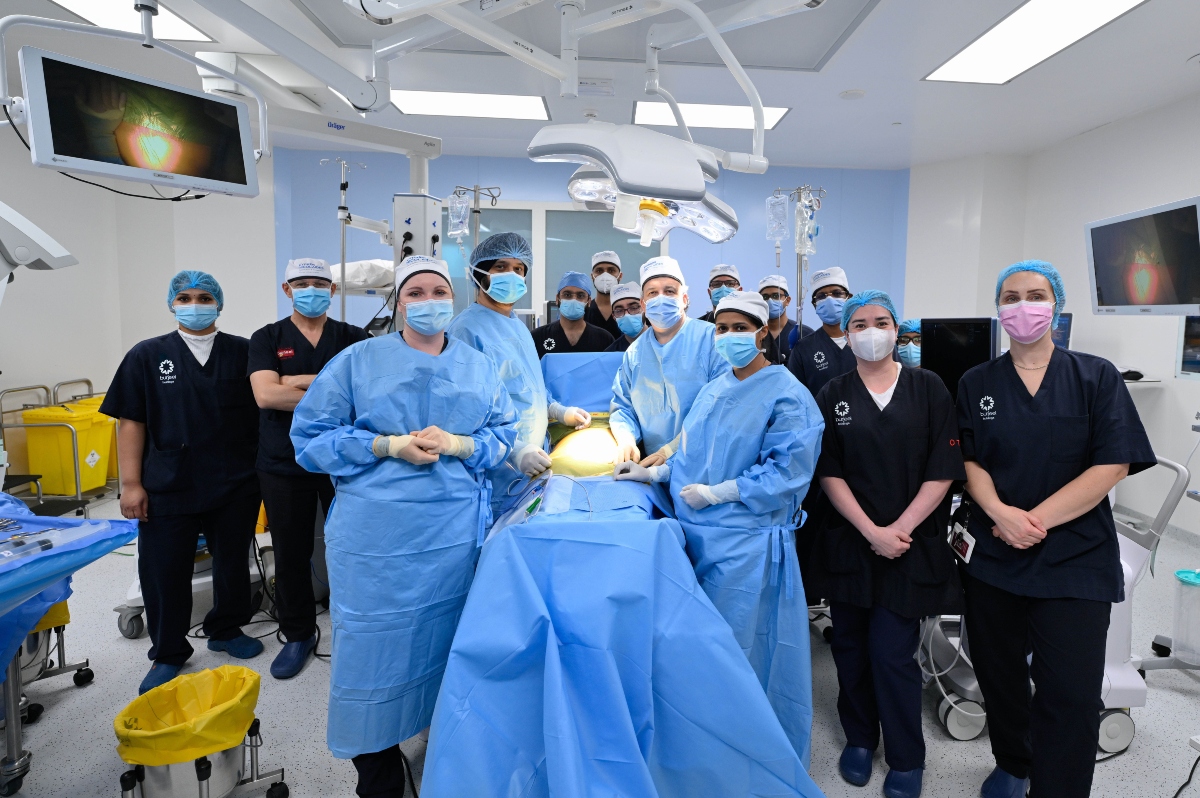
Singh said there were many hospitals in East Asia, Africa, North America and Europe that could perform the procedure but Burjeel Medical City was a center for the Gulf region.
“There is a vast geographical area where this procedure is not done. Our center now provides solutions for parents who are seeking help in the region,” he said.
“We promise to make our results available to every prospective parent who comes here, because that’s the best way of giving confidence to prospective parents. And in medicine, there is nothing to hide. The outcomes have to be open and transparent for people to trust you.”
Rodriguez is expected to have her baby in Abu Dhabi in August. She does not know how long she and her husband will stay in the country but said they would remain as long as it took to ensure her baby was healthy and safe.


