


JUBA, South Sudan: Sudan’s rich cultural heritage is at risk of irreparable damage from the conflict raging for more than a month now as museums lack adequate protection from looters and vandalism.
The clashes have caused widespread suffering and misery, destroyed infrastructure and property, and sparked a humanitarian emergency. However, the two feuding factions, the Sudanese Armed Forces (SAF) and the paramilitary Rapid Support Forces (RSF), continue to ignore international calls for dialogue.
In the latest troubling development, RSF fighters seized control of the Sudan National Museum in the capital, Khartoum, on Friday. Although they assured that no harm had been done and steps had been taken to protect the artifacts, including ancient mummies, there is no way to verify those claims.
The museum houses a diverse collection of statues, pottery, ancient murals, and artifacts dating from the Stone Age as well as the Christian and Islamic periods.
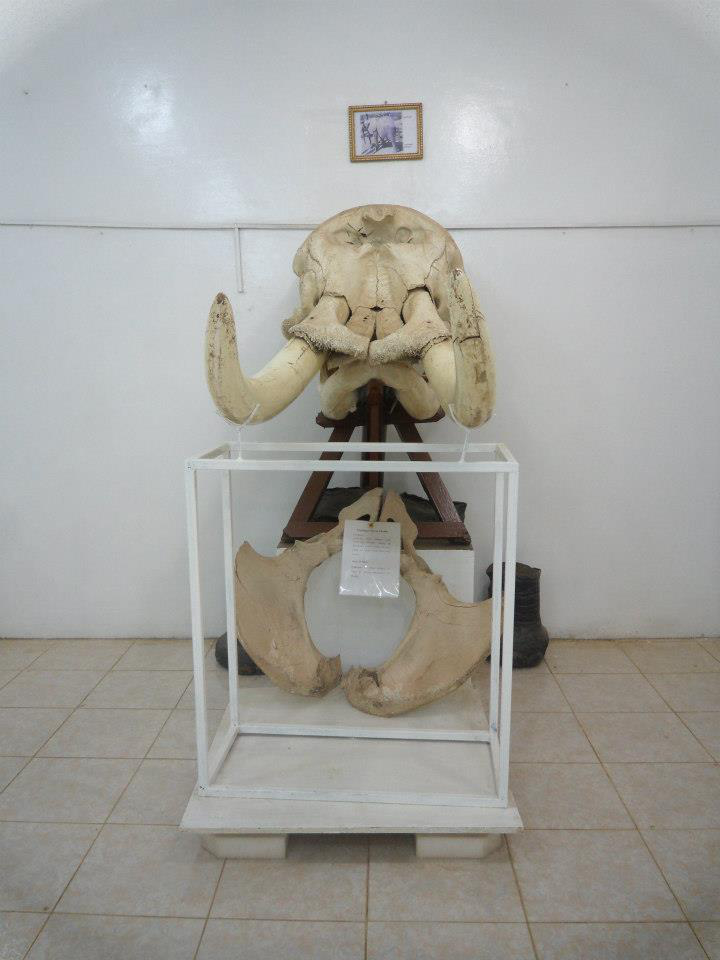
An elephant skull displayed at Sudan National History Museum. (Supplied)
The conflict initially erupted in Khartoum but quickly spread to other states and cities, causing significant casualties. Multiple ceasefire deals have been announced and quickly broken. Nearly one million people have been displaced.
As diplomats scramble to bring the warring parties back to the negotiating table and aid agencies deploy assistance to help those in need, Sudan’s heritage sites and ancient collections have little protection from theft and destruction.
“The Sudan National Museum has become a battleground,” Khalid Albaih, a Sudanese political cartoonist and civil rights activist, told Arab News.

Smoke billows in southern Khartoum on May 29, 2023, amid ongoing fighting between two rival generals in Sudan. (AFP)
The location of the museum — in close proximity to the SAF’s Khartoum headquarters — made it at once vulnerable to accidental damage and difficult for officials to guard its collections.
“This further exacerbated the danger, as anyone found near the premises risked immediate harm, as tragically witnessed when a university student was fatally shot,” said Albaih.
Established in 1971, the museum is the largest in Sudan, housing an extensive collection of Nubian artifacts spanning thousands of years. It offers a comprehensive account of Sudan’s captivating history from the Paleolithic to the Neolithic, Kerma culture, and medieval Makuria.
Besides the national museum, the Presidential Palace Museum, chronicling Sudan’s modern history, the Ethnographic Museum, established in 1956 to celebrate the nation’s ethnic diversity, and the Sudan Natural History Museum are also at risk.
Sara A. K. Saeed, director of the Natural History Museum, recently drew the world’s attention via Twitter to the fact that Sudan’s “museums are now without guards to protect them from looting and vandalism.”
She raised particular concern about the welfare of the live animals held within the museum’s collections, which include several species of reptiles, birds, mammals, snakes and scorpions for research purposes, and which now face neglect and starvation.
The entry of SAF fighters into the Sudan National Museum happened just days after a building in Omdurman, northwest of Khartoum, housing archives that included priceless documents chronicling Sudan’s colonial past, was ravaged by fire and looters.
Home to some 200 pyramids — almost twice the number in Egypt — and the legendary Kingdom of Kush, Sudan is one of the world’s most precious reservoirs of human culture and civilization.
Without pressure from the international community on the warring parties to guarantee the preservation of historical artifacts, experts fear the unchecked conflict could erase 6,000 years of Sudanese history, in echoes of the destruction visited upon Syria over the past decade.
The civil war and concurrent Daesh insurgency devastated ancient heritage sites across Syria, including the monumental ruins of Palmyra and much of the historic center of Aleppo. Many objects looted by militants found their way onto the black market.

A file photo taken on March 31, 2016, shows a photographer holding his picture of the Temple of Bel taken on March 14, 2014 in front of the remains of the historic temple after it was destroyed by Daesh group in September 2015 in the ancient Syrian city of Palmyra. (AFP)
Christopher A. Marinello, a renowned lawyer known for his tireless work recovering looted artworks, told Arab News that “looters will dig up objects to sell quickly for survival, often at a fraction of their true value.
“These objects find their way to countries such as Libya and Turkiye before reaching the West,” he said, adding that this illicit trade could exacerbate security problems, as the proceeds from such sales could end up funding international terrorism.
International agencies have several mechanisms in place designed to prevent the destruction of heritage in wartime.
“Prior to any conflict, it is crucial to conduct documentation and cataloging of cultural sites, ensuring that proper records are maintained,” Bastien Varoutsikos, director of strategic development at the Aliph Foundation, a network dedicated to protecting cultural heritage in conflict areas, told Arab News.
The Aliph Foundation has been actively involved in various projects in Sudan since 2020, protecting, among others, the UNESCO World Heritage site of Meroe against the threat of Nile flooding and human activities.
FASTFACTS
- Museums in Sudan are at risk of irreparable harm, officials warn.
- Archives in Omdurman have already been ravaged by fire and looting.
- Experts say collective memory, identity and history must be safeguarded.
Meanwhile, the Western Sudan Community Museums project, funded by Aliph, focuses on community engagement and the establishment of museums celebrating the region’s unique heritage.
The agency has also implemented capacity-building programs across Sudan to provide professional training in heritage protection, including the utilization of digital preservation methods to help safeguard sites.
Anwar Sabik, field projects manager at the International Centre for the Study of the Preservation and Restoration of Cultural Property, emphasized the need “to keep experienced professionals working on cultural heritage close to these invaluable treasures, not only to prevent material damage but also to preserve Sudan’s knowledge and expertise.”
Since 2018, the agency has gone beyond the traditional role of museums by providing a community dimension.
“The aim has been to transform museums into vibrant hubs where people can gather, celebrate their intangible cultural heritage, and foster a sense of community,” Sabik told Arab News.
Now, with the violence in Sudan showing no sign of abating, all of this work could now be at risk.
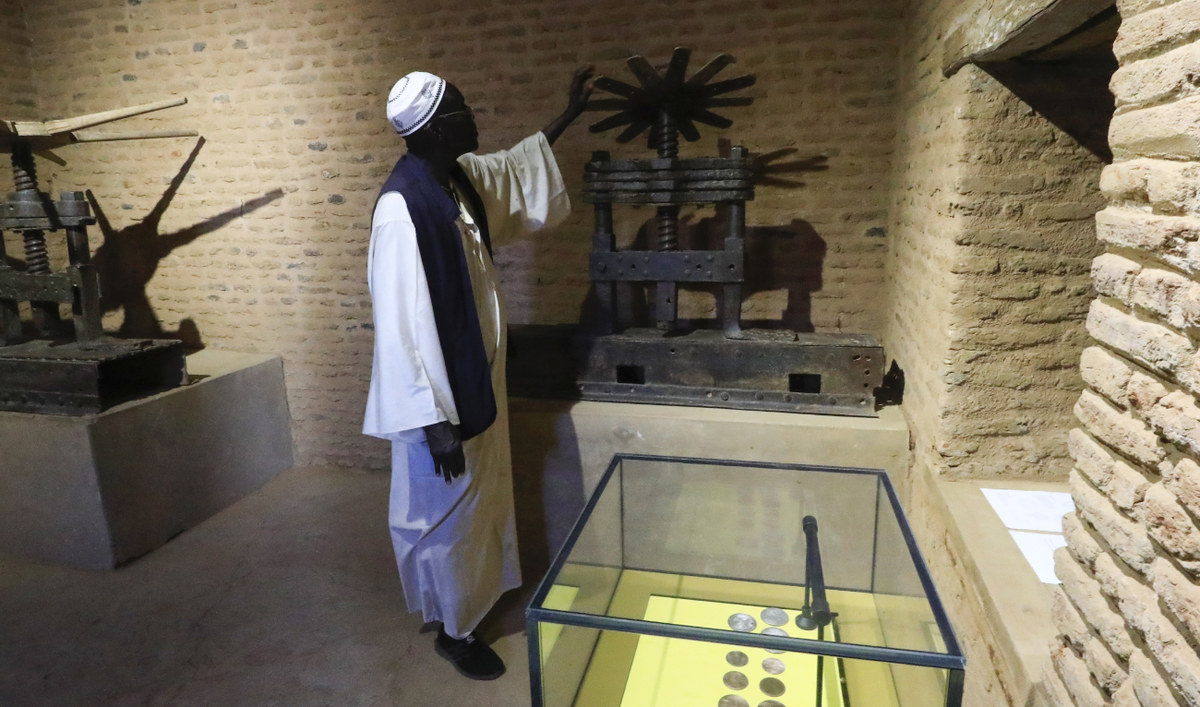
A man visits the Khalifa House ethnographic museum in Omdurman, the twin city of Sudan’s capital, on January 18, 2022. (AFP)
Without proper protection and preservation, the conflict threatens to erase not only tangible artifacts but also the intangible fabric of Sudanese society. Traditional practices, customs, and oral histories that have been passed down through generations could disappear forever.
“The disappearance of these invaluable resources would inflict an irreparable loss upon Sudan and the world,” said Sabik. “Perhaps, Sudan has already lost a part of it as a result of the mass displacement.”
According to Varoutsikos, although reports of unprotected museums and archaeological sites have surfaced, documented instances of actual looting remain, mercifully, limited.
“In times of conflict, it is challenging to confirm looting occurrences without concrete evidence,” he told Arab News.
To combat the illicit market for cultural goods, Varoutsikos says, governments must implement stringent measures that make it difficult for these illegally acquired items to find a market.
“Decision-makers in each country play a crucial role in enacting and enforcing such measures,” he said. Heightened vigilance among customs and law-enforcement agencies worldwide is one such measure.
However, “determining the demand on the black market, particularly in the Middle East, is challenging due to the abundance of valuable items that attract interest,” Varoutsikos said.
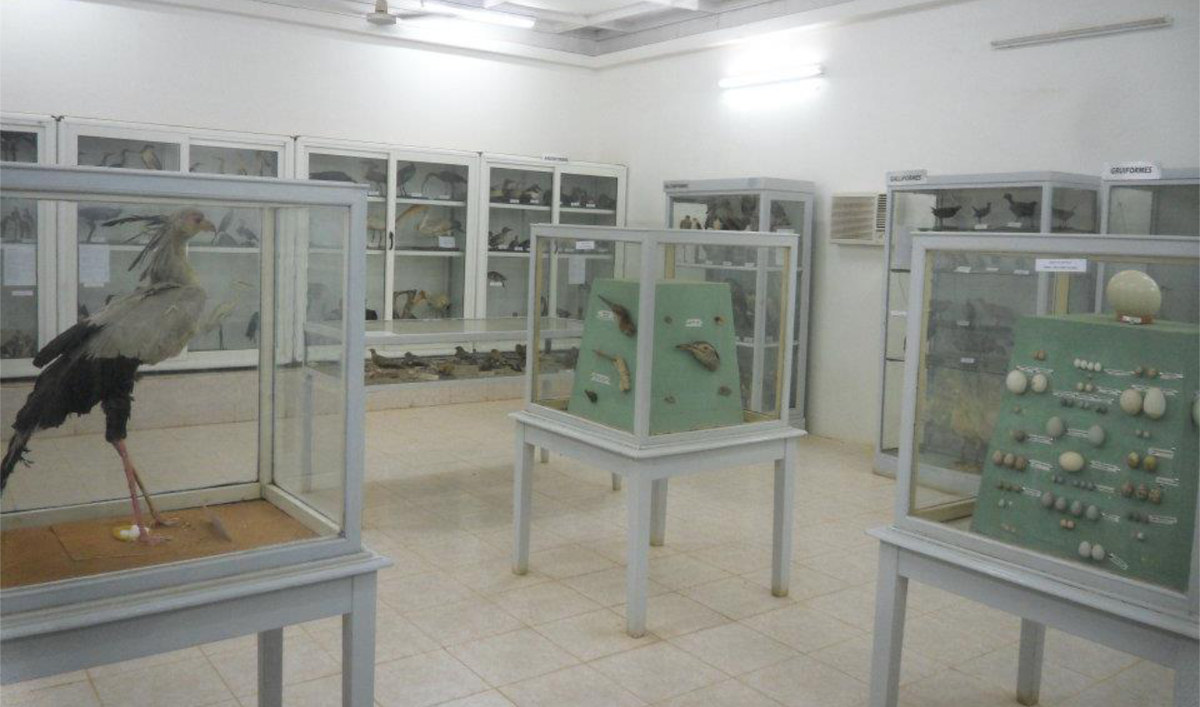
Sudan National History Museum. (Supplied)
Matters are complicated further, as looted artifacts are often stored for extended periods before being sold to avoid attracting attention. Caution is also essential in the market due to the prevalence of fake items, which impacts sellers and buyers alike.
How the warring parties and the international community choose to respond to these calls for action could determine what sort of society emerges when peace finally returns — one that is united by its shared heritage, or one that is torn asunder.
“Sudan’s museums and the invaluable artifacts they house are not just a reflection of the past,” Varoutsikos said. “They have the power to shape the future.”


