- Engro Polymer and Chemicals Limited says Pakistani manufacturers have already bid to supply PVC material to kingdom
- Demand for PVC materials to keep booming for at least two years after first phase of construction in NEOM, says EPCL
KARACHI: Engro Polymer and Chemicals Limited (EPCL), Pakistan’s sole manufacturer of PVC resin material, said on Wednesday it is eyeing supply of the product for construction at Saudi Arabia’s planned smart city NEOM which can help it earn $300 million in exports.
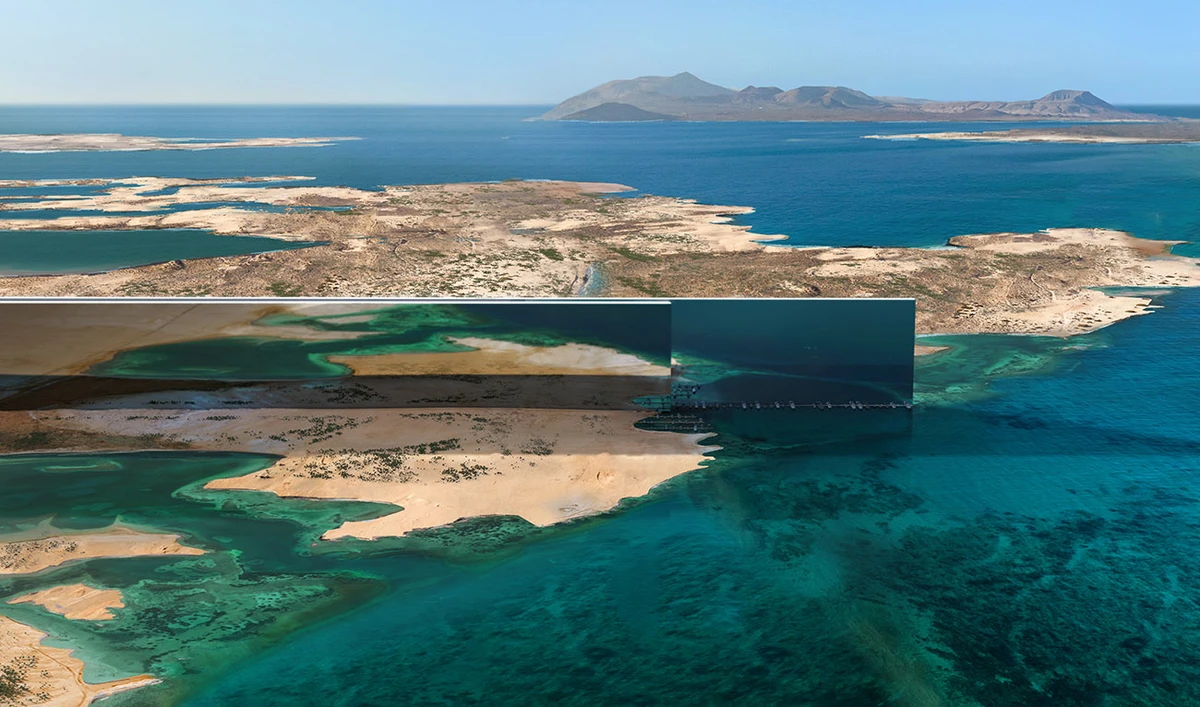
Neom, a $500 billion project, is a key element of the Saudi Vision 2030 plan as part of the kingdom’s mission to diversify away from its oil-dependent economy. The project is estimated to create 380,000 jobs and contribute SAR180 billion to Kingdom’s GDP. Saudi Arabia’s flagship business and tourism development project at the Red Sea coast is expected to see massive construction in the coming months and years.
Polyvinyl chloride (PVC) resin is the raw material used to manufacture various construction materials. These include PVC pipes, Wood Plastic Composite (WPC) windows and furniture, Stone Plastic Composite (SPC) flooring, and cable insulation. PVC is also used to manufacture medical equipment.
“A big opportunity is knocking at the door in the form of Neom,” Muhammad Farhan, general manager downstream business and market development at EPCL, told Arab News. Farhan was speaking at a media briefing at the Bin Qasim industrial zone in Pakistan’s southern port city of Karachi.
“Neom is a $500 billion project that requires massive construction materials including PVC downstream products that are available in Pakistan,” Farhan added.
“In fact, some of the Pakistani manufacturers have already bid for the supply of material to the kingdom.”
Farhan said Pakistani manufacturers of PVC products had received overwhelming response from Saudi participants of the Big 5, a mega construction show held in Dubai in December 2022.
He said Saudis are exploring different options while manufacturers in the kingdom are looking for other manufacturers who can make products for them.
The EPCL official said the demand for the basic construction material, including cables and pipes, will increase in the first phase of construction at Neom and will keep booming for at least two years. Simultaneously, demand for value-added products for construction on the exterior, including SPC and WPC, will increase.
To take greater advantage of Neom’s lucrative opportunities, Farhan said the government can play a vital role by engaging Saudi authorities and the Trade Development Authority of Pakistan (TDAP).
“We saw the interest of the Saudi participants in the value-added products – they want to import but they were also looking for investment in the kingdom for manufacturing and as a nation, we have access capacity and by utilizing that capacity we can avail the opportunity,” he added.
Muhammad Idrees, EPCL’s chief commercial officer, said the country is already exporting PVC resin to Gulf countries UAE. Bahrain, Oman, and Egypt because of the freight advantage.
“Engro has installed capacity of 300,000-ton resin production while the downstream industry has close to a million-ton capacity,” Idrees said.
“The downstream PVC industry can fully utilize its excess capacity and earn $300 million in terms of export revenue by standardizing and improving the quality of finished products.”
He said the $300 million PVC export potential could materialize within the next three to four years by the value-added industry through the export of surplus volumes and products.
Idrees said EPCL is collaborating with TDAP to explore global markets to export value-added PVC downstream products.
“In the last two years, the company exported surplus products worth $48 million to Turkiye and Middle Eastern markets, while import substitution of around $300 million contributed significantly toward solving Pakistan’s balance of payments situation,” he added.
Mahmood Siddiqui, vice president of manufacturing at EPCL, said the company has invested over $188 million since 2015 in plant expansion and other upgrade projects for higher efficiency, reliability, and diversification of operations.
Pakistan’s per capita PVC consumption stands at 1.2 kg versus a global average of 6.1 kg. Per capita consumption growth, EPCL officials said, would be driven by rising per capita income, increasing urbanization, and robust domestic manufacturing in the coming years.
However, they said the company was facing challenges of importing equipment for additional plants as commercial banks refuse to open Letters of Credit (LCs) as Pakistan faces a dollar crunch amid a worsening economic crisis.