



RIYADH: Saudi Arabia and Russia’s bilateral economic ties are set to get a new boost as the Kingdom is hosting the Made in Russia +Innoprom business mission in Riyadh on May 29 and 30.
In an interview with Arab News, Anton Atrashkin, program director of the Innoprom International Trade Show, said that more than 100 Russian companies would be a part of the event to be held in Riyadh.
The delegation will be led by Russia’s Deputy Minister of Industry and Trade Alexei Gruzdev.
Innoprom is the largest Russian industrial exhibition that has been held for the last 14 years in Yekaterinburg.
The event aims to showcase advanced technologies developed in Russia that are ready to be used in the industrial sector.
“All of us are very excited to see the reaction and attitude of the Saudi business community toward what we have to offer. We are really making our very first steps in the blessed land of the KSA. For many Russian delegates, it will be their first trip to the country. I would say that our business mission is opening a new page of bilateral economic relations,” said Atrashkin.
Russian Helicopters, Transmashholding, Rostselmash Agricultural machines, Power Machines, and Kaspersky are some of the key companies participating in the industry event.
Atrashkin also said that Russian agricultural products are getting popular in the Saudi market, and the event seeks to introduce Russian industrial technologies in the Kingdom.
Gruzdev said the Russian-Saudi ties are based on a strong foundation, which will contribute to the development goals of both countries.
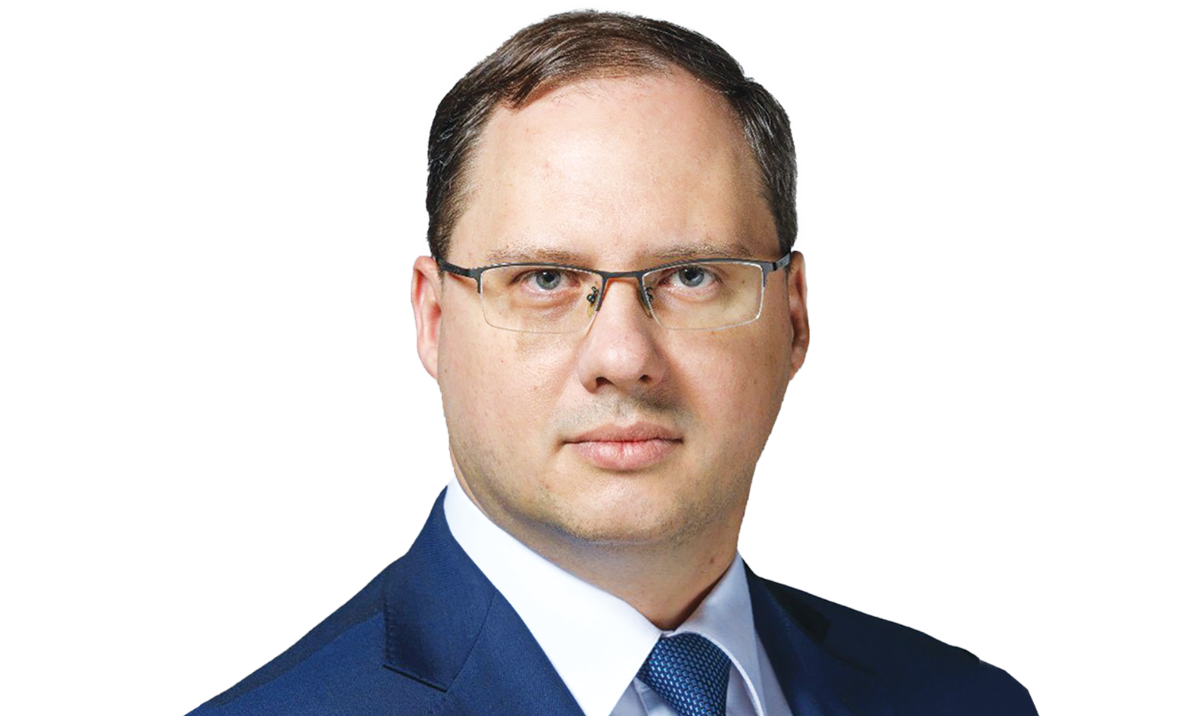
Our business mission to Riyadh aims to strengthen economic ties between Russia and Saudi Arabia.
Alexei Gruzdev, Russia’s deputy minister of industry and trade
“Our business mission to Riyadh aims to strengthen economic ties between Russia and Saudi Arabia, discover new business opportunities, exchange ideas, and establish long-term partnerships,” said the deputy trade minister.
He added: “We are particularly grateful to the Riyadh Chamber of Commerce for hosting us as well as to our Saudi partners from the Ministry of Industry and Mineral Resources and Ministry of Investment.”
Atrashkin said that the infrastructure development currently underway in Saudi Arabia, including the giga-project NEOM, presents an opportunity for Russian companies to showcase their potential to become part of the success story of the Kingdom.
“The whole world sees this project (NEOM) as the highest point of mankind’s ambitions. Many companies from Europe, the US, and Asia want to get a stake in this No. 1 project of the 21st century. Russian companies definitely have many competitive technologies in unmanned systems, construction, engineering, and software products,” added Atrashkin.
He said that some business leaders visiting Saudi Arabia as part of this event are “prepared to discuss deep localization, being aware of the opportunities (available in) 36 industrial cities managed by the Saudi Authority for Industrial Cities and Technology Zones.”
The Saudi Authority for Industrial Cities and Technology Zones, also known as MODON, has been undertaking the development and supervision of industrial lands and integrated infrastructure in Saudi Arabia, and it oversees 36 existing and under-development industrial cities across the Kingdom, in addition to private industrial facilities.
According to Atrashkin, some areas where Saudi businesses can use Russian technologies include IT, engineering technologies for construction industries, unmanned systems for industrial and agricultural projects, and cybersecurity, to name a few.
During the interview, Atrashkin also lauded the reformatory measures introduced by the Saudi government, which now allows foreign investors to operate in the Kingdom. He further noted that Russian-Arab relations have always been cordial and deep.

I would say that our business mission is opening a new page of bilateral economic relations.
Anton Atrashkin, Program director, Innoprom International Trade Show
“When I witness the negotiations between the Russian and Arabic businessmen, I always note very warm attitudes toward each other. A genuine deep respect for your partner is a common feature of our business culture. It works well and helps to avoid many mistakes,” said Atrashkin.
He further said: “I would also mention great support from the Saudi government to make the economy open — not only to the Russians but to all the partners of the KSA. The ambition of the Saudi government is to have the best infrastructure in the world. This means millions of opportunities for the manufacturers.”
A recent press statement from Innoprom said that Saudi Arabia is currently witnessing a real industrial revolution, offering tremendous opportunities for foreign investors.
“Many experts call the Kingdom of Saudi Arabia one of the most promising partners. Today, a real industrial revolution is taking place in Saudi Arabia; dozens of industrial cities are springing up with special regimes for foreign investors. The Russian industrial technology developers are looking for ways to get contracts worth multimillion dollars from the Kingdom,” it said in a press statement.


