RIYADH: A tourism destination like no other, Saudi Arabia is enticing travelers to beat the heat this summer and discover the unique and diverse destinations of the Kingdom.
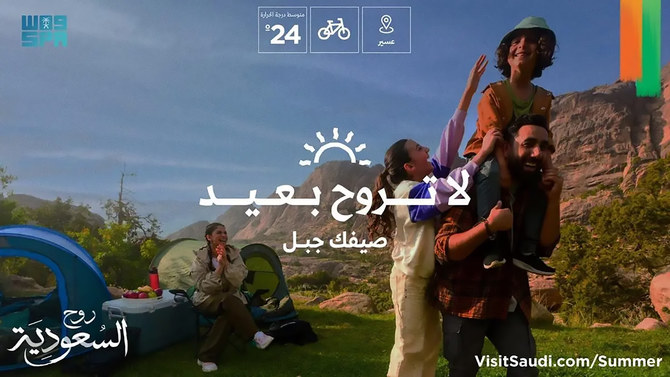
The Saudi Tourism Authority launched its ‘Rethink Summer’ campaign on Thursday urging “Don’t go far ... Visit Saudi.”
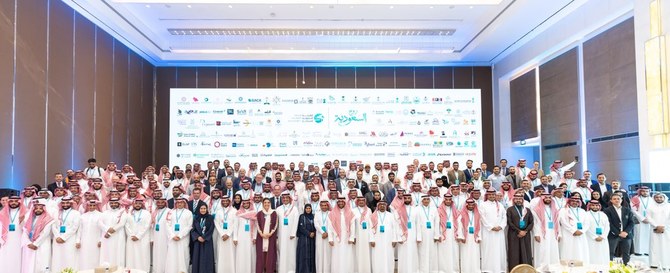
The authority brought together key partners in the government and the private sector at the launch event in Riyadh. It said the campaign is a result of efforts to unify visions, empower the private sector and put the final touches on the readiness of destinations, products, experiences, offers and packages provided.
“Together, we showcased a variety of unique summer vacation destinations for Saudis and friends around the world,” tweeted Minister of Tourism Ahmed bin Aqil Al-Khatib, who is also Chairman of the Board of Directors of the STA.
“Saudi Arabia is the fastest-growing destination worldwide today, with a proven capacity to host visitors from the world over, throughout the year. Building on this, we are pleased to launch the ‘Rethink Summer’ campaign to share the beautiful diversity of Saudi with the world, from the cool, green highlands, to the coasts of the Red Sea and Arabian Gulf.
“Entertainment events will be special and for everyone. Our partners in the private sector are instrumental in this campaign, offering over 1.8 million additional seats for inbound flights, more than 15,000 new hotel rooms, and over 100 products tailored to meet the taste of all our visitors. This is the largest contribution of the private sector yet.”
Saudi Arabia has shot up 16 places to 13 on the latest UN World Tourism Organization’s ranking.
According to the World Tourism Barometer, the Kingdom welcomed 16.6 million tourists in 2022 compared to 3.5 million in 2021, endorsing the government’s push to become a major tourism hub in the region.
The Kingdom also jumped 16 ranks in the International Tourism Revenue Index, reaching 11th place globally in 2022, up from 27th in 2019.
The Saudi Vision 2030 aims for 100 million visitors by the end of this decade.
According to the Saudi Press Agency, the Kingdom received 7.8 million international tourists in the first quarter of 2023, the highest ever recorded.
The Kingdom is witnessing a great tourism development, and set to hit significant milestones this year, from the opening of the first three resorts at The Red Sea, the world’s most ambitious, regenerative, luxury tourism development project, to Sindalah Island, NEOM’s incomparable island destination. Diriyah, the 300-year-old mud city and birthplace of modern Saudi Arabia, also recently celebrated the welcoming of one million visitors since its opening last November.
Earlier this month, Saudi Arabia welcomed global football icon Lionel Messi to the Kingdom for a two-day family vacation in the capital city Riyadh.
Those interested in more information about Saudi destinations, products, and packages can access via Visit Saudi website https://www.visitsaudi.com/ar.


![]()
![]()

Travelers urged to ‘Rethink Summer’ in Saudi tourism campaign
Short Url
https://arab.news/yczdf
Travelers urged to ‘Rethink Summer’ in Saudi tourism campaign
- ‘Don’t go far ... Visit Saudi’
- Saudi Arabia has shot up 16 places to 13 on the latest UN World Tourism Organization’s ranking


Latest updates


© 2026 SAUDI RESEARCH & PUBLISHING COMPANY, All Rights Reserved And subject to Terms of Use Agreement.