

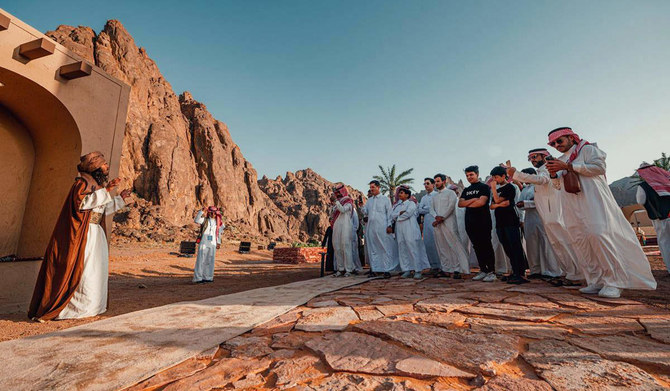

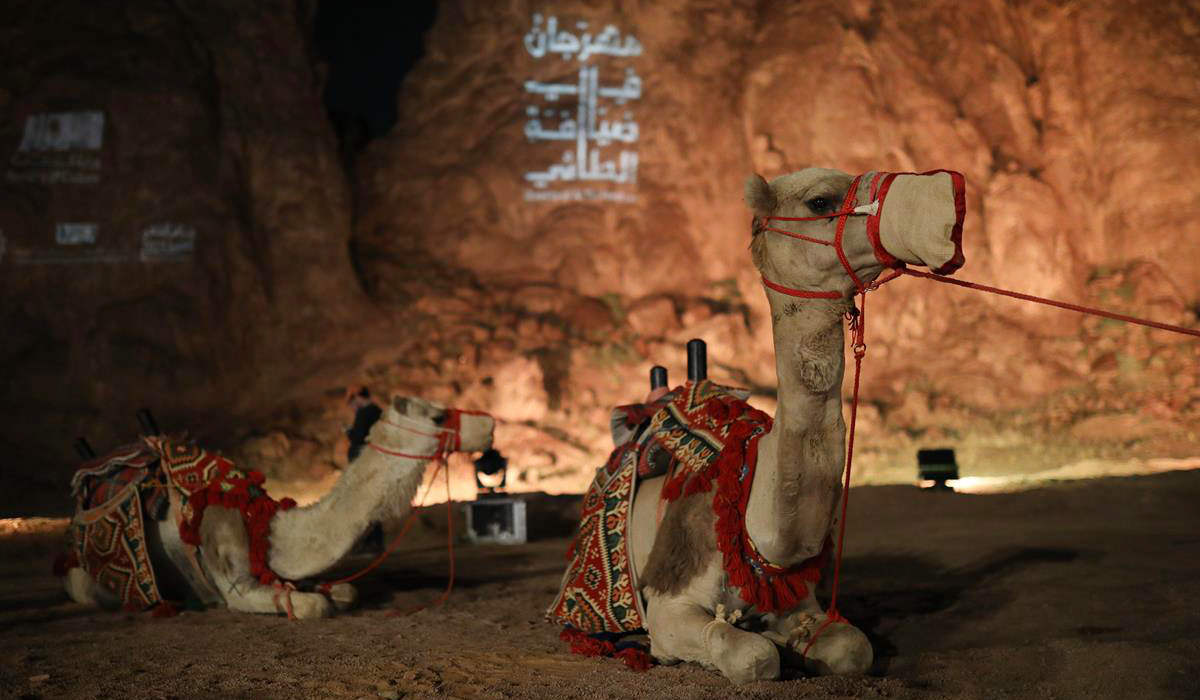
RIYADH: The Hospitality of Al-Ta’i festival, which was held in Hail from May 5-13, has come to a close.
The festival, part of the Year of Arabic Poetry initiative with the support of the Quality of Life Program, introduced visitors to the poet Hatim Al-Ta’i, who lived in the pre-Islamic period in Hail province.
A renowned historical figure, famed for his poetic works, generosity and horsemanship, the remains of his palace, tomb, and his famous fireplace in the village of Tuwairan in Hail remain for people to see to this day.
Hatim Al-Ta’i’s palace, tomb, and his famous fireplace in the village of Tuwairan remain for people to see to this day. (SPA)
The festival included a package of cultural activities and events that embodied the life of the poet and his work, reflecting the culture of the region during his lifetime.
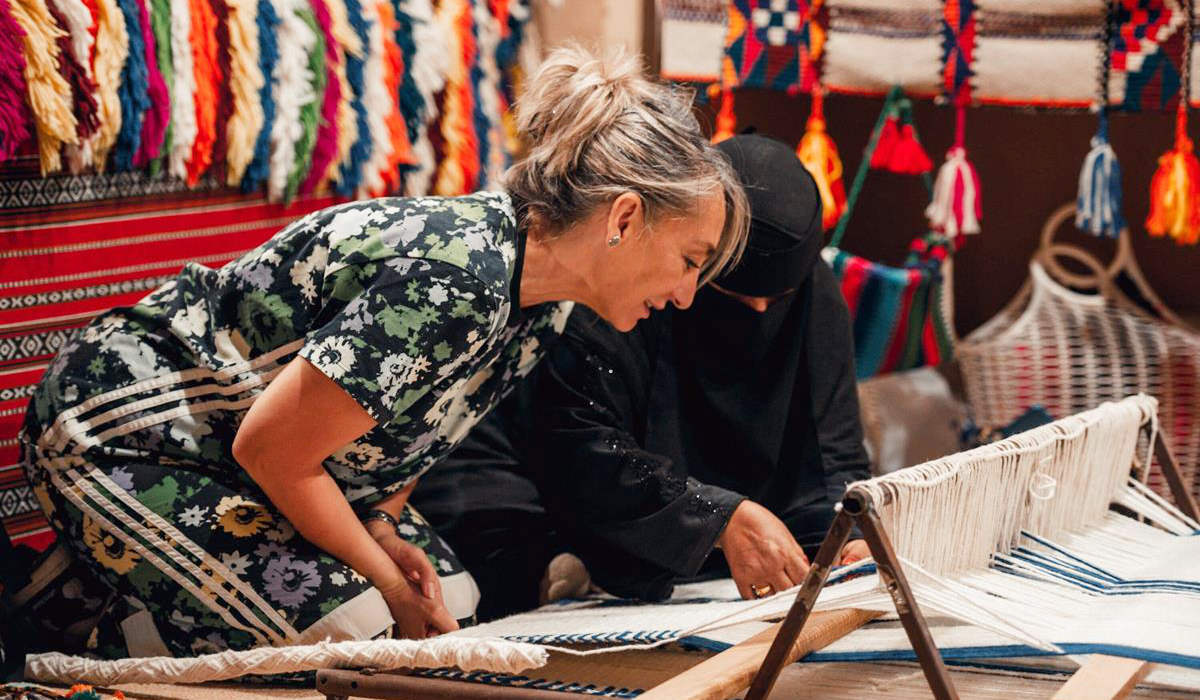
Visitors were offered a creative journey that started with the children’s Utba area, which included coloring, pottery making, weaving, and bracelet making.
After that, visitors moved on to the performance Awarid area, which represented important stages of the history of Al-Ta’i starting from his childhood, through his youth, and into middle and old age, exploring the wisdom and advice he accrued along the way.
Hatim Al-Ta’i’s palace, tomb, and his famous fireplace in the village of Tuwairan remain for people to see to this day. (SPA)
A visual presentation about the life of Al-Ta’i, titled “About the Poet of Ta’i,” was presented, shedding light on the symbols of Arab poetry, and passing through the stages of the poet’s flourishing life, in which he became a witness to the authenticity, morals, and values of the Arab people, and a model for others to follow.
The About the Life of Al-Ta’i area presented a lively model of the poet’s social life, represented by an “interactive exhibition” that took visitors back to the 6th century A.D. and gave them the chance to discover the world at that time through virtual reality technology.
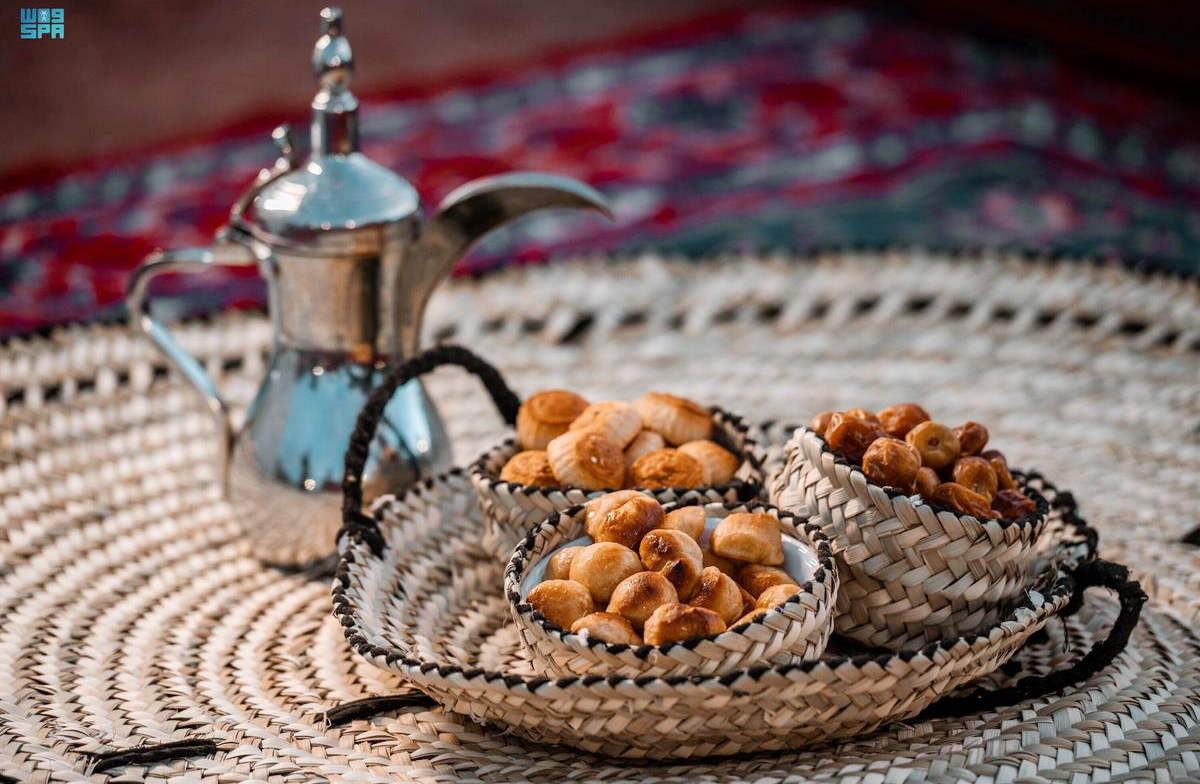
In the Cooking area, the Ministry of Culture presented live cooking demonstrations and hospitality that emulated Al-Ta’i’s generosity, and provided a glimpse into his family life and stories.
Hatim Al-Ta’i’s palace, tomb, and his famous fireplace in the village of Tuwairan remain for people to see to this day. (SPA)
In the Diwan Hatim area, literary figures and poets took to the stage to chronicle the life of Al-Ta’i through their own poems and readings of his biography, evoking his history through unexplored aspects of his works.
The festival was part of the the Ministry of Culture’s plans to celebrate the icons of Arab poetry, such as Al-Ta’i, Antara ibn Shaddad, Labid ibn Rabiah, Zuheir ibn Abi Salma, Imru’ Al-Qais, and Al-A’sha.
This stems from the belief in the importance of poetry and poets in the cultural history of the Kingdom, and the revival of its rich cultural heritage, presenting it in contemporary creative forms through the use of modern technology and exceptional talents. This way, the ministry seeks to enhance national identity and transform the Kingdom’s culture into a way of life.


