Electric car sales to grow 35% to hit 14m in 2023 amid sustainability push: IEA

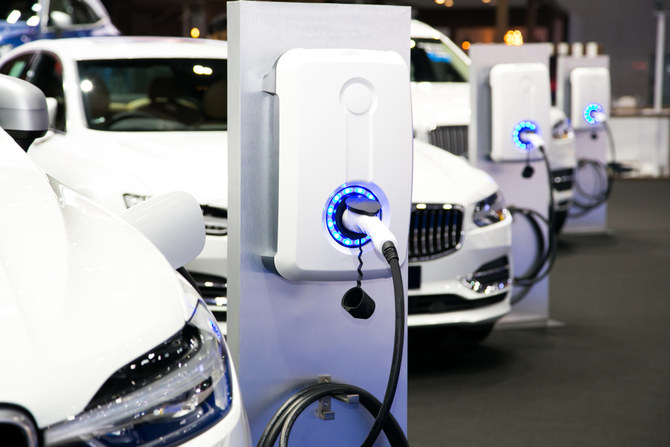
The share of electric cars in the overall car market has risen from around 4 percent in 2020 to 14 percent in 2022. (Shutterstock)
Short Url
Updated 27 April 2023
Follow

Electric car sales to grow 35% to hit 14m in 2023 amid sustainability push: IEA

RIYADH: The sale of electric cars is expected to increase by 35 percent in 2023 to hit 14 million, up from the 10 million sold in 2022, as the world continues its drive toward a sustainable future, according to a report released by the International Energy Agency.   

In its Global EV Outlook 2023 report, the IEA noted the share of electric cars in the overall market has risen from around 4 percent in 2020 to 14 percent in 2022 and is set to increase to 18 percent this year.   

The IEA further noted this rapid electrification of transport vehicles will eliminate the need for 5 million barrels of oil per day by the end of the decade.  

“Electric vehicles are one of the driving forces in the new global energy economy that is rapidly emerging — and they are bringing about a historic transformation of the car manufacturing industry worldwide,” said IEA Executive Director Fatih Birol.   

He added: “Cars are just the first wave: electric buses and trucks will follow soon.”  

According to the IEA, the majority of electric car sales to date are mainly concentrated in three markets: China, Europe and the US.  

The IEA further noted that China accounted for 60 percent of global electric car sales in 2022.  

Europe and the US, the second- and third- largest markets, also saw strong growth with sales increasing by 15 percent and 55 percent respectively in 2022.  

Apart from the US, Europe and China, electric car sales in countries such as India and Indonesia tripled in 2022, while the sales figure doubled in Thailand.   

The IEA added that in emerging and developing economies, two- or three-wheeler vehicles outnumber cars. The report pointed out that over half of India’s three-wheeler registrations in 2022 were electric.   

“In many developing economies, two- or three-wheelers offer an affordable way to get access to mobility, meaning their electrification is important to support sustainable development,” the report added. 


S&P affirms UAE sovereign credit ratings at AA/A-1+ amid regional tensions

Updated 8 sec ago
Follow

S&P affirms UAE sovereign credit ratings at AA/A-1+ amid regional tensions

JEDDAH: The UAE’s sovereign credit ratings have been affirmed at AA/A-1+ with a stable outlook, as S&P Global Ratings highlighted the country’s strong fiscal buffers, diversified economy, and policy flexibility in the face of escalating regional conflict.

The agency cited the UAE’s consolidated net assets, estimated at 184 percent of gross domestic product in 2026, and its low general government debt of around 27 percent of GDP, as key buffers against economic shocks.

Sovereign credit ratings play a key role in determining a country’s borrowing costs and investor demand for its debt. A high rating signals strong fiscal health and policy stability, helping governments attract foreign investment and access global capital markets at favorable terms.

S&P noted that “our baseline forecasts carry a significant amount of uncertainty” amid heightened tensions involving Iran, Israel, and the US, including potential threats to key infrastructure.

The report added: “We also believe the authorities will deploy their substantial policy flexibility to counteract the effects of volatility stemming from geopolitical tensions in the Gulf region on economic growth, government revenue, and its external accounts.

“We believe this flexibility will enable the UAE to withstand periods of low oil prices and, more importantly, the temporary disruption of oil production and export routes.”

The UAE is facing a tense geopolitical environment amid escalating Iran-Israel-US conflicts. Threats around the Strait of Hormuz have nearly stopped vessel traffic, fueling oil market volatility and investor concern.

The ratings agency also emphasized the UAE’s diversified economic base, with non-oil sectors accounting for roughly 75 percent of GDP, as a stabilizing factor.

Strategic infrastructure, including the Abu Dhabi Crude Oil Pipeline to Fujairah, enables the country to bypass the Strait of Hormuz and safeguard oil exports, while ADNOC’s overseas storage investments further mitigate risk.

Despite the risks, S&P expects sectors such as financial services, trade, and tourism to remain resilient. It forecasts that UAE growth will moderate to 2.2 percent in 2026, down from 5 percent in 2025, reflecting potential impacts from expatriate outflows, reduced tourism revenue, and lower real estate demand.

S&P cautioned, however, that “we now expect weaker economic and external performance due to increased intensity, scope, and potential duration of conflict in the Middle East,” underscoring that prolonged disruption could weigh on fiscal and external accounts.

The affirmation underscores investor confidence in the UAE’s ability to navigate short-term geopolitical challenges while maintaining long-term stability. Analysts said the country’s large liquid asset buffer and effective policy tools will likely contain the credit impact of regional tensions and support continued economic growth.

The UAE has consistently maintained strong and stable sovereign credit ratings, reflecting a resilient and diversified economy, as well as prudent fiscal management.

Despite occasional caution during regional tensions or oil market swings, ratings have remained high, underscoring the country’s policy flexibility, fiscal strength, and appeal to global investors.